
Work and Society
66 articlesLong-form materials pair news analysis with resource guides, add myth checks and explain where misunderstandings arise. Broader coverage can connect access barriers, work life, practical guides and comparison pages.
The coverage avoids turning complex experiences into quick labels. Reviews, timelines, profiles or comparisons appear when they add concrete context.

Why Mixing Up Your Walking Pace Works Better Than Sticking to One Speed
If your daily walk feels too easy and you’re not seeing results, switching between three walking speeds can kickstart your metabolism and heart rate—no running required.

Lack of Deep Sleep Disrupts the Body’s Natural Repair System
New research reveals how missing out on deep sleep throws off the brain’s control of tissue repair and metabolism, raising the risk for weight gain and chronic illness
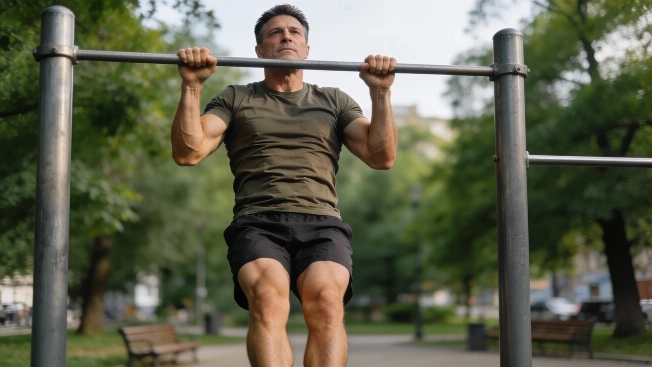
Men Over 50 Face Injury Risks When Chasing Fitness Trends Online
A 54-year-old firefighter’s viral workout videos spark debate about safe strength training for older adults as more men try to reclaim lost muscle and mobility after midlife

Too Many Sets at the Gym? Why More Isn’t Always Better for Muscle Growth
Piling on extra sets in your workout can actually slow muscle gains and recovery. New research and coaching advice point to a clear upper limit for effective training volume.

When Your Dream Job Stops Making Sense: Facing Career Uncertainty
A young woman on the verge of graduating law school realizes her chosen path no longer fits. She’s stuck between financial pressure, guilt, and the fear of making the wrong move after years of following a plan that now feels empty

Cold Morning Baths: What Really Changes When You Try It for 2 Weeks
Trading coffee for a 10°C cold bath each morning, one journalist tested if this extreme ritual could boost alertness, mood, or sleep—while weighing the real risks and science behind the trend

The Etiquette Mistake That Ruins Snack Time With Friends
Serving chips straight from the bag at gatherings can create hygiene issues, awkward moments, and social discomfort—experts say the way you share snacks matters more than you think

Office Job Panic and Career Apathy at 26: What’s Really Going On
A 26-year-old struggles with career direction and feels panic at the thought of office work. A psychologist explains how to spot deeper issues and what steps can help clarify your path

Do You Really Need 10,000 Steps If You Lift Weights 4–6 Times a Week
Many gym-goers feel pressured to hit 10,000 steps daily, even after intense strength training. But new research suggests this target may not be necessary for those already active with regular workouts

Does Walking Every Day Really Keep You Fit Long-Term
Fitness trackers push the 10,000-step goal, but is daily walking enough for heart health, muscle strength, and longevity, or are key elements missing from this routine

Letting Your Gray Hair Show May Reveal a Rare Personality Trait
Choosing to stop coloring gray hair is more than a style decision. Experts say it often signals a rare psychological profile—one that resists social pressure and values authenticity over image

5 Manipulative Phrases That Undermine Your Confidence and Boundaries
If you leave conversations feeling confused, guilty, or emotionally drained, you may be facing subtle manipulation. These common phrases can erode your sense of reality and self-trust

5 Proven Ways Therapists and Coaches Can Attract More Clients Now
Even the best therapists and coaches struggle to fill their schedules if they ignore client outreach. Explore five practical, research-backed strategies to build a steady stream of new clients and grow your practice
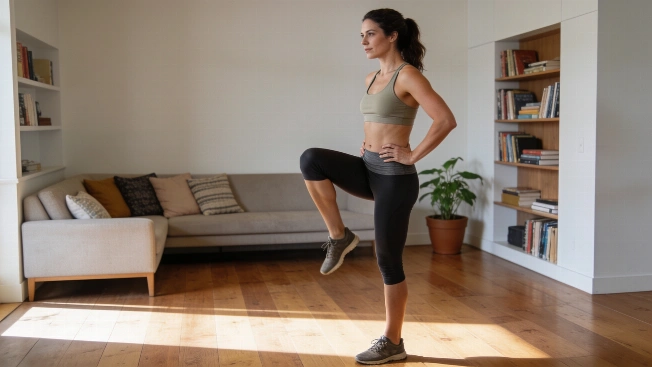
6 Standing Ab Exercises That Strengthen Your Core Without Floor Work
If crunches hurt your back or you hate floor workouts, experts say these six standing ab moves can build core strength, improve posture, and reduce daily strain

Intense Cardio Can Drain Iron and Trigger Hidden Fatigue in Athletes
Heavy endurance training can quietly deplete iron stores, leading to unexplained exhaustion, slow recovery, and stalled progress—especially in women and those with restrictive diets
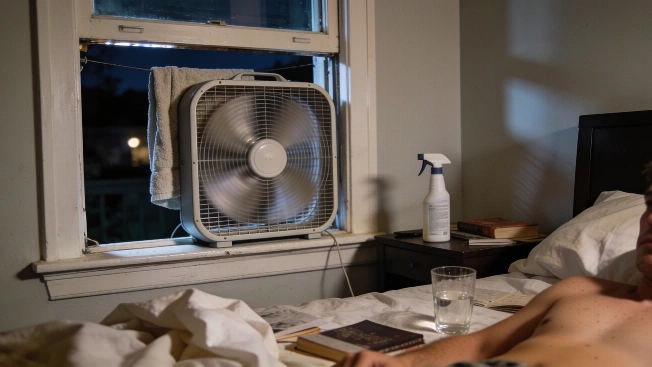
3 Low-Tech Ways to Cool Your Bedroom Without Air Conditioning
Sweltering summer nights can wreck your sleep, but you don’t need AC to get relief. A wellness architect shares three practical, science-backed tricks to lower the temperature in your bedroom and help you rest better tonight
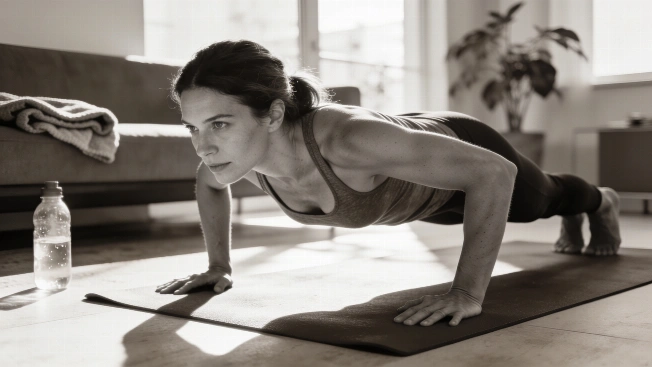
How Long Should You Hold a Plank to Actually See Results
Chasing viral plank challenges can backfire. Experts say just a few focused sets each day can build core strength and protect your back—if you know when to stop and how to progress safely

What Walking With Hands Behind Your Back Reveals About Personality
Body language experts say walking with hands behind the back can signal confidence, introspection, or simply comfort—depending on context and subtle cues others may miss

Struggling to Find Creative Peers: When Support Feels Out of Reach
Many young creators feel isolated when they can't find others who share their passion. The lack of genuine connection can lead to emotional exhaustion and creative burnout

How to Break the Cycle of Toxic Bosses and Job Anxiety
Repeated clashes with managers can leave young professionals stuck in a loop of quitting, self-doubt, and fear of new workplaces. Here’s how to spot red flags and protect your boundaries

Real Friendship Isn’t Transactional—And That’s Why It Matters Most
Many adults confuse networking with real friendship, but research shows that only non-transactional bonds protect against loneliness, burnout, and emotional instability
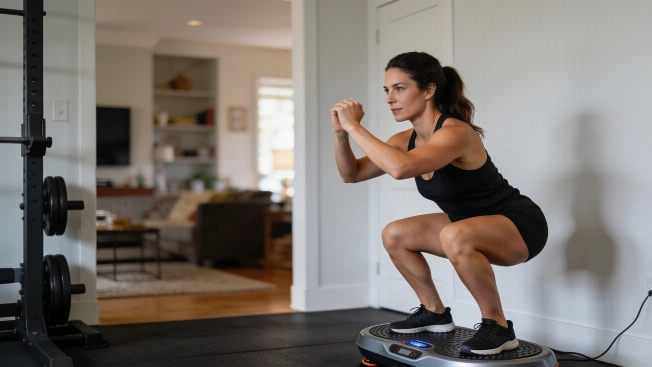
Can Vibration Platforms Really Help You Lose Weight and Build Strength
Vibration platforms are trending on social media, promising quick muscle tone and fat loss with minimal effort. But do these machines actually deliver results, or are the claims just hype

When Every Workplace Feels Hostile: How to Break the Cycle of Bullying
Repeated criticism, exclusion, and subtle aggression at work can leave you feeling isolated and powerless. A psychiatrist explains why these patterns persist and what steps can help disrupt them

5 Mistakes That Stop Therapists From Attracting Clients
Many therapists struggle to build a client base due to avoidable missteps. Learn which common strategies actually hold you back and what to do instead

How Writing Articles Fails or Succeeds for Therapists Seeking Clients
Some therapists give up on writing after seeing no results, while others turn articles into a steady stream of new clients—what separates the two approaches
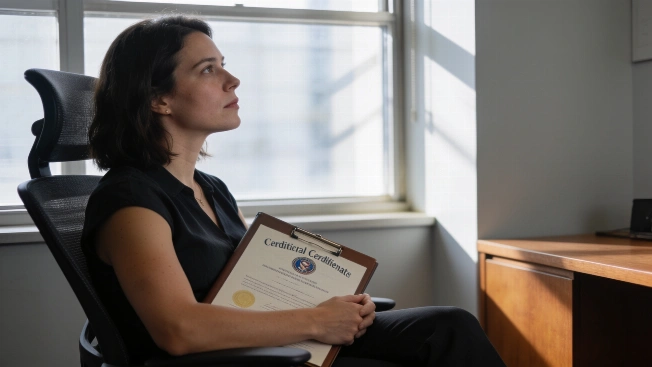
When Therapy Platforms Reject Qualified Psychologists Over Credentials
A clinical psychologist describes being turned away by a major online therapy service due to where he trained, raising questions about bias, credentialing, and the real meaning of quality in mental health care

6 Phrases That Instantly Command Respect Without Raising Your Voice
If you find yourself repeating requests or feeling ignored at work or home, psychology shows that six specific phrases can shift how others treat you—without confrontation or drama
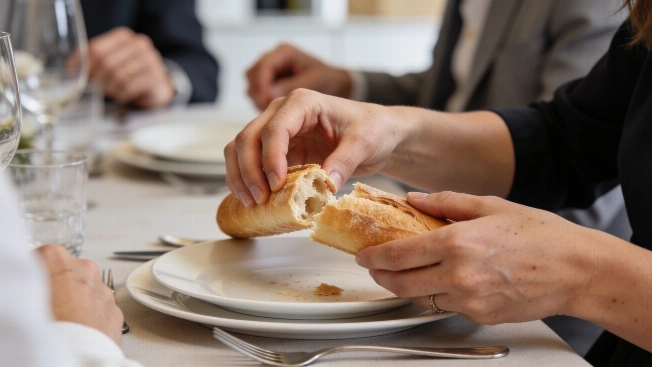
Cutting Bread at the Table: The Etiquette Mistake Most Americans Miss
At formal dinners in France, slicing bread with a knife is seen as rude. The expected gesture is much simpler—and it signals respect for tradition and social codes
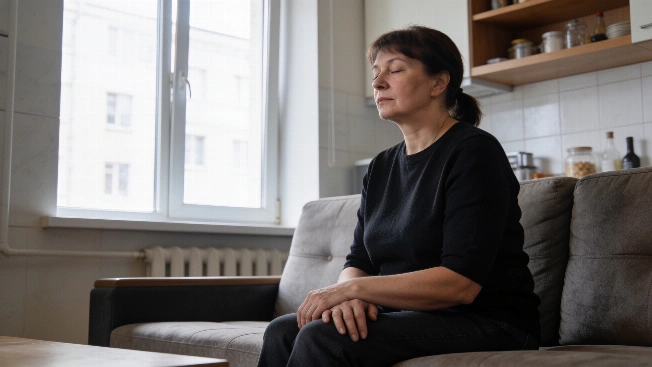
Friendly People Face Less Stress But Only If Kindness Is Real
Research shows that genuine kindness can lower stress, boost immunity, and support long-term health—but faking harmony or always saying yes may backfire and leave you drained

My Partner Won’t Hold a Job and Drinks Too Much
When your boyfriend keeps losing jobs and turns to beer instead of responsibility, frustration and doubt can take over. A clinical psychologist explains what’s really going on and how to respond
Page 1 by 3