A 54-year-old firefighter’s viral workout videos spark debate about safe strength training for older adults as more men try to reclaim lost muscle and mobility after midlife
Instagram is full of men over 50 showing off dramatic fitness transformations, but the reality behind those posts is rarely as simple as it looks. For many who spent years neglecting exercise, trying to catch up quickly can do more harm than good. The story of Damián López, a 54-year-old Spanish firefighter whose callisthenics routines have gone viral, highlights both the appeal and the risks of late-life strength training.
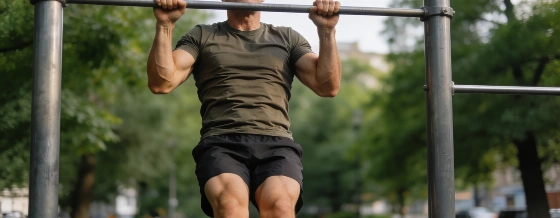
López’s videos show him pulling off moves that would challenge most people half his age: swinging pull-ups, deep dips, and tough core exercises. He says he’s in better shape now than he was at 30, crediting callisthenics—bodyweight exercises done with little equipment—for the change. But what most viewers don’t see is the slow, careful process behind the scenes. López spent eight years building up to these routines, focusing on gradual progress, good form, and plenty of recovery. His main goal isn’t looks. It’s staying fit enough to do his job as a firefighter.
Muscle mass typically peaks around age 30 and then gradually declines, increasing the risk of sarcopenia and falls in older adults.
— 人民日报
For men in their fifties and beyond, the urge to "make up for lost time" can be risky. As we age, joints stiffen, connective tissues lose flexibility, and muscle mass drops. Jumping into intense routines or copying influencer stunts often leads to injury, not progress. According to Men’s Health Spain, López’s real advantage is patience: he started with basic moves, kept workouts short, and put joint health first. He also suggests anyone with chronic pain or illness get medical clearance before starting. This matches current advice for older adults: begin with light resistance and talk to a doctor if you have health concerns, recent surgeries, or ongoing pain, as noted in a recent medical review.
Callisthenics has some clear benefits for older adults. Unlike traditional weightlifting, bodyweight exercises can be adjusted by changing the angle, speed, or support. Moves like push-ups, squats, and planks work several muscle groups at once and help with balance, coordination, and heart health. For beginners over 50, experts recommend starting with wall push-ups, bodyweight squats, and gentle rows using a sturdy table. Two or three sessions a week, with rest days in between, are enough to build tendon strength and avoid overuse injuries. A recent summary suggests 2–3 progressive strength sessions per week are best for older adults, as long as the plan fits their health and abilities.
Social media’s obsession with "ageless" bodies can set up unrealistic expectations. Many men see López’s results and think they can get there in a few months. In reality, steady progress after 50 depends on consistency, not flashy routines. Skipping warm-ups or rushing the process often leads to setbacks. As reported earlier, even harmless-seeming wellness trends can cause problems if people jump in without context or caution.
For those aiming to build strength, current guidelines recommend working sets at no less than 80% of one-repetition maximum (1RM), with a frequency of at least twice per week and 2–3 sets per session. For general health, more moderate intensities of 30–70% 1RM are acceptable.
— Dr Susie Squats Substack
López’s approach is a reminder that the real goal isn’t a six-pack or online fame. It’s being able to move, lift, and live without pain. His careful, injury-averse style is the opposite of the "no pain, no gain" attitude that dominates much of fitness culture. For men over 50, the message is simple: ignore the hype, respect your limits, and focus on building a foundation that lasts. The fitness industry loves quick fixes and dramatic before-and-after shots, but the only transformation that matters is the one that keeps you strong and able for years to come.
Callisthenics, or bodyweight training, has roots in physical therapy and military drills. Unlike gym machines, these exercises require full-body control and awareness, which helps with balance and joint stability. For older adults, callisthenics can slow age-related muscle loss and boost confidence in daily movement. The key is to go slow, listen to your body, and treat each session as a long-term investment in health—not a race for quick results.