

Evelyn Carter
30 articlesEditorial / Psychology & Mental Health Editor
Evelyn Carter is an editorial author at PsyTheater.com covering psychology, mental health, psychotherapy, emotional well-being, stress, sleep, relationships, and everyday behavioral health topics for a U.S. audience.
30 latest articles by Evelyn Carter

How an Inflated Ego Blocks Real Happiness and Fuels Chronic Discontent
Chasing validation and status can leave you restless and unsatisfied. A leading physician explains how an overgrown ego hijacks your mood and keeps true peace out of reach

Cold Showers and the Vagus Nerve Are Not a Cure for Chronic Stress
A neuropsychologist claims a one-minute cold shower can trigger the vagus nerve and help the body shift out of stress mode. But does this quick ritual really deliver lasting calm or just a fleeting jolt

How Saying Thank You Signals Empathy and Shapes Mental Health
A routine thank you can reveal far more than good manners. Psychiatric research shows that the way we express gratitude may expose our true levels of empathy, altruism, and emotional connection.

Why Mixing Up Your Walking Pace Works Better Than Sticking to One Speed
If your daily walk feels too easy and you’re not seeing results, switching between three walking speeds can kickstart your metabolism and heart rate—no running required.

Lack of Deep Sleep Disrupts the Body’s Natural Repair System
New research reveals how missing out on deep sleep throws off the brain’s control of tissue repair and metabolism, raising the risk for weight gain and chronic illness

Seven Questions That Reveal If Your Life Satisfaction Is Real
If you hesitate to say you’re truly happy, you’re not alone. These seven questions cut through mood swings and daily stress to pinpoint what’s fueling or draining your sense of meaning and satisfaction.

September Stress Recovery Fails When You Ignore Your Body’s Real Needs
After summer’s chaos, many try to reset with spa days or nature escapes but end up missing the mark on true recovery. Here’s what actually works for restoring your mind and body in early fall.

Chamomile for Sleep: Remedy, Ritual, or Just Hype?
Millions struggle to fall and stay asleep. Chamomile tea is often recommended, but does it actually help—or is it just another bedtime myth?
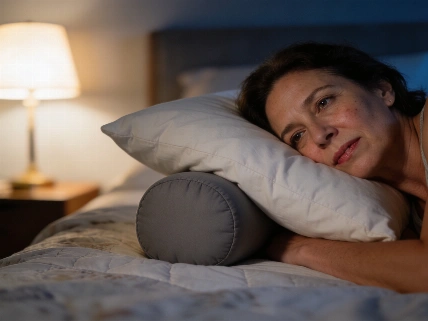
Sleeping on Your Left Side May Ease Nighttime Acid Reflux Fast
If you wake up with burning in your chest or heavy legs at night, your sleep position could be making things worse. New research suggests left-side sleeping may help reduce acid reflux and improve blood flow.

Telling Friends to Ask for Help Backfires When They Need You Most
Saying you are there for a struggling friend may sound supportive but often leaves them feeling more isolated. Psychologists warn that vague offers rarely lead to real help and can damage trust during crisis.
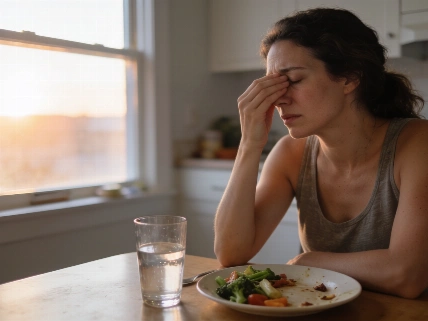
Fatigue and Mood Swings After Summer Signal a Deeper Body Reset Problem
Dragging yourself through September with broken sleep and irritability is not just post-vacation blues. Disrupted routines, late meals, and stress can throw off your body’s core systems and leave you running on empty

Men Over 50 Face Injury Risks When Chasing Fitness Trends Online
A 54-year-old firefighter’s viral workout videos spark debate about safe strength training for older adults as more men try to reclaim lost muscle and mobility after midlife
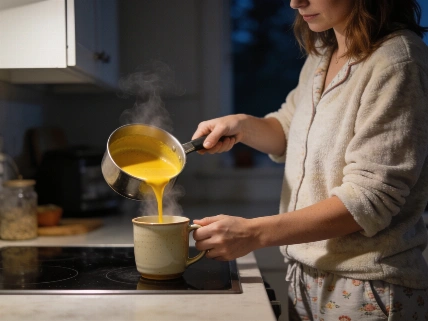
Is Turmeric Milk at Night Really Helping Your Sleep or Hurting It
A growing number of Americans are turning to turmeric milk before bed, hoping for better sleep and less pain. But does this golden drink deliver real benefits, or could it backfire for some people?

Too Many Sets at the Gym? Why More Isn’t Always Better for Muscle Growth
Piling on extra sets in your workout can actually slow muscle gains and recovery. New research and coaching advice point to a clear upper limit for effective training volume.

Drinking Late Wrecks Your Sleep—Here’s the Science Behind the Crash
If you fall asleep fast after a few drinks but wake up wired at 3 a.m., the real culprit may be the timing of your last glass—not just how much you drink or what you mix

Nighttime Wakeups Tied to Blood Sugar Swings, Says Dietitian—Here’s What Actually Helps
If you wake up in the middle of the night or hit an afternoon slump, your blood sugar could be the reason. Here’s the food strategy a top dietitian uses herself.

How Many Steps a Day Actually Protect Your Health—Not 10,000
The 10,000-step rule is everywhere, but new research shows you may need far fewer steps to lower your risk of heart disease and early death. Here’s what science says about the real daily step count that matters

When Stress Relief Backfires: The Hidden Risks of Wellness Retreats
Exclusive wellness retreats promise to reset your mind and body, but the wrong approach can leave you more depleted than restored. Here’s what to know before booking a thalassotherapy escape in the U.S.

Back-to-school stress: A quick reset for an overloaded brain
September’s return to routine can trigger anxiety and overwhelm. Experts say a simple sensory technique can help you regain calm and control when stress spikes

How an “Enriched Home” Can Boost Your Mobility and Brain Health
Most American homes make movement too easy, quietly eroding balance, flexibility, and cognitive sharpness. Subtle changes to your living space can help protect both your body and mind as you age.

Your Dog Reads Your Emotions More Closely Than You Realize
Dogs don’t just sense your mood—they process human facial expressions in ways that reveal a surprising level of emotional awareness, new brain imaging research shows

Taking a Hot Shower After Eating Can Disrupt Digestion and Blood Pressure
Jumping into a hot shower right after dinner may slow digestion, trigger bloating, or even cause a drop in blood pressure—especially if you’re already feeling wiped out from the day

Morning Habits That Quietly Damage Your Brain and Focus
A neuroscientist reveals three daily habits that can undermine your brain’s health and concentration—starting with what you do in the first minutes after waking up
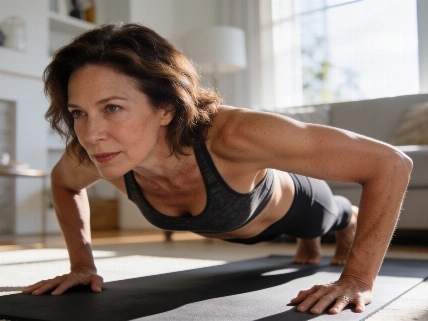
How Much Plank Time You Really Need for a Flatter Stomach After 40
After 40, many hope a few minutes of daily planking will flatten their stomach. But how much core work is enough to see results without risking injury or burnout

Cold Morning Baths: What Really Changes When You Try It for 2 Weeks
Trading coffee for a 10°C cold bath each morning, one journalist tested if this extreme ritual could boost alertness, mood, or sleep—while weighing the real risks and science behind the trend

Older Americans Reveal the Real Keys to Lasting Happiness
When adults over 70 are asked what truly matters for happiness, their answers rarely mention money or career. Instead, they point to a handful of habits and relationships that shape well-being across decades

The Etiquette Mistake That Ruins Snack Time With Friends
Serving chips straight from the bag at gatherings can create hygiene issues, awkward moments, and social discomfort—experts say the way you share snacks matters more than you think
Do You Really Need 10,000 Steps If You Lift Weights 4–6 Times a Week
Many gym-goers feel pressured to hit 10,000 steps daily, even after intense strength training. But new research suggests this target may not be necessary for those already active with regular workouts

Jennifer Aniston’s Morning Habit Raises Questions About Health Risks
Jennifer Aniston, 57, starts every day with warm lemon water before coffee. This simple ritual is trending, but experts warn it may not deliver the benefits people expect—and could even harm teeth or sensitive stomachs

The Subtle Sign in First Minutes That Reveals a Toxic Person
Psychologists say a single behavior in the first five minutes of meeting someone can signal a toxic dynamic ahead. Spotting this early may help you protect yourself from emotional harm in work or personal life
