
If you fall asleep fast after a few drinks but wake up wired at 3 a.m., the real culprit may be the timing of your last glass—not just how much you drink or what you mix
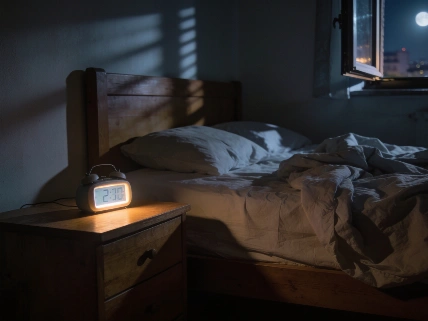
You know the routine: a couple of drinks to unwind, you fall asleep quickly, then find yourself wide awake at 3 a.m.—heart racing, mind spinning, and real rest out of reach. The problem isn’t just the alcohol itself, but when you have that last drink. Neuroscientist Pablo Barrecheguren, PhD, points out that drinking late can throw off your brain’s sleep cycles, leaving you tired and cranky the next day.
Many people think alcohol helps them sleep. In reality, it acts as a sedative at first, but the effect doesn’t last. Early in the night, alcohol knocks you out, but as your body processes it—usually three to five hours later—your brain rebounds and wakes up, sometimes with a jolt of adrenaline. That’s when you start tossing and turning. The Cleveland Clinic notes that even one late-night drink can cut into your REM sleep, which is the stage your brain needs most for recovery.
Even 1–2 alcoholic drinks consumed within three hours of bedtime can significantly reduce REM sleep, making your rest less restorative.
What’s actually happening? Alcohol scrambles the normal order of sleep. Instead of moving smoothly from light sleep to deep sleep to REM, your brain gets stuck in a shallow cycle. The Sleep Foundation reports that alcohol may boost deep sleep at first, but it sharply reduces REM and then makes you more likely to wake up. It can also increase snoring and the risk of sleep apnea. So even if you spend enough hours in bed, you might wake up groggy, unrested, or anxious.
Timing matters. If you finish your last drink three to five hours before bed, your blood alcohol level has time to drop, and your brain can settle into its usual sleep rhythm. For someone who goes to bed at 11 p.m., that means stopping drinking by 7:30 or 8 p.m. Pablo Barrecheguren recommends the Spanish habit of “tardeo”—socializing in the late afternoon—as a better option for your sleep. Harvard Health Publishing supports this, noting that spacing out your last drink helps avoid adrenaline spikes and those middle-of-the-night wakeups.
Recent sleep health guidelines from 2026 emphasize that the timing of alcohol intake is as important as the amount. Experts recommend finishing your last alcoholic drink at least 3–4 hours before bedtime to minimize sleep fragmentation and morning grogginess.
Alcohol isn’t the only thing that can wreck your sleep. Barrecheguren also warns against caffeine after 2 p.m. and heavy dinners close to bedtime. The National Sleep Foundation and public health agencies give similar advice: keep caffeine early, eat dinner on the lighter side and not too late, and leave a buffer before bed. If you’re still waking up tired or anxious after making these changes, it may be time to talk to a doctor about insomnia or other sleep problems.
Trying to “catch up” on lost sleep with a weekend nap doesn’t really work. As reported earlier, missing out on deep, uninterrupted sleep can affect everything from your mood to your metabolism. Alcohol’s impact isn’t just about feeling tired—it can hurt your mental health, memory, and your body’s ability to recover from stress.
Alcohol also relaxes the muscles in your upper airway, which can make snoring and sleep apnea worse, according to the Sleep Foundation. Even moderate evening drinking can lower sleep quality for people who already have breathing issues at night.
Research highlighted by Superpower shows that it’s not just how much you drink, but when you drink that matters. Drinking late in the evening is especially likely to cause night-time awakenings, morning grogginess, and anxiety after sleep.
The idea that a nightcap helps you sleep is a myth. The evidence is clear: alcohol disrupts sleep. If you want better rest, move your social drinking earlier, watch your caffeine and meal timing, and pay attention to how your body responds. Otherwise, you’re trading real rest for a few hours of false relaxation.
REM sleep—when your brain sorts memories, processes emotions, and repairs itself—is essential for mental and physical health. Disruptions to REM from alcohol, stress, or irregular sleep schedules can leave you foggy, irritable, and less resilient. Protecting this stage is key, so good sleep habits aren’t optional—they’re necessary for your well-being.