
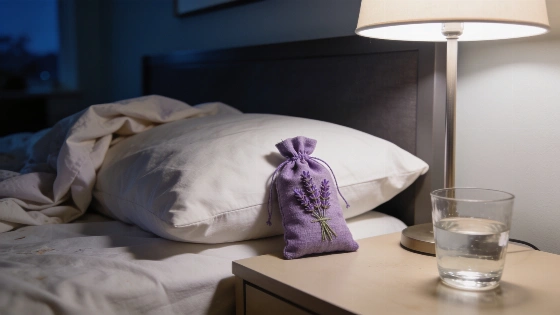
With one in three adults struggling to fall asleep, lavender sachets and oils are everywhere. But does the scent actually help your nervous system relax, or is it just another bedtime myth
In American bedrooms, lavender has become a go-to ritual for those desperate to quiet their minds at night. Whether tucked under a pillow or diffused into the air, the promise is simple: a natural way to soothe the nervous system, no prescription required. But what’s actually happening in your brain when you inhale that floral scent?
According to Top Santé, the answer lies in chemistry, not magic. Lavender’s signature aroma comes from two main molecules—linalool and linalyl acetate—found in high concentrations in Lavandula angustifolia, the classic “true lavender.” These compounds are volatile, meaning they evaporate easily and travel quickly through the nose to the brain’s olfactory bulb. From there, they reach regions that regulate emotion and alertness, including the limbic system. This pathway helps explain why a scent can shift your body’s stress response, nudging the autonomic nervous system toward relaxation.
Research published in Frontiers in Chemistry in 2017 found that linalool interacts with GABA_A receptors—key chemical gates that dampen neural activity. When these receptors are activated, the brain’s excitability drops, which may translate to a subtle sense of calm. Some studies have also measured small decreases in heart rate and blood pressure after lavender exposure, suggesting a tilt toward the “rest and digest” side of the nervous system. Still, the clinical evidence is modest. In a 2020 randomized trial of 105 cardiac patients, those who inhaled three drops of lavender oil before bed reported slightly better sleep quality than those who used another scent or none at all, as measured by the Pittsburgh Sleep Quality Index.
What the Science Really Says
The European Medicines Agency’s herbal committee has reviewed the data and calls the results encouraging but not definitive. Lavender oil is classified as a traditional herbal remedy for mild stress and sleep support, not as a proven treatment. Large, long-term studies are lacking, and experts caution that lavender should never replace medical advice or formal insomnia care. For those seeking gentle support, a sachet of dried lavender flowers on the nightstand or a drop or two of essential oil on a tissue may be enough to scent the air. But keep it away from your face, especially if you have allergies or share the room with a child.
Safety matters. Essential oils are highly concentrated and can cause irritation, breathing problems, or even serious accidents if swallowed. Poison control centers warn to keep bottles out of reach and to seek help immediately if a child ingests or gets oil in their eyes. There have also been rare reports of hormone-related effects in children exposed to lavender-containing cosmetics, so extra caution is advised in kids’ rooms. For adults, moderation and distance from the face are key.
Sleep Rituals and the American Bedroom
Lavender isn’t the only bedtime habit that shapes how we sleep. Many people rely on familiar objects or routines—like a favorite blanket or a certain pillow—to signal the brain that it’s time to wind down. As some sleep researchers have noted, these rituals can be as much about comfort and psychological safety as about any direct biological effect. The scent of lavender may work best as part of a broader routine that helps the body and mind transition to rest.
According to the Centers for Disease Control and Prevention, about 35% of U.S. adults report getting less than the recommended seven hours of sleep per night. Insomnia complaints are especially common among women and older adults. While lavender may offer a gentle nudge toward relaxation, experts agree that persistent sleep problems deserve a closer look—sometimes involving behavioral therapy, medical evaluation, or changes in daily habits. The bottom line: lavender is no cure-all, but for some, it’s a small comfort in the nightly struggle for rest.
GABA_A receptors play a central role in regulating the brain’s excitability and are the target of many prescription sleep aids, including benzodiazepines and certain hypnotics. Unlike these medications, lavender’s effect on GABA_A is subtle and non-sedating, which may explain its appeal for those wary of pharmaceutical side effects. However, the lack of strong, long-term data means lavender should be seen as a supplement to—not a replacement for—evidence-based sleep treatments. Anyone considering essential oils for sleep should consult a healthcare provider, especially if they have underlying health conditions or take other medications.