
Psychosomatic Issues
52 articlesContent should be careful: psychosomatic does not mean imaginary, and physical symptoms still deserve medical evaluation. Strong articles explain the mind-body connection, stress physiology, symptom monitoring, health anxiety, therapy approaches, and collaboration between medical and mental-health professionals.
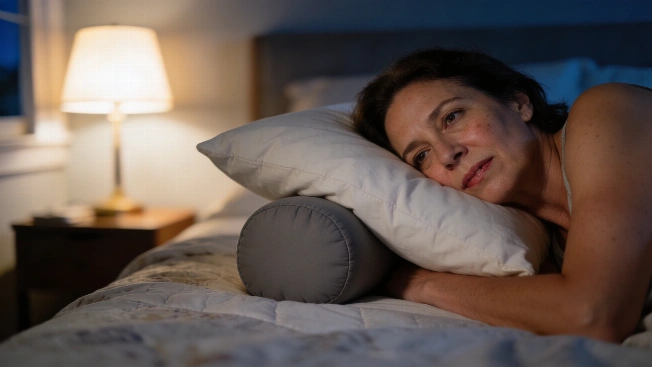
Lack of Deep Sleep Disrupts the Body’s Natural Repair System
New research reveals how missing out on deep sleep throws off the brain’s control of tissue repair and metabolism, raising the risk for weight gain and chronic illness

September Stress Recovery Fails When You Ignore Your Body’s Real Needs
After summer’s chaos, many try to reset with spa days or nature escapes but end up missing the mark on true recovery. Here’s what actually works for restoring your mind and body in early fall.

Chamomile for Sleep: Remedy, Ritual, or Just Hype?
Millions struggle to fall and stay asleep. Chamomile tea is often recommended, but does it actually help—or is it just another bedtime myth?
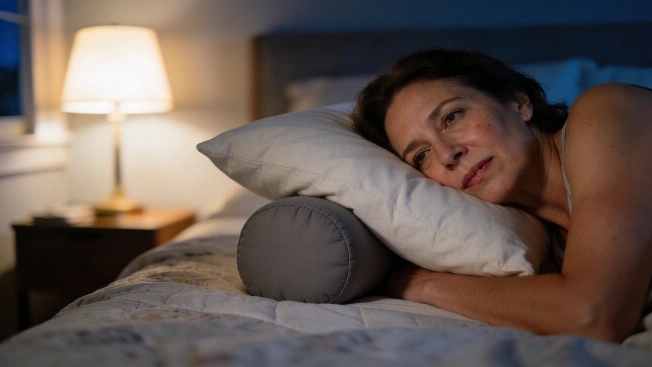
Sleeping on Your Left Side May Ease Nighttime Acid Reflux Fast
If you wake up with burning in your chest or heavy legs at night, your sleep position could be making things worse. New research suggests left-side sleeping may help reduce acid reflux and improve blood flow.
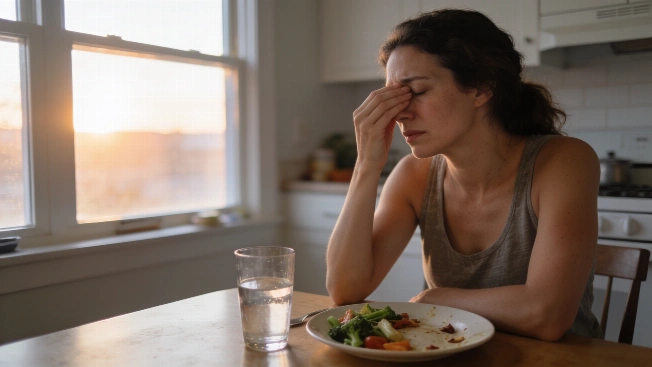
Fatigue and Mood Swings After Summer Signal a Deeper Body Reset Problem
Dragging yourself through September with broken sleep and irritability is not just post-vacation blues. Disrupted routines, late meals, and stress can throw off your body’s core systems and leave you running on empty
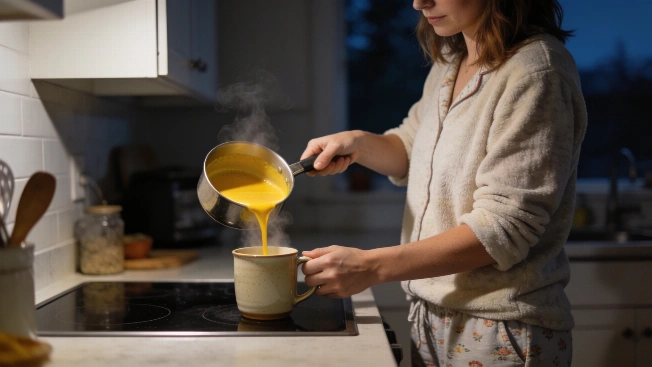
Is Turmeric Milk at Night Really Helping Your Sleep or Hurting It
A growing number of Americans are turning to turmeric milk before bed, hoping for better sleep and less pain. But does this golden drink deliver real benefits, or could it backfire for some people?

Taking a Hot Shower After Eating Can Disrupt Digestion and Blood Pressure
Jumping into a hot shower right after dinner may slow digestion, trigger bloating, or even cause a drop in blood pressure—especially if you’re already feeling wiped out from the day
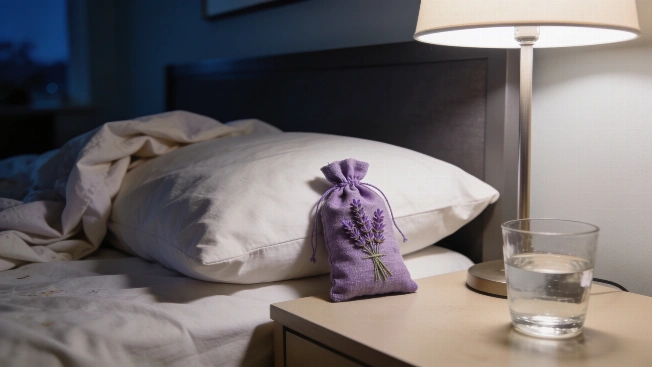
Lavender by the Bed: Does It Really Calm Your Nerves for Sleep
With one in three adults struggling to fall asleep, lavender sachets and oils are everywhere. But does the scent actually help your nervous system relax, or is it just another bedtime myth

Facing Psychogenic Vaginismus and Infertility: Am I Ready for Motherhood
A woman in her early 30s struggles with psychogenic vaginismus and infertility, questioning her readiness for motherhood as she navigates medical treatment and emotional barriers
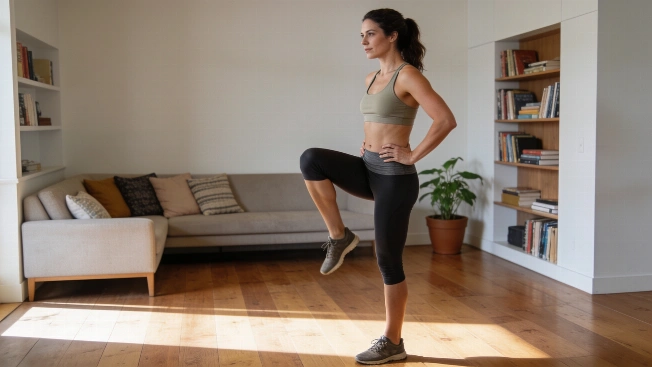
6 Standing Ab Exercises That Strengthen Your Core Without Floor Work
If crunches hurt your back or you hate floor workouts, experts say these six standing ab moves can build core strength, improve posture, and reduce daily strain

Intense Cardio Can Drain Iron and Trigger Hidden Fatigue in Athletes
Heavy endurance training can quietly deplete iron stores, leading to unexplained exhaustion, slow recovery, and stalled progress—especially in women and those with restrictive diets

Nighttime Leg Cramps: 7 Proven Ways to Relieve Pain and Sleep Better
Sudden, intense leg cramps can shatter your sleep and leave lingering pain. Learn which natural strategies actually work to ease muscle spasms and prevent them from coming back
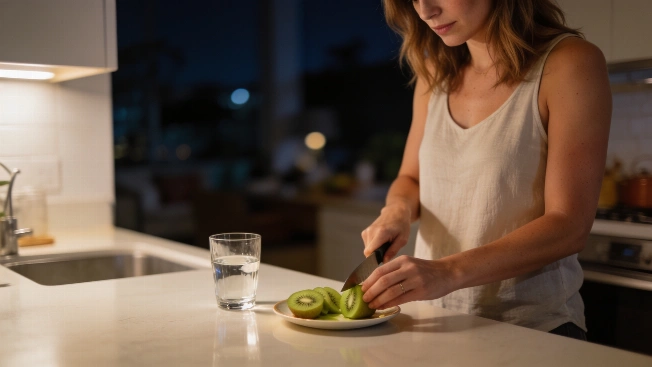
Can Eating Kiwi Before Bed Really Help You Sleep Better
Struggling to fall asleep or stay asleep? New research suggests that eating two kiwis before bedtime may improve sleep quality and reduce the time it takes to drift off, but experts urge caution before calling it a cure

How Long Should You Hold a Plank to Actually See Results
Chasing viral plank challenges can backfire. Experts say just a few focused sets each day can build core strength and protect your back—if you know when to stop and how to progress safely

10 Signs of Codependent Behavior in the Bedroom That Hurt Relationships
Codependent women often struggle with boundaries, desire, and self-worth in intimate relationships. These patterns can keep unhealthy dynamics locked in place and make change feel impossible

Emotional Blocks That Sabotage Your Life: How Image-Based Therapy Works
Chronic emotional states can quietly undermine your choices, relationships, and career. Image-based therapy targets the root of these patterns by working with your inner world, not just your thoughts

How Slow Breathing Can Calm Stress and Protect Heart
Racing heart, tight chest, and shallow breath are classic stress signals. New research shows that a simple slow-breathing technique can help regulate your nervous system and lower cardiovascular risk
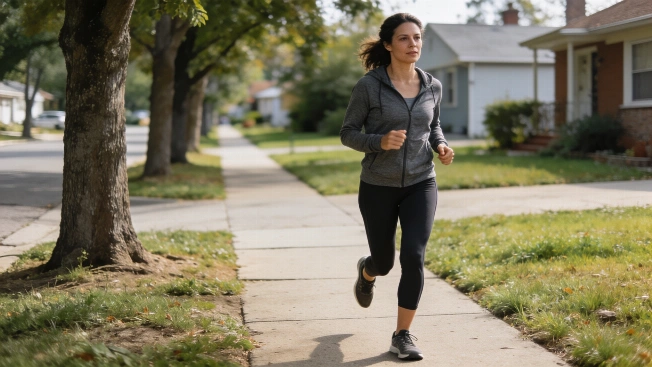
Why 10,000 Steps Failed Me And What Actually Got Me Moving
Stuck at a desk all day, I never hit 10,000 steps. But a 30-minute Japanese walking method changed my activity level and made exercise feel possible again
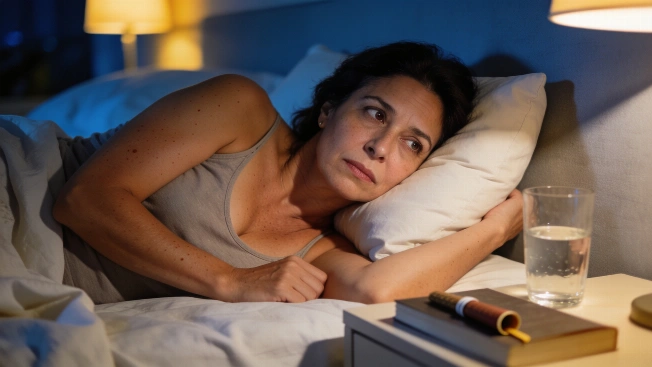
Sleeping on Your Right Side May Trigger Nighttime Acid Reflux
A Spanish physician warns that sleeping on your right side could worsen acid reflux and disrupt sleep for those prone to digestive issues, challenging a common bedtime habit many never question
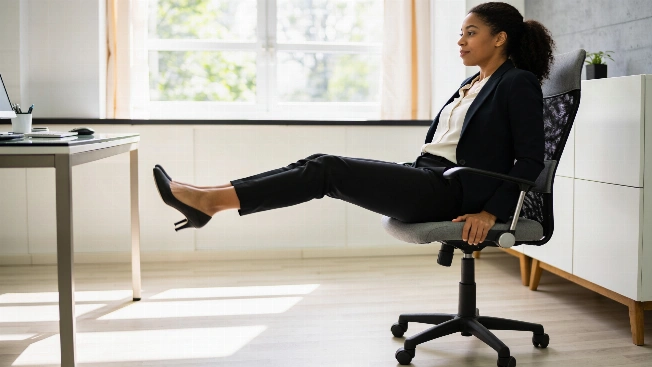
Sitting All Day? These 4 Chair Exercises Target Core Weakness
Long hours at your desk can weaken your core, but a few minutes of targeted chair-based moves can help strengthen abdominal muscles without leaving your workspace
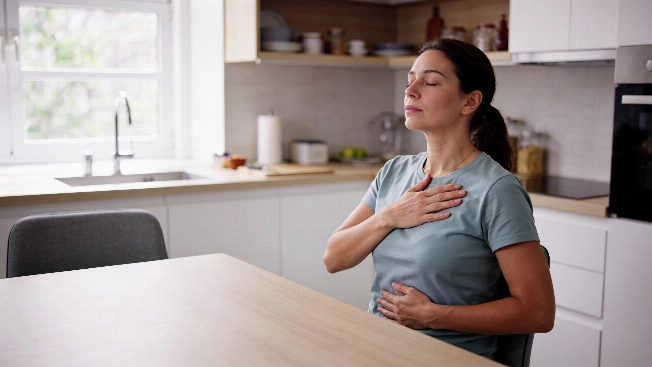
Chronic Stress Can Harm Your Heart—How to Activate the Vagus Nerve
Constant alerts, restless sleep, and daily anxiety can push your heart to its limits. Learn how science-backed vagus nerve stimulation may help lower stress and support cardiovascular health
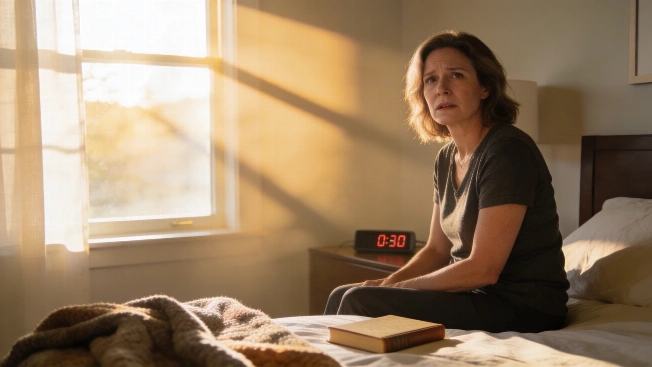
Losing Just 80 Minutes of Sleep a Night Can Trigger Weight Gain
Adults who cut their sleep by just over an hour each night for several weeks gained weight—even without eating more. The real culprit may be a drop in daily movement and rising insulin resistance
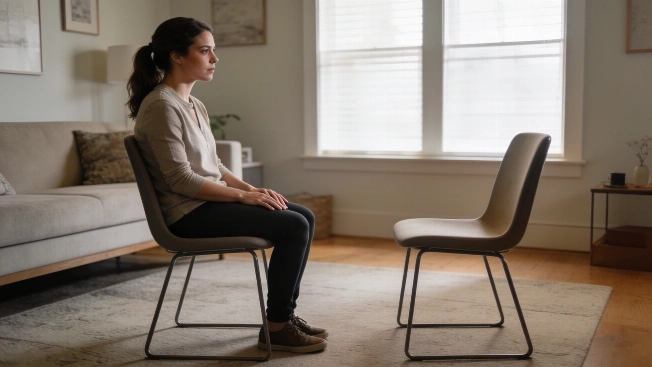
When a Persistent Cough Signals Deeper Emotional Stress
A stubborn cough with no clear medical cause can sometimes point to hidden emotional conflict, especially when old patterns resurface in adult relationships

Gut Health Mistakes That Disrupt Your Mood and Immune System
Most of your body’s serotonin isn’t made in your brain. The real action happens in your gut, where diet, stress, and daily habits can quietly sabotage your mood and immune defenses

What Happened When I Tried Lymphatic Drainage Every Day for a Month
Lymphatic drainage is trending for bloating and water retention. I tested a daily routine for a month to see if it really works

When Talk Therapy Fails: How Guided Imagery Can Heal Where Words Can't
Some emotional wounds resist logic and language—guided imagery therapy offers another path

When a Child Doesn’t Speak: How Family Patterns Can Block Speech Development
Speech delays in kids often reflect hidden family dynamics and parental patterns

How Anxiety Quietly Drains Your Money, Health, and Relationships
Anxiety often hides behind logic and caution, but its real cost runs much deeper

The Hidden Cost of Saying 'I’m Just Rational': When Leaders Miss Their Own Emotions
Many high-achieving professionals can’t identify their emotions—a real risk for health and decision-making

Chronic Exhaustion That Rest Can’t Fix: The Hidden Psychological Triggers
If you wake up tired and medical tests show nothing, psychology may hold the answer
Page 1 by 2