
Self-Esteem
205 articlesThis section explores how self-esteem can affect relationships, career choices, parenting, sexuality, money behavior, and emotional regulation, with practical signs, psychological mechanisms, therapy-informed exercises, and realistic ways to build more stable self-respect.
How an Inflated Ego Blocks Real Happiness and Fuels Chronic Discontent
Chasing validation and status can leave you restless and unsatisfied. A leading physician explains how an overgrown ego hijacks your mood and keeps true peace out of reach

Losing Everything at Once: How Sudden Upheaval Shakes Your Identity
When a breakup, job loss, and digital disasters hit all at once, the fallout can leave you numb and unmoored. A psychologist explains why your mind stalls and how to rebuild after multiple losses.
Seven Questions That Reveal If Your Life Satisfaction Is Real
If you hesitate to say you’re truly happy, you’re not alone. These seven questions cut through mood swings and daily stress to pinpoint what’s fueling or draining your sense of meaning and satisfaction.

September Stress Recovery Fails When You Ignore Your Body’s Real Needs
After summer’s chaos, many try to reset with spa days or nature escapes but end up missing the mark on true recovery. Here’s what actually works for restoring your mind and body in early fall.
No Relationships at Thirty: Facing the Pressure to Build a Life Alone
Feeling stuck at thirty with no romantic history can trigger shame and self-doubt. The urge to compare yourself to others grows stronger as social circles shrink and isolation deepens.
Losing Yourself in Relationships Leads to Emotional Burnout and Escape
When you shape your identity around a partner’s needs, you risk losing your sense of self and facing a cycle of anxiety, avoidance, and emotional exhaustion in every new relationship

How Comparing Yourself to Family Success Can Trigger Anxiety and Shame
When a sibling or friend achieves something big, it can spark motivation—or send you spiraling into self-doubt and anxiety. Here’s how comparison thinking hijacks your mood and what actually helps break the cycle.
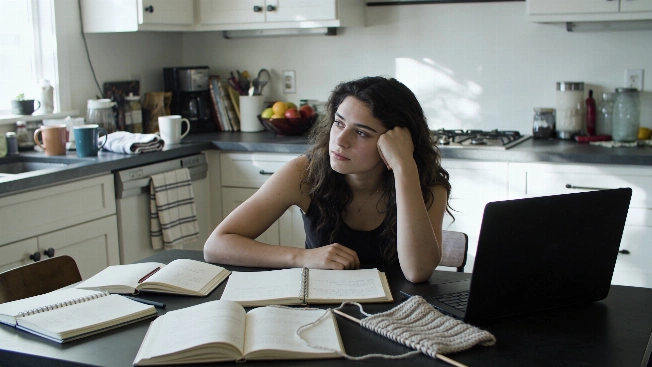
When Your Dream Job Stops Making Sense: Facing Career Uncertainty
A young woman on the verge of graduating law school realizes her chosen path no longer fits. She’s stuck between financial pressure, guilt, and the fear of making the wrong move after years of following a plan that now feels empty

How Many Steps a Day Actually Protect Your Health—Not 10,000
The 10,000-step rule is everywhere, but new research shows you may need far fewer steps to lower your risk of heart disease and early death. Here’s what science says about the real daily step count that matters

When Your Own Behavior Destroys a Relationship You Still Want
After a painful breakup triggered by her own actions, a young woman faces guilt, shame, and fears of never being forgiven. A cognitive behavioral therapist explains how to process regret and move forward
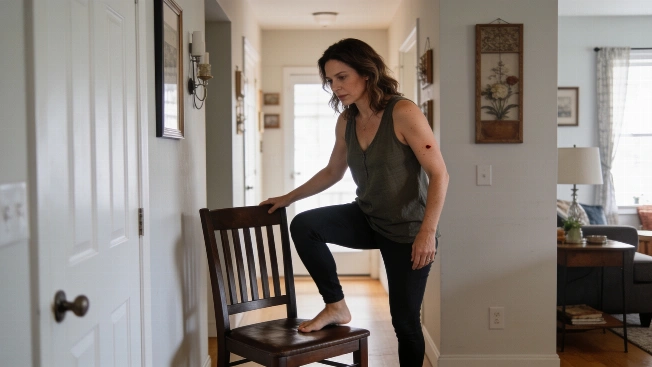
How an “Enriched Home” Can Boost Your Mobility and Brain Health
Most American homes make movement too easy, quietly eroding balance, flexibility, and cognitive sharpness. Subtle changes to your living space can help protect both your body and mind as you age.
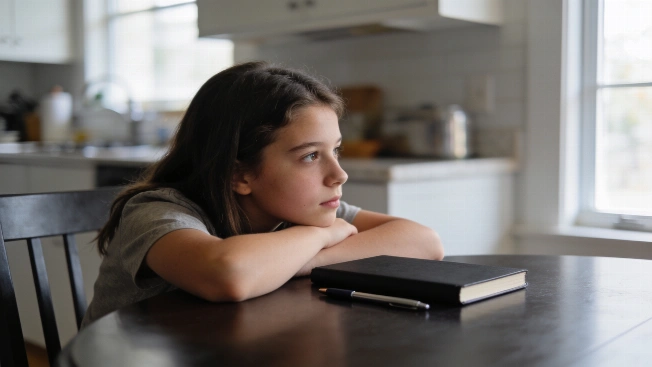
Feeling Trapped by Routine: When Overplanning Steals Your Joy
A 17-year-old describes how strict routines and rational thinking have left her feeling numb and disconnected from her own desires, raising questions about how to break free from self-imposed limits
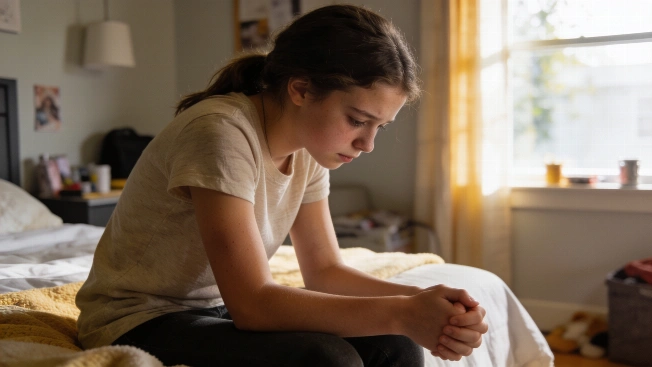
When Childhood Perfectionism Turns Into Lifelong Shame and Self-Doubt
Pressure to be the 'perfect child' can leave deep marks, fueling shame, anxiety, and relentless self-criticism well into adulthood. Here’s how these patterns form and what can help break the cycle
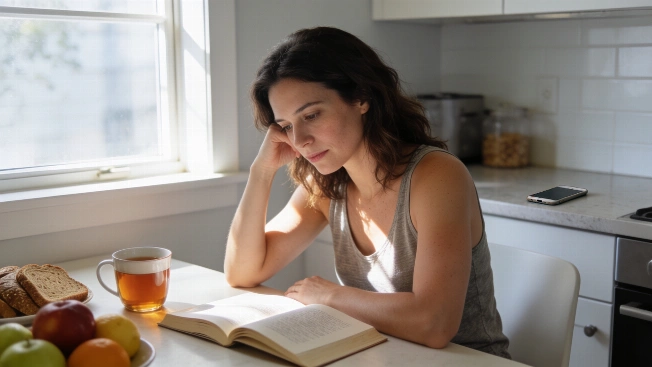
Morning Habits That Quietly Damage Your Brain and Focus
A neuroscientist reveals three daily habits that can undermine your brain’s health and concentration—starting with what you do in the first minutes after waking up
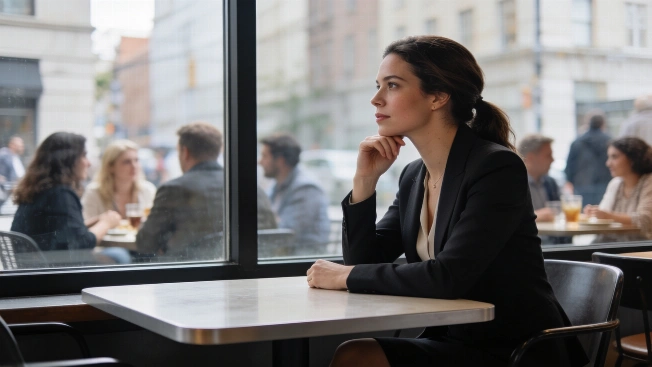
Educated Women Face Dating Barriers as Men Seek Simpler Relationships
Many accomplished women report being overlooked in dating, as men gravitate toward less independent partners. Experts explore the roots of this pattern and what it means for women seeking genuine connection
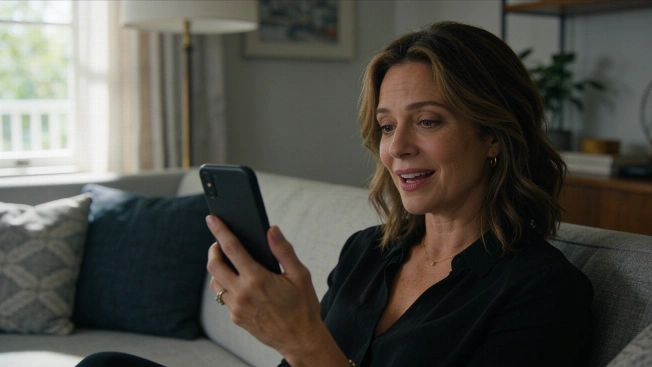
When a Man’s Mixed Signals After a Date Turn Toxic
After a year of online chatting, a woman meets a younger man in person—only to face emotional whiplash when he demands intimate photos, blocks her, then repeats the cycle
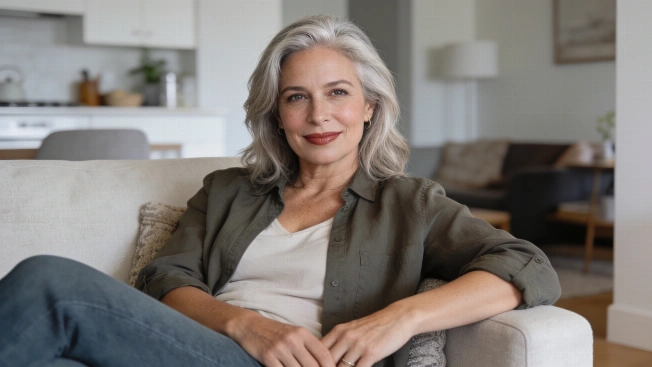
Letting Your Gray Hair Show May Reveal a Rare Personality Trait
Choosing to stop coloring gray hair is more than a style decision. Experts say it often signals a rare psychological profile—one that resists social pressure and values authenticity over image

When Your Boyfriend Can’t Stop Looking at Other Women in Public
A clinical psychologist explains what it means when your partner checks out other women, how to talk about it, and what this behavior can reveal about trust and self-esteem in young relationships
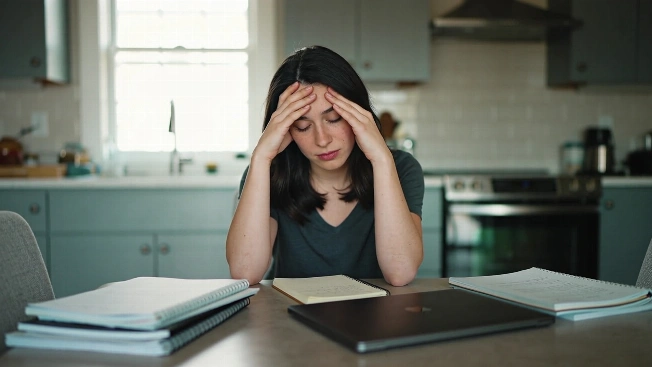
Setting Impossible Goals and Feeling Like a Failure: What Drives Self-Criticism
Many young adults push themselves to extremes, chasing perfection and battling harsh self-judgment. Experts explain why this cycle forms and how to break it with practical steps
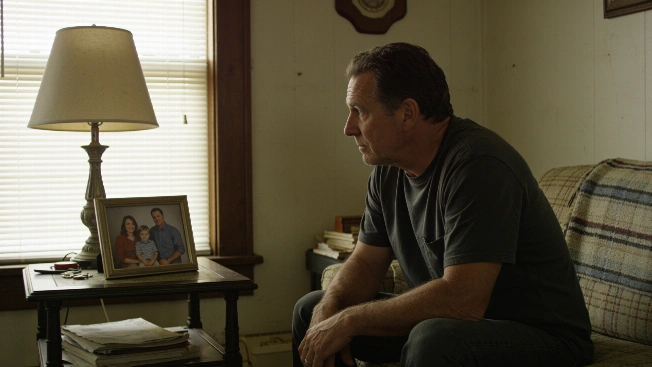
How Childhood Emotional Neglect Fuels a Lifelong Need for Approval
When a parent fails to offer unconditional love, a child may grow up chasing validation through risky or antisocial behavior, never feeling truly seen or valued
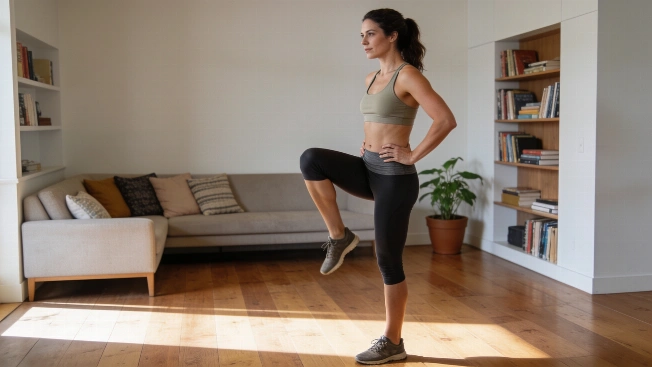
6 Standing Ab Exercises That Strengthen Your Core Without Floor Work
If crunches hurt your back or you hate floor workouts, experts say these six standing ab moves can build core strength, improve posture, and reduce daily strain
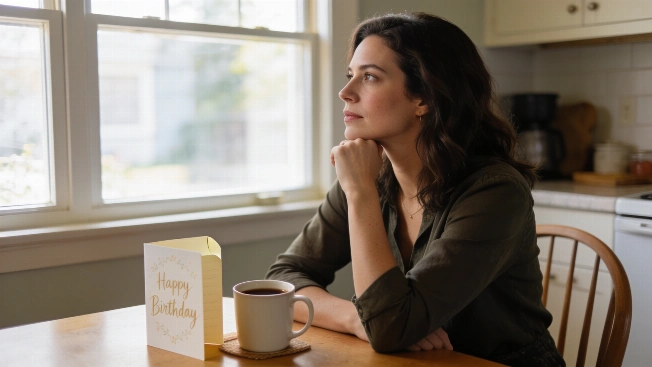
Ignoring Your Birthday May Signal a Rare Form of Self-Esteem
If you barely notice your own birthday, your psychological profile may be different from most. Research shows this behavior can reveal how you build self-worth and handle social expectations

Why Some People Apologize for Their Homes Before You Even Step Inside
If you find yourself apologizing for a messy house before guests arrive, you may be reacting to patterns rooted in childhood and family dynamics, not just concern about cleanliness or order

How to Stop Letting Other People’s Rudeness Drain Your Energy
When others cross your boundaries or act disrespectfully, it’s easy to feel angry, tense, or disappointed. Here’s how to protect your mental health and respond without self-damage
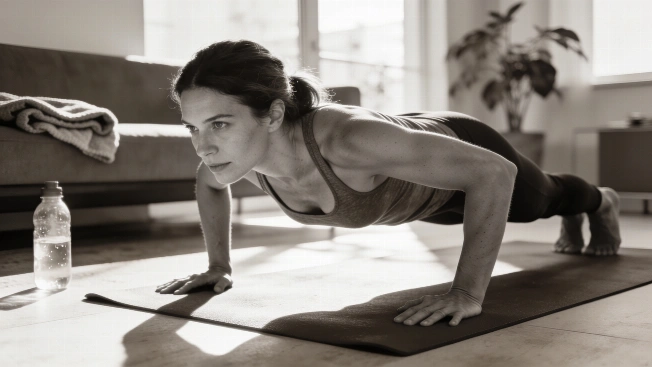
How Long Should You Hold a Plank to Actually See Results
Chasing viral plank challenges can backfire. Experts say just a few focused sets each day can build core strength and protect your back—if you know when to stop and how to progress safely
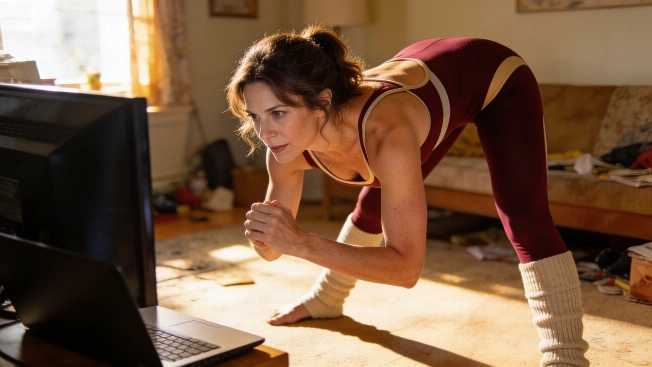
Jane Fonda’s 1980s Home Workouts Are Tougher Than You Think
A fitness journalist put Jane Fonda’s classic home workout routines to the test for two weeks and found the sessions far more demanding—and effective—than their retro reputation suggests
Living to Please Your Parents: How to Break the Cycle Without Guilt
Many young adults feel trapped by the fear of disappointing their parents, struggling to make independent choices and risking their own growth in the process
Your Personality Shifts More Than You Think as You Age
Most adults believe their core personality stays the same, but new research shows our traits can shift as much as our health or income—sometimes without us noticing
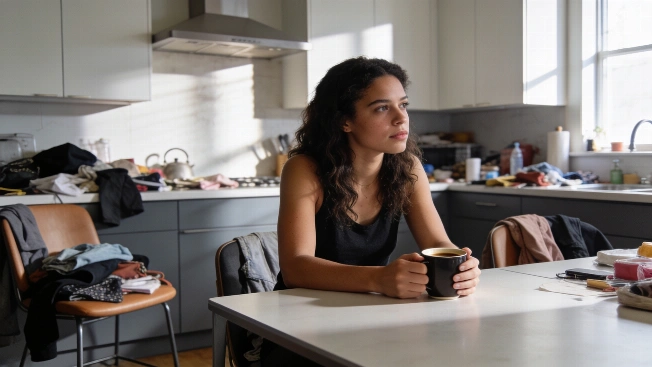
Always Following Others’ Choices? How to Start Making Your Own Decisions
Many adults realize they’re living by others’ expectations, not their own. Learn how to identify your real wants, break free from people-pleasing, and build confidence in your own decisions
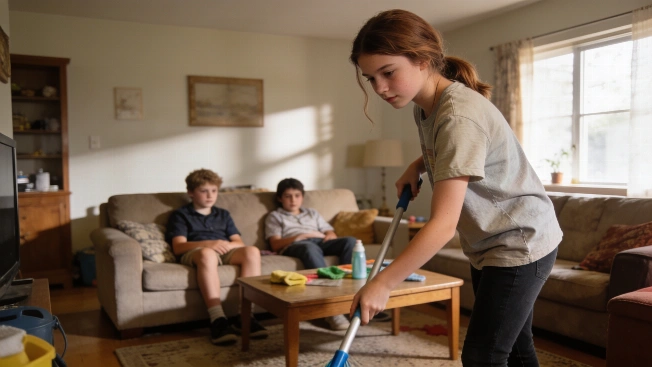
When Parents Favor the Youngest: The Emotional Toll on Older Kids
Older children often face stricter rules, more chores, and less warmth at home, while their younger siblings are treated with leniency. This pattern can fuel resentment, anxiety, and a sense of invisibility
Page 1 by 7