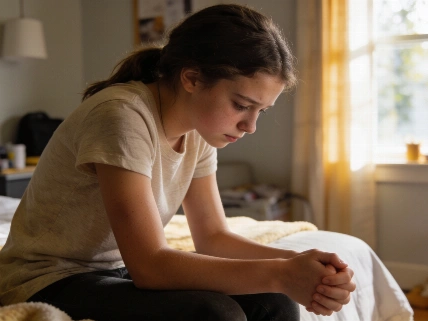


A 17-year-old describes how strict routines and rational thinking have left her feeling numb and disconnected from her own desires, raising questions about how to break free from self-imposed limits
At 17, Madison finds herself boxed in by her own routines. Every day is mapped out, every decision weighed. She’s efficient, organized, and rarely caught off guard. But lately, she’s noticed something missing: the sense that life is actually happening to her, not just passing by. She’s read advice columns, scrolled through forums, even made lists of what she wants. The problem? Her wishes feel dull, almost obligatory. She’s lost touch with what she truly enjoys, and the pressure to meet expectations—her own and her parents’—has left her anxious and restless.
According to Psytheater.com, this pattern is common among teens and young adults who grew up in homes where achievement and control were prized. If you were taught that “should” always outweighs “want,” it’s easy to lose the ability to recognize your own preferences. Sometimes, there’s no family model for healthy spontaneity. Instead, the message is: do what’s expected, don’t make mistakes, and keep your feelings in check. Over time, this can lead to a kind of emotional numbness, where even the act of making a wish feels like another item on a to-do list.
Breaking out of this cycle isn’t about throwing away your planner or ignoring responsibilities. It’s about carving out small, manageable moments for unpredictability. Experts suggest starting with just 15 minutes a day—walk a new route, try a different snack, or simply sit and watch the world outside your window. If that feels overwhelming, even a single minute of doing something unplanned can help. The goal isn’t to become reckless, but to gently loosen the grip of routine and let yourself experiment with new experiences.
It’s also crucial to give yourself permission to make mistakes. Perfectionism and fear of failure often go hand in hand with rigid routines. Ordering a dish you’ve never tried, wearing something out of your comfort zone, or reaching out to someone new can all be small acts of rebellion against the tyranny of “should.” Over time, these experiments can help you rebuild your sense of what you actually like, not just what you’re supposed to like.
For those who struggle with this, it can help to break down desires into categories—food, clothes, movies, social activities—and keep track of what sparks genuine interest. Notice the physical cues: a craving for more, a sense of pleasure, a moment of excitement. This process is slow, and the first lists may seem sparse or uninspired. But as with learning to ride a bike after a long break, the awkwardness fades with practice.
Madison’s experience echoes a broader trend among young people who feel disconnected from their own wants. The pressure to perform, to be productive, and to avoid mistakes can leave little room for self-discovery. As one recent feature on the exhaustion of social effort and loneliness points out, the struggle to break old patterns is rarely solved by willpower alone. It takes patience, self-compassion, and sometimes professional support to relearn how to listen to yourself.
Recent studies from the American Psychological Association show that nearly 60% of U.S. teens report feeling pressure to meet parental or academic expectations, with over 40% describing frequent anxiety about making mistakes. These numbers highlight how widespread the struggle with perfectionism and emotional disconnection has become, especially in high-achieving families. Early intervention—through therapy, school counseling, or structured self-reflection—can help prevent these patterns from hardening into adulthood.
Books like “Self-Compassion” by Kristin Neff and “The Gifts of Imperfection” by Brené Brown offer practical exercises for building a more flexible, forgiving relationship with yourself. For those who want to go deeper, cognitive-behavioral therapy and mindfulness-based approaches can provide tools for challenging rigid thinking and reconnecting with authentic desires. The process is gradual, but every small act of spontaneity is a step toward a more vivid, self-directed life.