
Psychoeducation
432 articlesThis section helps readers build mental-health literacy through practical explanations of psychological concepts, common myths, coping skills, and signs that professional support may be appropriate.
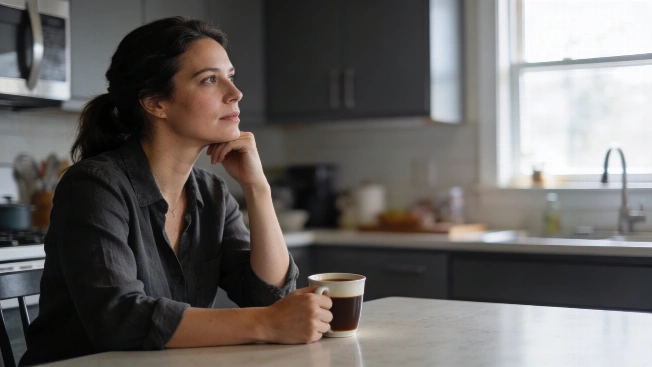
How an Inflated Ego Blocks Real Happiness and Fuels Chronic Discontent
Chasing validation and status can leave you restless and unsatisfied. A leading physician explains how an overgrown ego hijacks your mood and keeps true peace out of reach

Cold Showers and the Vagus Nerve Are Not a Cure for Chronic Stress
A neuropsychologist claims a one-minute cold shower can trigger the vagus nerve and help the body shift out of stress mode. But does this quick ritual really deliver lasting calm or just a fleeting jolt

How Saying Thank You Signals Empathy and Shapes Mental Health
A routine thank you can reveal far more than good manners. Psychiatric research shows that the way we express gratitude may expose our true levels of empathy, altruism, and emotional connection.

Seven Questions That Reveal If Your Life Satisfaction Is Real
If you hesitate to say you’re truly happy, you’re not alone. These seven questions cut through mood swings and daily stress to pinpoint what’s fueling or draining your sense of meaning and satisfaction.

No Relationships at Thirty: Facing the Pressure to Build a Life Alone
Feeling stuck at thirty with no romantic history can trigger shame and self-doubt. The urge to compare yourself to others grows stronger as social circles shrink and isolation deepens.

When You Stop Trusting Your Gut and Lose Yourself in Relationships
Many adults realize too late that their intuition has gone silent after years of suppressing their own needs to fit family or partner expectations. The cost is real—lost boundaries, chronic self-doubt, and a life lived by someone else’s rules.

When Every Bad News Story Feels Like a Personal Threat
If tragic headlines or sad stories leave you sleepless and on edge, you may be caught in a cycle where your mind turns every risk into a vivid personal fear. Learn why this happens and how to reclaim your sense of safety.

When Your Partner Controls You but Refuses to Contribute
A young woman supports her boyfriend financially while being micromanaged and pressured to justify every move. Experts explain how people-pleasing can trap you in toxic dynamics.

Erotic Dreams Are Not a Red Flag for Your Relationship
Recurring sexual dreams often spark anxiety about fidelity or satisfaction, but experts say these vivid scenarios reveal more about inner freedom and self-censorship than about real-life intimacy.

When Food Becomes the Only Way to Unwind: Breaking Emotional Eating
A fitness coach knows all the nutrition rules but still turns to food for relief from stress and exhaustion. A trauma-informed therapist explains why knowledge alone can’t break the cycle and what actually helps

How Comparing Yourself to Family Success Can Trigger Anxiety and Shame
When a sibling or friend achieves something big, it can spark motivation—or send you spiraling into self-doubt and anxiety. Here’s how comparison thinking hijacks your mood and what actually helps break the cycle.

Drinking Late Wrecks Your Sleep—Here’s the Science Behind the Crash
If you fall asleep fast after a few drinks but wake up wired at 3 a.m., the real culprit may be the timing of your last glass—not just how much you drink or what you mix

Nighttime Wakeups Tied to Blood Sugar Swings, Says Dietitian—Here’s What Actually Helps
If you wake up in the middle of the night or hit an afternoon slump, your blood sugar could be the reason. Here’s the food strategy a top dietitian uses herself.

When Fear for a Parent Takes Over: Coping With Separation Anxiety
A teen struggles with overwhelming worry and worst-case scenarios after his mom leaves for work in another city, revealing how separation anxiety can trigger intrusive thoughts and emotional distress in children and adolescents

Back-to-school stress: A quick reset for an overloaded brain
September’s return to routine can trigger anxiety and overwhelm. Experts say a simple sensory technique can help you regain calm and control when stress spikes
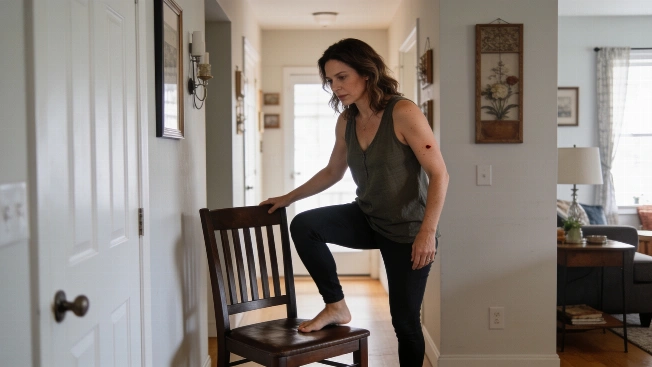
How an “Enriched Home” Can Boost Your Mobility and Brain Health
Most American homes make movement too easy, quietly eroding balance, flexibility, and cognitive sharpness. Subtle changes to your living space can help protect both your body and mind as you age.
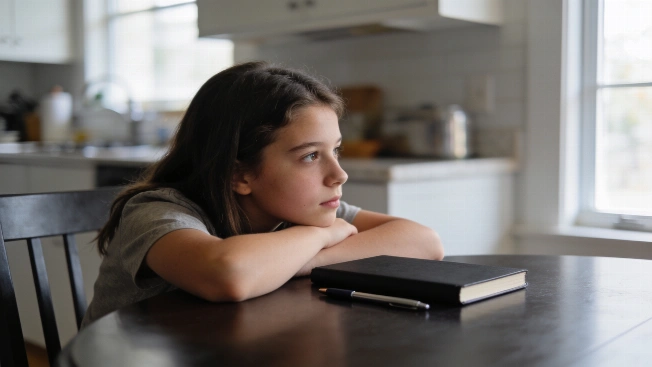
Feeling Trapped by Routine: When Overplanning Steals Your Joy
A 17-year-old describes how strict routines and rational thinking have left her feeling numb and disconnected from her own desires, raising questions about how to break free from self-imposed limits

Your Dog Reads Your Emotions More Closely Than You Realize
Dogs don’t just sense your mood—they process human facial expressions in ways that reveal a surprising level of emotional awareness, new brain imaging research shows

Is My Classmate Really My Friend or Just Using Me
When a friendship leaves you feeling pressured, manipulated, or anxious, it’s time to question what you’re getting out of it and whether it’s worth the emotional cost
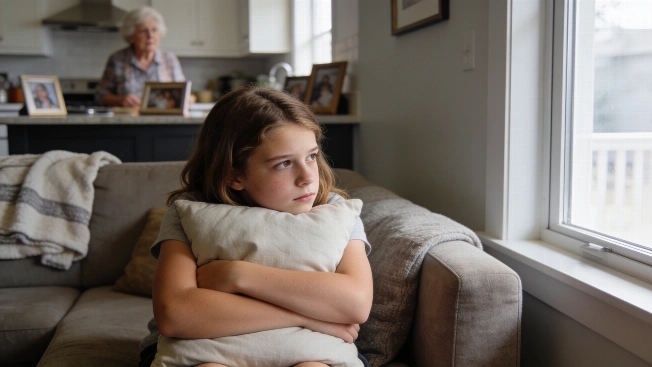
When Mom Leaves and You Feel Left Behind: Coping With Separation
A 12-year-old struggles with sadness and anxiety when her mom leaves her with her grandmother to spend time with her younger sister and stepdad. A child psychologist explains what helps kids manage these feelings

Morning Habits That Quietly Damage Your Brain and Focus
A neuroscientist reveals three daily habits that can undermine your brain’s health and concentration—starting with what you do in the first minutes after waking up
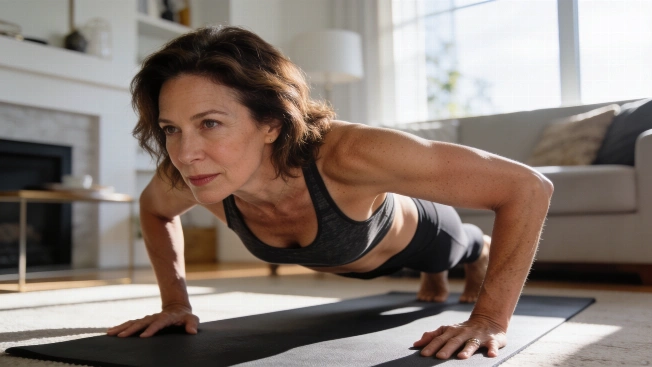
How Much Plank Time You Really Need for a Flatter Stomach After 40
After 40, many hope a few minutes of daily planking will flatten their stomach. But how much core work is enough to see results without risking injury or burnout

How to Talk to a Husband Who Shuts Down or Gets Aggressive
When every tough conversation with your husband turns into a fight or stonewalling, it’s easy to feel stuck. Here’s how to break the cycle and actually be heard

Cold Morning Baths: What Really Changes When You Try It for 2 Weeks
Trading coffee for a 10°C cold bath each morning, one journalist tested if this extreme ritual could boost alertness, mood, or sleep—while weighing the real risks and science behind the trend
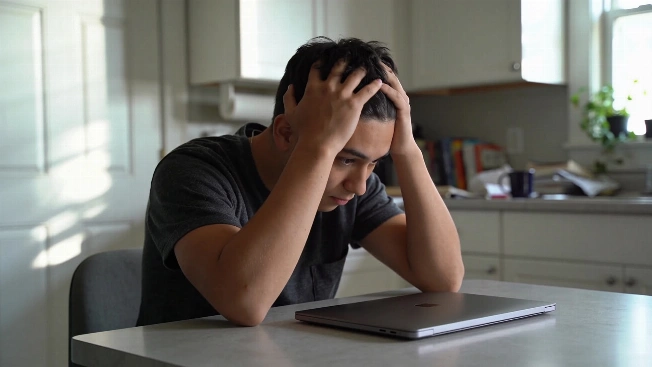
Office Job Panic and Career Apathy at 26: What’s Really Going On
A 26-year-old struggles with career direction and feels panic at the thought of office work. A psychologist explains how to spot deeper issues and what steps can help clarify your path
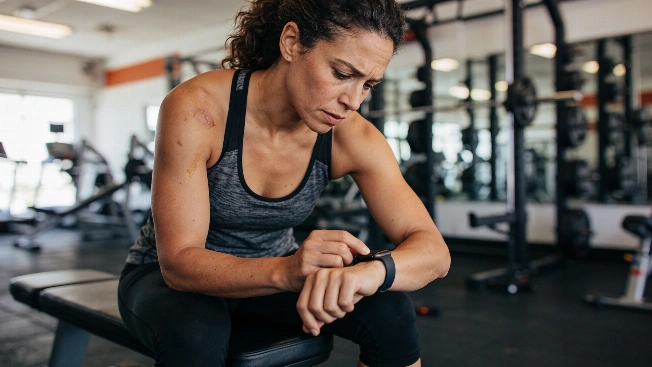
Do You Really Need 10,000 Steps If You Lift Weights 4–6 Times a Week
Many gym-goers feel pressured to hit 10,000 steps daily, even after intense strength training. But new research suggests this target may not be necessary for those already active with regular workouts
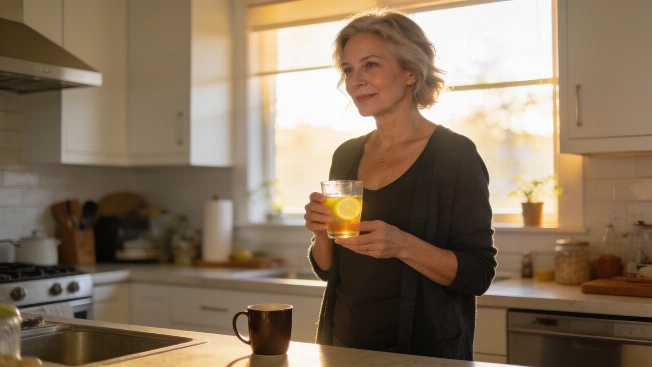
Jennifer Aniston’s Morning Habit Raises Questions About Health Risks
Jennifer Aniston, 57, starts every day with warm lemon water before coffee. This simple ritual is trending, but experts warn it may not deliver the benefits people expect—and could even harm teeth or sensitive stomachs

Educated Women Face Dating Barriers as Men Seek Simpler Relationships
Many accomplished women report being overlooked in dating, as men gravitate toward less independent partners. Experts explore the roots of this pattern and what it means for women seeking genuine connection
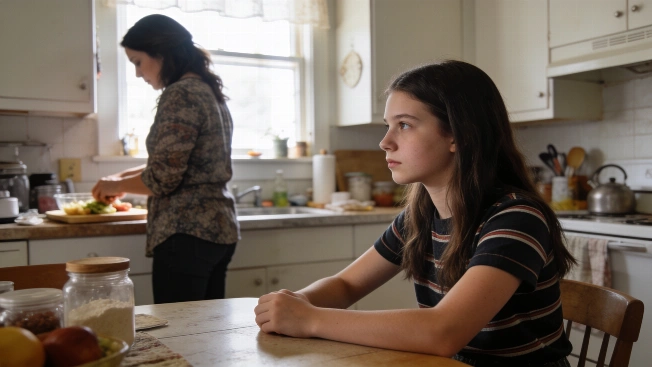
When Your Mom Never Asks About Your Life or Says She Loves You
A teen struggles with feeling invisible at home as her mom withdraws and communication breaks down, raising questions about emotional needs, family burnout, and how to reconnect

The Subtle Sign in First Minutes That Reveals a Toxic Person
Psychologists say a single behavior in the first five minutes of meeting someone can signal a toxic dynamic ahead. Spotting this early may help you protect yourself from emotional harm in work or personal life
Page 1 by 15