A 12-year-old struggles with sadness and anxiety when her mom leaves her with her grandmother to spend time with her younger sister and stepdad. A child psychologist explains what helps kids manage these feelings
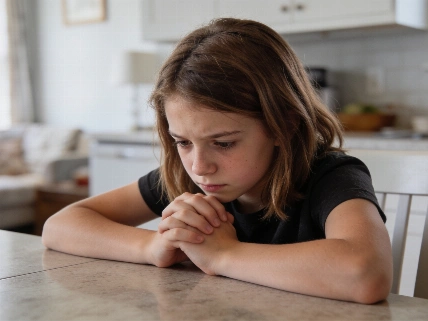
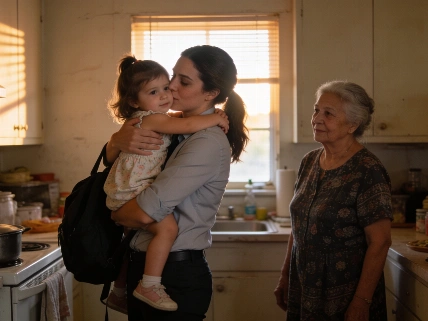
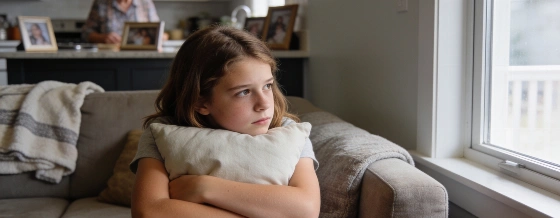
Every other week, 12-year-old Emily finds herself in a familiar cycle: her mom and younger sister pack up and head back to their apartment with Emily’s stepdad, while Emily stays behind at her grandmother’s house. The moment the door closes, a wave of sadness and anxiety hits. She tries to distract herself, but nothing fills the gap left by her mom’s absence. The tears come quickly, and the ache of missing her mom lingers until they’re reunited.
According to Psytheater.com, this kind of separation anxiety is common in children and preteens, especially when family routines are disrupted or when a parent is a primary source of comfort. The brain, wired for attachment, reacts to a loved one’s absence with a surge of worry: Where is she? Is she coming back? For kids who feel safest with their mom, these moments can trigger real distress, not just fleeting sadness.
Experts say the goal isn’t to force yourself to stop missing your parent. Instead, it’s about learning to tolerate the discomfort and recognize that longing is a normal part of loving someone. When the urge to cry comes, it’s okay to let it happen. Remind yourself: “I miss my mom because I care about her. She’s not gone forever—she’s just away for now.” This self-talk helps the brain process the separation as temporary, not catastrophic.
Making the absence predictable can also ease anxiety. Agreeing on a set time to call or video chat, planning a shared activity for when you’re apart—like watching the same show or sending each other photos—can help maintain a sense of connection. These rituals turn “mom’s not here” into “we have a plan for when we’ll talk and when she’ll be back.”
It’s not always necessary to distract yourself with hobbies or activities right away. Sometimes, sitting with your feelings—crying, texting your mom, or just being near your grandmother—can be more helpful than forcing yourself to move on. Over time, these small acts of self-soothing build resilience, making it easier to handle future separations.
Family dynamics can complicate these emotions. When a parent’s attention is divided between households or siblings, it’s easy for a child to feel left out or less important. Open conversations about these feelings, and reassurance from adults, can help. For parents, understanding that a child’s sadness isn’t a sign of weakness but a sign of strong attachment is key. As one related story on navigating boundaries with parents in young adulthood shows, the process of separating and reconnecting is a lifelong challenge, not just a childhood phase.
Research from the American Academy of Child and Adolescent Psychiatry shows that up to 4% of children experience separation anxiety disorder, but many more have milder, situational symptoms during family transitions. Structured routines, clear communication, and supportive caregivers are linked to better emotional outcomes. Early intervention—through therapy or family support—can prevent these feelings from escalating into more serious anxiety or mood issues.
Separation anxiety in children is distinct from generalized anxiety or depression. It centers on fear of losing a specific attachment figure, often a parent, and can manifest as sadness, worry, or even physical symptoms like stomachaches. Treatment may include cognitive-behavioral therapy, family counseling, or gradual exposure to separations. The focus is on helping kids build confidence in their ability to cope, while maintaining strong, secure relationships with their caregivers.