Trading coffee for a 10°C cold bath each morning, one journalist tested if this extreme ritual could boost alertness, mood, or sleep—while weighing the real risks and science behind the trend
For most Americans, the idea of starting the day with a freezing bath sounds like a dare, not a wellness routine. But as cold plunges trend on social media and in boutique gyms, the question lingers: does a daily cold bath actually deliver on its promises—or just shock you awake?
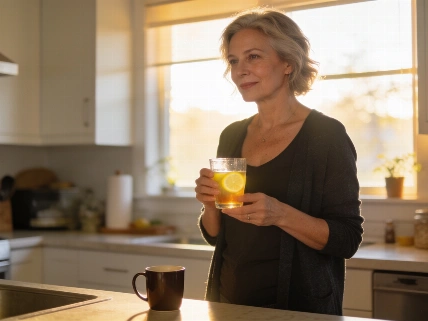
Alexa Mellardo, a U.S. wellness journalist, decided to find out. Her usual mornings involved a homemade latte and a hot shower, not a tub of 50°F water. But after watching her husband swear by his own cold bath habit—claiming sharper focus, better sleep, and faster post-workout recovery—she committed to two weeks of cold immersion at dawn.
First Week: The Shock Factor
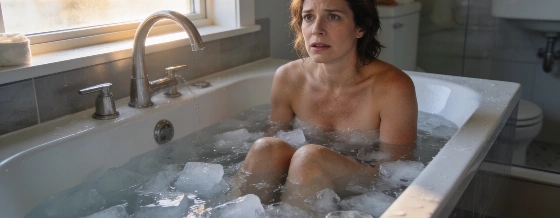
Immersing herself up to the chest for 30 seconds each morning, Mellardo quickly learned that the initial plunge is less invigorating, more survival instinct. The cold triggered a gasp, rapid breathing, and a racing heart. She found herself counting the seconds, fighting the urge to jump out. According to sports science expert Dr. Mark Kovacs, this is a normal physiological response: sudden cold exposure activates skin sensors and a fight-or-flight reaction. Over time, repeated exposure can blunt the shock, as the body adapts to the stressor.
Cold water immersion has gained popularity for its supposed mood-boosting effects, but the evidence is mixed. Some studies suggest brief cold exposure may trigger endorphin release and a short-term lift in alertness. However, the discomfort is real, and not everyone finds the process tolerable or beneficial.
Second Week: Pushing Limits
By week two, Mellardo increased her time in the bath to 40 seconds and submerged her shoulders. The experience remained uncomfortable, but she noticed a faster transition from groggy to alert. Dr. Kovacs cautions that colder or longer is not always better. For beginners, he recommends water between 55°F and 61°F for 30 to 60 seconds, gradually increasing duration only as tolerated. The goal is adaptation, not endurance.
While Mellardo didn’t notice dramatic changes in muscle recovery—her workouts are mostly Pilates and brisk walking—she did report feeling more mentally prepared for the day’s demands. The cold bath, she said, jolted her awake more effectively than coffee and seemed to help her fall asleep faster at night.
Risks and Realities
Short cold exposure is generally safe for healthy adults, but daily cold plunges are not required for benefits. Sudden immersion in very cold water can trigger a strong cardiovascular response: blood vessels constrict, blood pressure rises, and the heart works harder. Dr. Kovacs warns never to cold plunge alone, and to avoid it if under the influence of alcohol or medication. Exit immediately if you experience chest pain, dizziness, confusion, numbness, or severe shivering.
People with heart disease, arrhythmias, uncontrolled hypertension, diabetes, epilepsy, Raynaud’s syndrome, or a history of stroke or heart attack should consult a doctor before trying cold baths. The same goes for those who are pregnant or taking medications that affect heart rate or blood pressure.
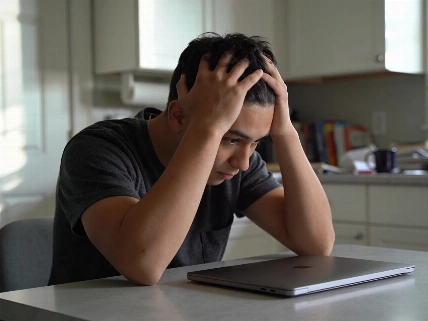
For those curious about other morning rituals that impact alertness and mood, some have experimented with quitting coffee for a month, as described in this firsthand account of a caffeine-free experiment.
According to Psytheater.com, the cold bath trend is not a cure-all. It’s a tool—one that may help some people feel more awake or resilient, but not without discomfort or risk. The science is still evolving, and individual responses vary widely.
Recent research from the National Institutes of Health shows that brief cold exposure can activate brown fat, increase metabolic rate, and trigger a release of norepinephrine, a hormone linked to alertness and mood. However, most studies involve small groups and short-term outcomes. There is no consensus on the long-term mental health benefits or the ideal frequency for cold immersion. As with any wellness trend, moderation and medical guidance are key.