
Panic Attacks
10 articlesStrong coverage should explain the fear-adrenaline cycle, catastrophic interpretation of bodily sensations, avoidance, anticipatory anxiety, and coping tools such as grounding, breathing regulation, psychoeducation, and gradual return to avoided situations. It should also make clear when medical assessment or professional mental-health support is necessary.

When Self-Harm Becomes a Teen’s Coping Mechanism and Family Can’t Help
Teens who self-harm often feel trapped by anxiety and panic attacks, even when friends and family know and try to intervene. Psychiatric experts explain why this cycle is so hard to break and what real help looks like

Office Job Panic and Career Apathy at 26: What’s Really Going On
A 26-year-old struggles with career direction and feels panic at the thought of office work. A psychologist explains how to spot deeper issues and what steps can help clarify your path
Living With Complex PTSD: How Childhood Trauma Shapes Adult Life
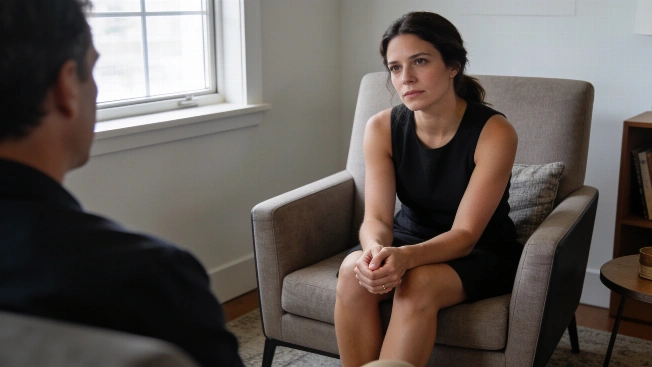
Ten years after starting therapy for panic attacks, one woman reveals how childhood trauma and complex PTSD shaped her relationships, daily life, and recovery process

How Rigid Therapy Plans Can Stall Progress in Anxiety and Depression
Many therapy clients get stuck when treatment follows a rigid step-by-step plan. Barriers often appear at key stages, especially when old beliefs or lack of resources block progress toward real change

Swollen Hands or Just Anxiety? When Body Sensations Trigger Health Panic
If your rings feel tight or your socks leave marks, is it swelling or anxiety at work

When Meditation Triggers Fear: The Hidden Risks Few Talk About
Meditation can spark intense anxiety, panic, or fear in some people—here’s what to know

How to Stop Dreading Panic Attacks on Subways and Planes
Crowded trains and packed flights can trigger panic and shame—here’s how to break the cycle

What a Panic Attack Really Feels Like — And Why It Happens
Racing heart, shortness of breath, and the urge to escape—panic attacks can strike anywhere

How Obsessive-Compulsive Disorder Hides a Deeper Fear of Losing Connection
OCD isn’t just about rituals or fears—it’s often rooted in early emotional loss

Panic attacks feed on two hidden habits that keep fear alive
Avoidance and fear of fear can lock panic in place and make each new episode feel worse