
Psychology in Film and Art
9 articlesGood articles can analyze characters, narrative patterns, archetypes, defense mechanisms, attachment styles, and emotional resonance while avoiding amateur pathologizing. This area is useful for readers who learn about themselves through cinema, literature, painting, theatre, and popular culture.

Losing Yourself in Relationships Leads to Emotional Burnout and Escape
When you shape your identity around a partner’s needs, you risk losing your sense of self and facing a cycle of anxiety, avoidance, and emotional exhaustion in every new relationship
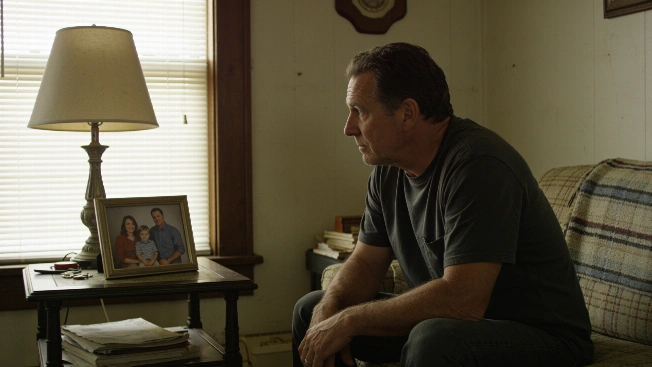
How Childhood Emotional Neglect Fuels a Lifelong Need for Approval
When a parent fails to offer unconditional love, a child may grow up chasing validation through risky or antisocial behavior, never feeling truly seen or valued

Stop Telling Everyone They Need Therapy—The Real Story Behind Art and the Unconscious
Therapy is everywhere, but is it right for everyone? Art may reveal what talk can't
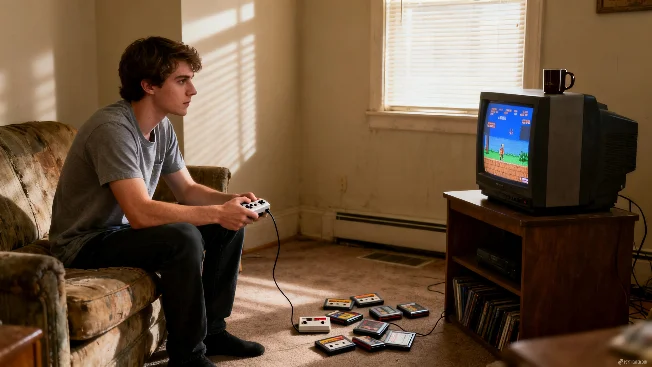
Still Playing Video Games After 25? What It Really Says About Your Mind
Adults who revisit childhood games aren’t just chasing fun—they’re seeking something deeper

How Emotional Upheaval Shapes Kids’ Lives—And What Most Parents Miss
When a child’s world is upended, emotions like anger and fear can take over fast

Who’s Actually Mentally Healthy in 'The Drama!'? A Psychoanalyst Breaks Down the Film
A psychoanalyst examines the mental health of the main characters in 'Вот это драма!' and reveals who truly copes with their inner conflicts.

TV Therapy Gone Wrong: The Real Risks Behind Dramatized Psychological Breakthroughs
Dramatic therapy scenes on shows like “Триггер” can mislead viewers about real-life risks
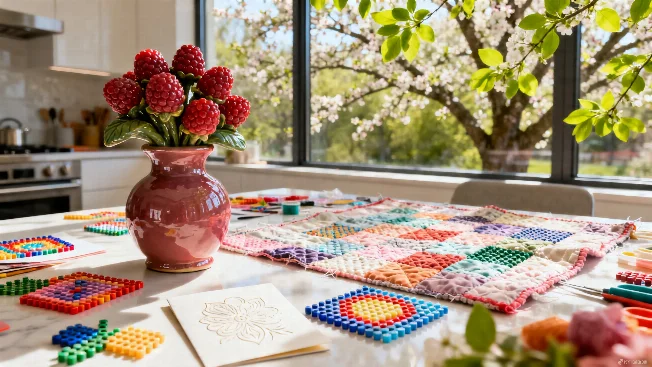
8 Creative Spring Hobbies That Bring Color and Warmth Into Your Life
Spring is the perfect time to try new creative hobbies that brighten your mood and home
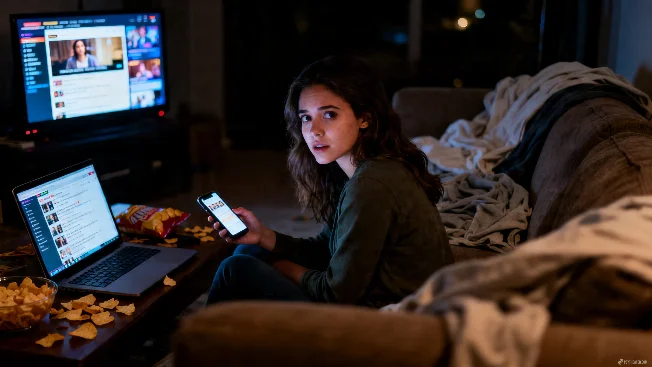
Is Modern Culture Trapping Us in Endless Consumption and Blurred Boundaries
Social media and entertainment trends are erasing limits, fueling emotional regression