

After 40, many hope a few minutes of daily planking will flatten their stomach. But how much core work is enough to see results without risking injury or burnout
The promise of a flatter stomach with just a few minutes of daily planking has become a popular hope for Americans over 40. The idea is everywhere: hold a plank for two minutes a day, and your core will tighten up. But does this shortcut actually work, and how much time should you really spend on core exercises to see visible changes—especially as your body changes with age?
Core training, especially planking, doesn’t directly burn belly fat. Instead, it strengthens the deep muscles that support your spine and posture. As those muscles get stronger, your midsection can look firmer and less distended, even if the scale doesn’t budge. According to Psytheater.com, the real benefit is in the way regular planking helps your body stabilize itself, which can reduce joint pain and improve how you move through daily life.
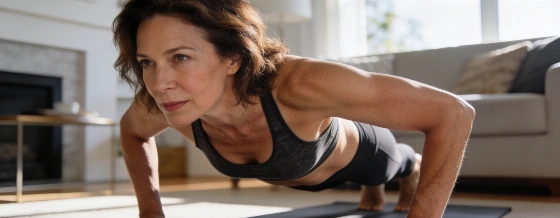
For people in their 40s and beyond, posture and muscle support become more important. Weak core muscles can lead to back pain, slouching, and a feeling of heaviness in the abdomen. Planking helps counteract these changes by training the body to hold a neutral alignment—feet, hips, and head in a straight line. This not only makes your stomach appear flatter but also supports your joints and reduces the risk of injury.
So how much is enough? Most physical therapists and trainers recommend starting with two minutes of planking per day, broken into manageable intervals. For example, four sets of 30 seconds with short rests in between. The key is consistency, not duration. Trying to hold a plank for as long as possible often leads to poor form and potential strain. Instead, focus on daily practice with good alignment. Once you can easily hold a plank for a minute, you can add variations—side planks, reverse planks, or dynamic movements—to keep your routine effective and prevent boredom.
Short, regular sessions are more sustainable than marathon workouts. Many people abandon long routines after a few days, but two to four minutes of focused core work can fit into almost any schedule. As you progress, you might try a six-minute routine with multiple plank variations, each held for 20 to 30 seconds. The most important factor is making it a daily habit. Research shows it takes about three weeks of consistent effort to form a new routine, so patience and persistence matter more than intensity.
Staying motivated can be tough, especially if you’re juggling work, family, and other responsibilities. That’s why experts suggest mixing up your core exercises and tracking your progress. If you’re looking for other ways to boost your energy and physical well-being in the morning, consider adding a quick movement routine—like the one described in this feature on energizing morning moves—to your day.
According to the Centers for Disease Control and Prevention, adults should aim for at least 150 minutes of moderate-intensity physical activity per week, including muscle-strengthening activities on two or more days. While planking alone won’t transform your body, it’s a valuable part of a balanced fitness plan. Consistent core work can improve stability, reduce pain, and help you feel more confident in your body as you age.
Core strength is a foundation for healthy movement and injury prevention. The plank is just one tool among many. Pilates, yoga, and functional strength training also target the deep muscles that support your spine and pelvis. For those with chronic pain or medical conditions, consulting a physical therapist or certified trainer can help tailor a safe, effective routine. The right approach is the one you can stick with—day after day, year after year.