A woman describes a year-long relationship with a man who lives in her home but avoids being seen together and admits he’s unsure about his feelings, raising questions about emotional boundaries and self-respect
For nearly a year, Lisa has shared her apartment with a man who won’t be seen in public with her. He eats her food, occupies her space, and lets her pay the bills, but when she asks if he loves her, he says he doesn’t know. According to Psytheater.com, this pattern is more common than many realize—and it leaves partners questioning their own judgment and self-worth.
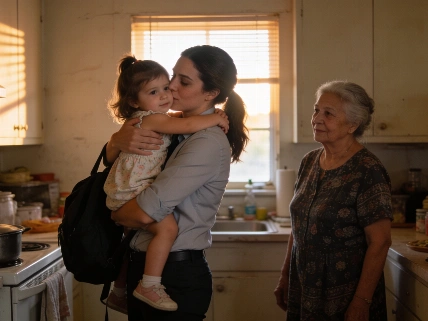
Lisa, divorced and raising a teenage son, met Mark while he was still legally married. His marriage, he claimed, was over in all but paperwork. He promised to file for divorce “any day now,” but only did so months later, after a fight. When they’re in their small town, Mark refuses to go to the store with her, saying he doesn’t want their sons—who are classmates—to face gossip. Yet he has no problem coming to her house for meals, always empty-handed.
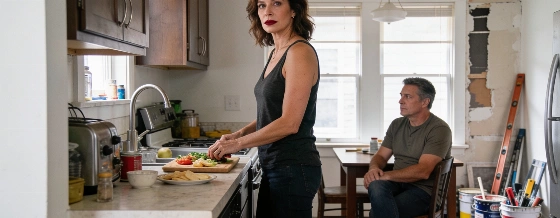
In the city, Mark lives rent-free in Lisa’s mother’s apartment, which needs repairs after water damage. Mark, a self-employed contractor, agreed to help but has dragged out the work for nine months. Lisa and her mother cover all expenses. Mark’s only contribution is his labor, which he withholds. Lisa feels awkward pressing him, but the imbalance gnaws at her.
Emotionally, Mark keeps his distance. He offers no affection, no warmth, and never says “I love you.” When Lisa asks how he feels, he replies, “I don’t know.” He tells her not to complicate things by asking for clarity, insisting they should just let things unfold. Lisa wonders if she’s being naïve, confusing pity for love, or if she’s simply being used for comfort and convenience.
Patterns of Avoidance
Mark’s reluctance to be seen with Lisa, his avoidance of responsibility, and his vague promises are classic signs of emotional unavailability. He benefits from Lisa’s support—housing, meals, sympathy—without offering commitment or reciprocity. This dynamic, sometimes called “relationship rental,” leaves one partner investing heavily while the other remains detached.
Lisa’s situation echoes stories from others who find themselves giving more than they get. As one analysis of emotionally draining relationships points out, partners who avoid responsibility often shift blame, resist clarity, and keep their options open. The result is a chronic sense of uncertainty and self-doubt for the more invested partner.
Lisa’s empathy for Mark—his health issues, his troubled marriage—may have deepened her attachment. But Mark is an adult making his own choices: he delays divorce, avoids repairs, and keeps Lisa at arm’s length. His actions, not his words, reveal his priorities.
Questions of Self-Respect
Experts suggest that when a partner consistently avoids commitment, hides the relationship, and resists emotional intimacy, it’s time to ask hard questions. How long are you willing to live in limbo? What are you actually receiving from the relationship today—not in some imagined future? If hope is the only thing keeping you invested, you may be clinging to an illusion.
Lisa’s fear that Mark will leave if she stops being “convenient” is understandable. But as therapists note, emotional absence is its own form of loss. A partner who hides you from the world but enjoys your resources is not building a future with you. He’s protecting his comfort zone.
Research from the American Psychological Association shows that emotional dependency and codependent patterns are linked to lower self-esteem and higher rates of anxiety and depression. Recognizing these patterns is the first step toward change. Setting boundaries, seeking support, and prioritizing your own needs can help break the cycle of one-sided giving.
Relationship experts emphasize that love is not just a feeling—it’s demonstrated through consistent action, respect, and mutual care. When one partner refuses to define the relationship or take responsibility, it’s rarely a sign that deeper commitment is just around the corner. Instead, it often signals a reluctance to invest emotionally or practically.
Attachment theory, widely studied in psychology, explains how early experiences shape our expectations in adult relationships. People with anxious or avoidant attachment styles may struggle to set boundaries or recognize when they’re being taken for granted. Therapy can help individuals identify these patterns and develop healthier ways of relating to others, fostering relationships built on mutual respect and genuine connection.