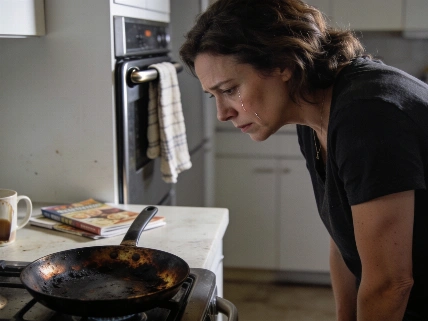
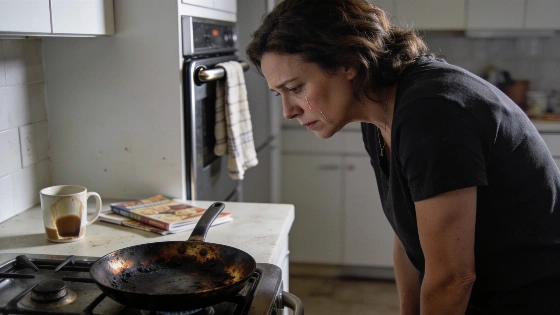
A woman faces her husband’s sudden mood swings and harsh criticism, feeling trapped by his dependence and her own guilt as his behavior grows more unpredictable
For many older couples, the routines of daily life can mask deeper shifts in a partner’s personality. When a spouse who was once steady and kind becomes irritable, critical, or even domineering, the change can feel both bewildering and isolating. According to Psytheater.com, these shifts often leave the other partner torn between compassion and self-preservation, especially when the person at the center of the storm seems unable to care for themselves.
One woman, 66, describes how her husband’s behavior changed almost overnight. What began as impatience over small household mishaps—like a burned dinner or a pet’s mischief—quickly escalated into harsh words and relentless criticism. She tried to suggest a separation, but guilt and his lack of basic self-sufficiency kept her from following through. The emotional toll, she says, is crushing.
Sudden changes in temperament or increased irritability in older adults can have many causes. Sometimes, it’s the pressure of aging, health worries, or accumulated stress. In other cases, it may signal the onset of a mood disorder, cognitive decline, or another mental health condition. While it’s tempting to dismiss these changes as “just a phase,” experts stress the importance of documenting specific behaviors and seeking a medical evaluation. Early intervention can make a significant difference, whether the solution is stress management, therapy, or medical treatment.
Recognizing the Signs
It’s not uncommon for partners to minimize or rationalize a loved one’s outbursts, especially when the relationship has lasted decades. But when criticism becomes constant, or when one partner feels emotionally “erased,” it’s time to take stock. Keeping a written record of changes—frequency, triggers, and impact—can help clarify the situation and provide valuable information for a healthcare provider.
Approaching the subject of mental health with a resistant spouse is rarely easy. Experts recommend starting with empathy, not accusation. For example: “I’ve noticed you seem more on edge lately, and it’s affecting both of us. Maybe we could talk to someone together.” Framing the conversation as a shared concern, rather than a personal failing, can lower defenses and open the door to help.
Sometimes, even gentle suggestions are met with denial or anger. In these cases, it may help to propose a single, non-committal visit to a doctor—no strings attached. If the partner refuses, avoid escalating the conflict. Instead, focus on your own well-being and seek support from friends, family, or a therapist. As explored in this analysis of emotional distance in long-term marriages, chronic criticism and withdrawal can erode even the strongest bonds over time.
Protecting Your Own Health
Living with a partner whose behavior has become unpredictable or emotionally abusive can lead to anxiety, depression, and burnout. It’s essential to set boundaries and prioritize self-care, even when guilt or loyalty makes that feel impossible. This might mean carving out time for activities that restore your sense of self, or seeking professional guidance to navigate the emotional fallout.
In some cases, couples therapy can help both partners understand the roots of their conflict and develop healthier ways of relating. But if the other person refuses to participate, individual counseling can still provide tools for coping and decision-making. Remember: your mental and physical health are not negotiable.
Recent studies show that nearly 20% of adults over 60 experience some form of mood or anxiety disorder, yet less than half receive treatment. Early recognition and intervention are linked to better outcomes, both for the individual and their family. If you notice persistent changes in a loved one’s mood, energy, or behavior, don’t wait for a crisis—reach out for help.
When a spouse’s personality shifts dramatically, it’s rarely just about household stress or aging. Underlying medical or psychological issues may be at play, and ignoring them can deepen the damage to both partners. Compassion is important, but so is action. Document what you see, speak up about your needs, and don’t hesitate to involve a professional. Your well-being—and your relationship—may depend on it.
Many people confuse normal aging with the onset of mental health conditions, but the two are not the same. Cognitive decline, depression, and anxiety can all present as irritability or personality change in older adults. The Mini-Mental State Examination (MMSE) and other screening tools are commonly used by clinicians to assess cognitive function and identify early signs of dementia or related disorders. If you’re concerned about a loved one’s behavior, ask their primary care provider about appropriate screening and next steps.