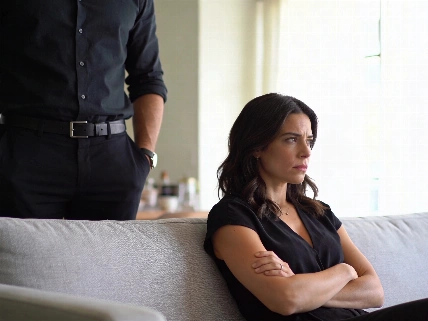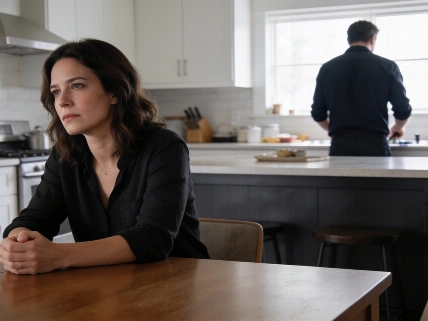
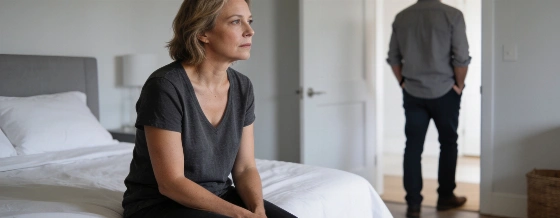
After 15 years together, a woman finds herself withdrawing from her husband, frustrated by his lack of warmth and emotional connection. A psychologist explains what happens when partners speak different emotional languages
Fifteen years into marriage, some couples find themselves drifting apart not because of a single crisis, but from a slow erosion of emotional connection. For many, the warning sign is a sudden loss of desire for intimacy—physical and emotional. According to Psytheater.com, this pattern often emerges after a period of intense stress or separation, when one partner returns home changed, but the other remains stuck in old routines.
Take the case of a woman who spent months away caring for her sick mother. When she returned, she found herself recoiling from her husband’s touch. She wanted comfort, affection, and gentle attention. Instead, she got the same reserved, practical support he’d always offered. He expected her to resume their old dynamic, but she felt invisible, her needs misunderstood. The more she tried to explain, the more he seemed to retreat into silence or focus on home repairs and work. She began to question whether their marriage had run its course.
This is not uncommon. In long-term relationships, partners often develop different “languages of love.” One may show care through acts of service or financial stability, while the other craves words, touch, or shared time. When these signals go unrecognized, resentment builds. The partner who feels neglected may start to detach, sometimes even feeling relief at the thought of independence. The other, confused by the change, may double down on what’s familiar, missing the point entirely.
Psychologists urge couples in this situation to get specific about what they need. Vague requests for “more emotion” rarely land. Instead, describe what affection looks like to you: a hug after work, a shared meal, a simple check-in text. Ask your partner what makes them feel loved. Sometimes, as in the story of a husband who felt overwhelmed by his wife’s need for constant reassurance—a dynamic explored in this related article—the gap is not about love, but about mismatched expectations and unspoken fears.
It’s also important to ask yourself hard questions. If your partner did change, would you want to reconnect? Or has the relationship become so burdened by fatigue and old hurts that you’re ready to move on? Honest answers can clarify whether you’re facing a temporary crisis or a deeper incompatibility. Sometimes, the willingness to have a new kind of conversation—one that acknowledges how both of you have changed—can mark the start of a more mature, resilient partnership.
Recent research from the American Psychological Association shows that nearly 40% of long-term couples report periods of emotional distance, especially after major life stressors. However, couples who seek therapy or intentionally rebuild emotional habits are significantly more likely to regain intimacy and satisfaction. The key is not just to endure, but to adapt—together.
Relationship counseling, especially approaches like Emotionally Focused Therapy or couples-based narrative work, can help partners identify and bridge these emotional gaps. These methods focus on translating each person’s needs into concrete actions and building new patterns of connection. Even if only one partner is willing to start, small changes in communication and daily rituals can shift the dynamic. The process is rarely quick, but for many, it’s the difference between growing apart and growing together.