When a husband’s drinking spirals into aggression and denial, the fallout hits every corner of family life. A psychiatrist explains why leaving feels impossible and what it takes to break the cycle
One night, the shouting starts. The next morning, there are flowers on the table. For eight years, the cycle repeats. Broken promises. Doors slammed. Trust shattered. Still, the pull to return never fully disappears. For many women, the real threat isn’t just the alcohol. It’s the chaos that follows—the violence, the threats, then the sudden tenderness. Kids watch it all. Fear and hope mix in the same room.
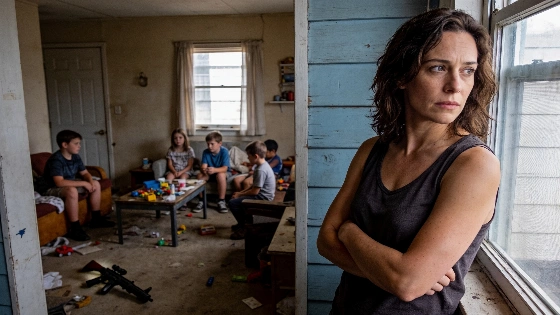
Why is it so hard to walk away? Psychiatrist Dr. Steven Franklin calls it codependency. In these homes, the alcoholic’s moods set the tone for everyone. The partner’s own needs fade. Even the children’s safety can slip out of focus. The house might belong to a relative, but addiction rules every corner.
According to the CDC, in 2024–2025, alcohol problems were present in 18.2% of violent deaths across all 50 U.S. states, and intimate partner problems in 24.9%, highlighting how often alcohol and partner conflict coincide with severe family violence.
Alcohol use disorder is a medical issue. It’s not about morals. But when the drinker denies the problem, the family walks on eggshells. Aggression and threats can break out at any time. Sometimes, the violence happens in front of the kids. The next day, the abuser might act like nothing happened. Or they might apologize and bring gifts. This isn’t just tiring. It’s dangerous. Psytheater.com reports that the longer this cycle drags on, the harder it is to leave. The CDC’s latest numbers show the risk is real. Alcohol and partner conflict show up again and again in violent deaths. Families pay the price when addiction and denial take over. The details are in the CDC MMWR report.
Money and housing make things worse. If the home belongs to the partner’s family, the threat of being kicked out hangs over everything. Even after divorce papers are filed, doubt creeps in. Some women miss the chaos. Others worry about moving their kids. The fear of the unknown can freeze any plan to leave. Change feels risky. The old pain feels familiar.
Kids notice everything. They learn what love looks like by watching their parents. They see how anger explodes and how forgiveness is handed out. Years of living with aggression and emotional swings shape their idea of family. The scars aren’t always visible. But they last. As related reporting shows, the urge to go back often comes from habit, fear, and the hope that things will finally get better.
The UK government highlights that children living with a parent who has alcohol or drug problems are at increased risk of poor health and wellbeing outcomes, especially when parental substance use is combined with family conflict.
There’s no easy fix. Dr. Franklin says the first step is safety. Find a place to stay. Gather your documents. Make a plan for money. If there are threats or violence, take them seriously. Call support services before you act. Waiting for the alcoholic to change rarely works. Real treatment is possible, but only if the person wants help. No amount of pleading can force sobriety.
Gifts and apologies don’t erase the damage. Addiction left unchecked can wreck health, jobs, and families. But the top priority is the safety of the kids. Divorce isn’t failure. Sometimes, it’s the only way to find peace. At 31, there’s still time to start over. Leaving a destructive relationship isn’t the end. It’s the start of something better. The hardest part is letting go of the hope that things will go back to how they were. Real change starts with refusing to accept pain as the cost of love.
Codependency is a tangled pattern. One person’s sense of self gets lost in another’s chaos. In families with addiction, it’s hard to set limits or put your own needs first. Recovery takes work. Therapy helps rebuild self-worth and spot unhealthy habits. Books like “Codependent No More” and “Why Does He Do That?” dig deeper into these issues. But for real change, professional help is often needed.