
A 16-year-old faces crushing loneliness after his parents’ divorce and the sudden absence of loved ones. A psychologist explains why these losses hit so hard and what steps can help teens survive the emotional fallout
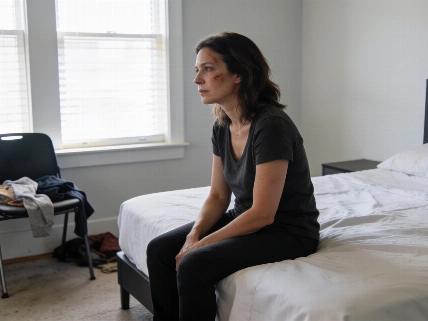
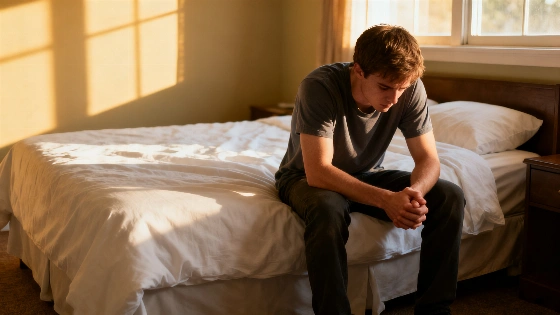
Alex, 16, watched his world shrink in a week. His girlfriend broke up with him. His mom left for a long trip. His dad and grandmother stopped calling. The silence was heavy. He felt invisible. He wondered if anyone cared if he kept going.
Why does this kind of loneliness cut so deep? Dr. Elena Gorinova, a psychologist who works with teens, says it’s not just one thing. Divorce splits more than parents. It shakes a teen’s sense of safety. Even at 16, when people expect you to act grown, losing family structure can feel like a slow death. The pain isn’t just about missing people. It’s about losing the story you thought you had.
According to a 2025 World Health Organization report, about 1 in 6 people worldwide experience loneliness, with the rate among adolescents aged 13–17 reaching nearly 21%.
When parents split, teens often get left alone with the fallout. Adults might think, "He’ll get over it, he’s old enough," or "Everyone deals with this." But most parents don’t sit down and talk about the grief, the anger, or the fear of what’s next. Teens like Alex start to see silence as rejection. Absence feels like proof they’re not worth the effort. Stress twists every event into a sign of being left behind.
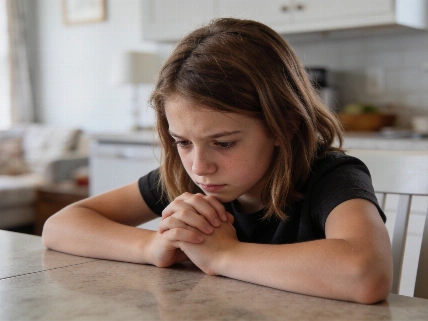
Normal teenage chaos makes it worse. Teens want support but also want space. That push and pull can turn into a crisis. The brain, stuck in survival mode, grabs the harshest answer. Mom left because she’s done with me. Dad doesn’t call because I don’t matter. Even a missed call stings. It feels like proof you’re unwanted.
Research discussed on WBUR's On Point highlights that estrangement between parent and child is not uncommon, with estimates suggesting about 10% of families experience such distance, and the rate for fathers rises to 26% over a decade.
Psytheater.com reports these patterns show up in many families. The logic is brutal. When you hurt, your mind hunts for reasons. The simplest answer is often the hardest. Adults get trapped in this too. After losing a parent, many fall into the same cycle, as described in recent coverage.
How do you break out? Dr. Gorinova tells teens not to shut down. Reach out. Call a crisis line. Talk to a school counselor. Write in a journal. Any step can break the spiral. You don’t have to fix everything at once. Just don’t let pain write your story. Even a short call to a parent can help. Visiting a grandparent, offering to help, or saying how hard things feel can start to rebuild lost connections.
Changing the story matters. If a friend told you this pain, would you say they’re worthless? Or would you remind them they matter, that the pain is real but not forever? Show yourself that same care. It’s not self-indulgence. It’s survival. Divorce and loss leave deep wounds. But they don’t have to be fatal. Loneliness hurts because you care. It means you’re still reaching for love, even when the world feels empty.
What jumps out in these stories isn’t just pain. It’s the stubborn hope that things can shift. Even when family ties feel broken, even when friends vanish, reaching out—no matter how small—can change things. You are needed. Even if the people you want most aren’t there right now. That need starts with you. Sometimes, that’s enough to keep going until life opens up again.
People often mistake teen loneliness for moodiness or acting out. But it goes deeper. The teenage brain needs connection. When those bonds break, the pain can look like depression or even lead to thoughts of self-harm. It’s important to know the difference between normal sadness and a crisis that needs help. Trusted adults, therapy, and peer groups can help teens rebuild after loss. Healing takes time. But with patience and the right support, teens can find their way back to belonging.
Recent research in BJPsych Open found up to 15% of adolescents aged 10–19 feel lonely. This state is closely tied to worse health. The CDC’s 2023 Youth Risk Behavior Survey in the U.S. reported 40% of high school students felt persistent sadness or hopelessness. One in five seriously considered suicide. The need for support is urgent.