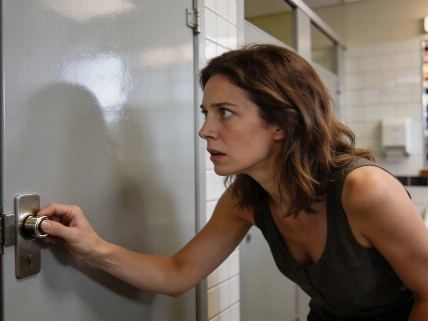

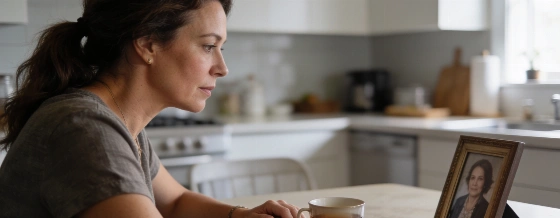
As friends and loved ones pass away with age, many older adults face a shrinking social circle and a growing sense of isolation that can sap motivation and joy from daily life
When the phone stops ringing and familiar names disappear from your contacts, the quiet can feel overwhelming. For many older adults, losing close friends and neighbors isn’t just a momentary sadness—it’s a slow, steady loss of daily connection that leaves an empty space where community used to be. The grief is for the people themselves, but also for the routines, laughter, and sense of belonging that vanish with them.
Each loss adds to the last, making the pain heavier. Memories replay in your mind—old conversations, shared moments—while life outside seems to keep moving. Some people can’t bring themselves to delete a friend’s number or social media profile, as if that digital trace is the last link. The result can be a kind of emotional standstill: grocery shopping feels pointless, favorite books gather dust, and even small pleasures lose their appeal.
According to the World Health Organization, about 15.8% of people aged 13 and older worldwide experienced loneliness between 2014 and 2023, meaning roughly one in six individuals faced this challenge.
Psychotherapist Dr. Mark Preston, who works with grief and aging, says it takes time to internalize a lost relationship. The mind has to slowly turn a living bond into an inner presence—a memory that brings comfort instead of pain. Trying to rush this rarely helps. Instead, talking about the person with mutual friends, writing down memories, or reflecting on what you learned from them can help keep their influence alive in your daily life.
Long friendships shape our habits and choices in ways that linger even after someone is gone. Noticing these echoes—a phrase you still use, a recipe you cook, a value you hold—can soften the sting of absence. But if grief drags on for months, draining your energy and making even basic tasks feel impossible, it may be more than ordinary sadness. This isn’t a sign of weakness. If you find that your favorite activities no longer bring any pleasure, or you struggle to get out of bed, it’s time to reach out to a mental health professional.
A 2026 study in Frontiers in Public Health found that loneliness among older adults is linked not only to sadness, but also to lower quality of life and reduced life satisfaction, highlighting the broad impact of social isolation on well-being.
Later life can also be a time to reclaim old dreams. Sometimes, losing old anchors makes room for new experiences—maybe picking up a hobby you once set aside, traveling somewhere new, or simply letting yourself want something again. As others have shared, grief doesn’t have to mean the end of joy, but it does require patience and self-compassion.
For those looking for guidance, several books offer practical advice: Valery Novoselov’s “Golden Rules for the Silver Age” gives tips for staying active after 60; Sasha Galitsky’s “Don’t Be Afraid! How to Grow Old Without Losing Your Mind” addresses the emotional side of aging; and Pilar Sordo’s “Age: Instructions for Use” explores the psychological changes that come with each decade. These resources can help reframe aging as a stage with its own possibilities and meaning.
What comes through in these stories isn’t a formula for happiness, but an acknowledgment that loneliness in later life is real, and grief is a process, not a problem to fix. Losing friends hurts, but it doesn’t erase the impact those relationships had. With time, support, and sometimes professional help, it’s possible to find new routines and new sources of connection. The challenge is to honor what’s gone without letting it overshadow what remains.
Gestalt therapy, mentioned by Dr. Preston, is a form of psychotherapy that focuses on awareness, present-moment experience, and weaving past relationships into your current sense of self. Instead of just treating symptoms, Gestalt therapists help clients notice patterns in their thoughts, feelings, and behaviors, especially around loss and change. This approach can be especially helpful for older adults dealing with the complex emotions that come with aging, bereavement, and shifting social roles.
Recent data from the CDC and NCHS show that between August 2021 and August 2023, symptoms of depression were found in 8.7% of U.S. adults aged 60 and older, while the rate for everyone aged 12 and above was 13.1%. In April 2026, a survey by the American Psychiatric Association found that 42% of U.S. adults reported feeling lonely at least once a week. A 2024 JAMA study reported that 33.4% of adults aged 50–80 living in communities sometimes or often felt a lack of companionship, a notable increase from 2018. These findings show how common loneliness and depression are among older adults and highlight the importance of seeking support when needed. For more details, see the CDC/NCHS depression statistics and the JAMA loneliness study.
Bereavement is also a well-known risk factor for depression, and its impact grows with age, as described in a 2026 article in European Psychiatry. This link between loss and mental health further underscores the need for compassionate support and targeted help for older adults facing grief and isolation.