
A woman’s panic attacks began after being locked in a restroom with no phone or way out. A psychotherapist explains why panic spirals can take hold and what actually helps break the cycle
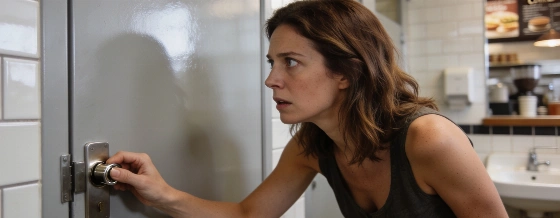
Your heart is pounding. The walls seem to close in. You’re stuck—literally—in a restroom stall, the lock jammed, no phone, no way to call for help. For one woman, this wasn’t just a bad night out. It was the moment panic attacks took hold, showing up again and again, long after someone finally opened the door.
How does a single moment of helplessness turn into a lasting fear? Clinical psychotherapist Dr. Mark Preston explains that the body’s alarm system is ancient and automatic. When escape feels impossible, adrenaline surges, readying you to survive. But the mind doesn’t always file the memory away as a fluke. Instead, it links the fear to the setting—small spaces, locked doors, even being alone without a phone. The next time you step into an elevator or a stairwell, your body remembers, and panic can hit before you have time to think.
For a clinical diagnosis of a panic attack, medical guidelines typically require a sudden peak of symptoms within minutes and at least 4 out of 13 characteristic symptoms, such as palpitations, sweating, or shortness of breath.
Afterward, avoidance quietly takes over. You start skipping elevators, avoiding public restrooms, making excuses to stay away from anywhere that feels confining. Each time you dodge a trigger, your brain learns: these places are dangerous. The more you avoid, the more anxious you become. This is classic agoraphobic avoidance, and it’s more common than most people think. Clinical sources describe panic disorder as repeated, unexpected panic attacks, often with agoraphobia—meaning you avoid places where escape might be hard, like elevators, tunnels, public transport, or big venues, as detailed in the FDA medication label.
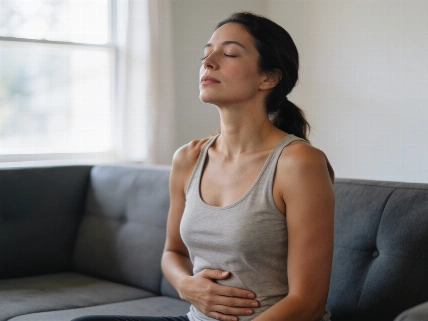
Breaking the cycle means facing the fear, but not by forcing yourself through it. Dr. Preston suggests three steps. First, focus on your breath. A slow, steady exhale—twice as long as your inhale—can help interrupt panic. Second, don’t fight the wave. Trying to suppress a panic attack usually makes it worse. Instead, remind yourself that the surge will peak and pass, often within 20 minutes. Third, get support. Psychotherapy, especially gestalt therapy or cognitive behavioral therapy, can help untangle the learned fear and build new habits. NHS guidelines list talking therapies as a main treatment for panic and related anxiety, and in urgent cases, people in the UK can reach emergency psychiatric help through NHS 111 or crisis lines.
Cognitive behavioral therapy is considered the gold standard for panic disorder and agoraphobia, with gradual exposure to triggers and reduction of avoidance behaviors being key to restoring daily functioning.
Panic isn’t just about symptoms. The aftermath—shame, frustration, feeling “broken”—can be just as hard. As reported earlier, a single traumatic event can ripple through relationships, work, and daily life, leaving people isolated and misunderstood. Hiding the problem only deepens that isolation.
What actually helps is the opposite of what feels safe: exposure, not avoidance. Each time you enter a feared space and stay until the anxiety fades, you teach your brain the threat isn’t real. Over time, panic loses its grip. But progress isn’t always steady, and setbacks happen. The important thing is to keep at it, get support, and be willing to face discomfort for the sake of freedom. Medical reviews note that agoraphobia is often triggered by places like public transport, shopping centers, bridges, tunnels, theaters, or simply being far from home, which is why tackling avoidance matters.
Pop psychology often reduces panic attacks to “just breathe” or “think positive.” The truth is more complicated. Panic is a full-body event, rooted in biology and shaped by experience. Real progress comes from understanding how it works, challenging avoidance, and getting skilled help when needed. The goal isn’t to erase fear, but to reclaim control—one locked door at a time.
Panic disorder isn’t the same as everyday anxiety. It brings sudden, intense fear that peaks within minutes, often with physical symptoms like chest pain, dizziness, or shortness of breath. Medication can help some people, but therapy—especially exposure-based approaches—is still the main treatment. Early help can stop the spiral into chronic avoidance and restore a sense of safety. Fluoxetine is officially approved for treating panic disorder, with or without agoraphobia, in adults, as confirmed by the DailyMed FDA label.