After a sudden medical emergency, one woman found herself haunted by the fear of dying alone and helpless. A psychoanalyst explains why this fear can linger and how to start reclaiming a sense of safety.
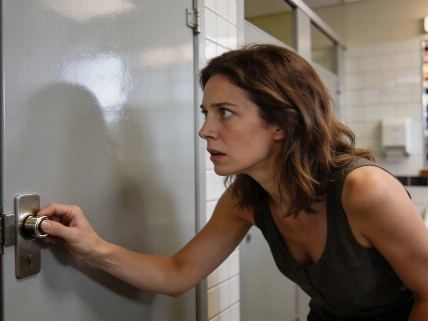
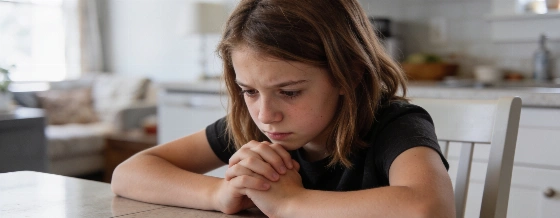
The pain from a medical emergency fades, but the fear of being left alone with it can stick around. For some, a single health crisis is enough to turn daily life into a series of anxious calculations. The fear isn’t vague—it’s the image of choking in your kitchen, unable to call for help, convinced no one will come. That kind of fear can settle in, changing how you move through your home, how you eat, even how you breathe.
Emily, 30, went through this after a kidney stone attack. The physical pain passed, but she was left with a new anxiety: What if it happened again and no one cared enough to help? The lack of support she felt from family and medical staff left a mark deeper than the pain itself. In a city full of people, she realized, you can still feel completely alone.
Panic attacks can mimic life-threatening emergencies, with symptoms like rapid heartbeat, shortness of breath, dizziness, and a sense of losing control, often leading people to believe they are dying.
That sense of abandonment doesn’t just fade away. Clinical psychoanalyst Dr. Anna Simon explains that being left to handle a real emergency alone can trigger a deep, old fear—one tied to our earliest need for help. When support fails, the mind replays the danger, trying to find a way to change the ending. But the body remembers, and the fear of helplessness can show up in daily routines, especially around eating or breathing.
Underneath it all is a loss of trust—not just in other people, but in the world as a safe place. The mind, trying to protect itself, starts focusing on worst-case scenarios. You might know, rationally, that help is available. But your unconscious keeps sounding the alarm, convinced you’ll be left alone again. This isn’t just anxiety; it’s a trauma response, and it doesn’t always respond to logic.
Physical vulnerability reminds us how little control we really have. The fear of choking or suffocating isn’t just about the act itself—it’s about losing control over your own body, and the worry that no one will notice until it’s too late. For many, these fears echo early childhood moments of feeling unseen or unheard, even if those memories are buried.
Clinical materials on emetophobia and panic states highlight that the fear of vomiting, choking, or illness can lead to avoidance of food and situations where a person fears being left without help. Such conditions require specialist assessment if they interfere with daily life.
So how do you start to take your life back from this kind of fear? First, try grounding yourself in the present. When panic rises, focus on what’s around you: the feel of the table, the weight of your body in the chair, the sounds in the room. This practice, called grounding, can help pull you back to reality when your mind starts to spiral.
Second, pay attention to your breath. The fear of suffocation goes straight to your sense of safety. Practicing slow, steady breathing when you’re calm can help retrain your body’s reaction to stress. Over time, these exercises can loosen anxiety’s grip and help you feel more in control.
Third, address the loneliness at the heart of the trauma. Build a small circle of people you trust—even one or two is enough. If you feel safe, let them know about your fears. Just knowing you have someone to call in an emergency can make a real difference. And don’t overlook your own company. Finding meaning in your interests, remembering times you’ve gotten through hard moments, and noticing your own resilience can help rebuild a sense of safety from within.
Feeling abandoned during a crisis isn’t rare. Many people struggle with lingering grief or guilt after loss, as seen in other cases reported earlier. The common thread is the struggle to process pain when support is missing or falls short.
Self-compassion matters here. Blaming yourself for your fear only makes things harder. Instead, treat yourself with the patience you’d offer a friend. If the fear won’t let go, professional therapy—whether psychoanalytic or cognitive-behavioral—can offer the structure and support needed to work through the trauma. Reaching out for help isn’t weakness; it’s a step toward moving forward.
Living with the fear of dying alone is heavy, but it doesn’t have to define your life. Healing isn’t quick or straightforward, but every bit of understanding you gain about your own mind is progress. The goal isn’t to erase fear, but to learn how to live with it—without letting it run your life.
Grounding techniques are a key part of trauma recovery. They help shift your focus from distressing thoughts to what’s happening right now, breaking cycles of panic and dissociation. Over time, grounding can help your nervous system respond more calmly to triggers, making it a useful tool for anyone dealing with anxiety rooted in past trauma.