
Death and Loss of a Loved One
18 articlesContent should avoid forcing a timetable or a universal “stages” model. Good articles explain grief reactions, complicated grief, support systems, rituals, memory, practical decisions, and signs that a person may need professional help because grief has become dangerous, isolating, or unbearable.
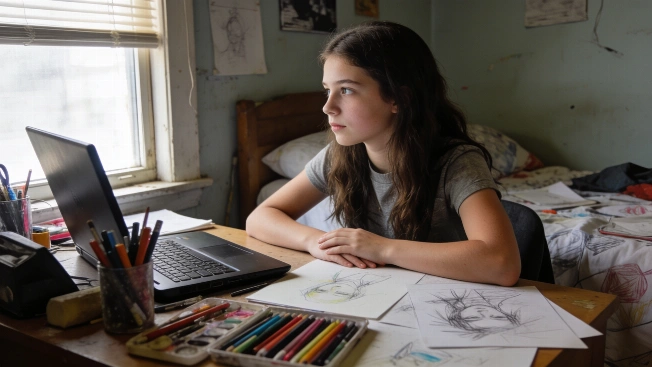
Losing Everything at Once: How Sudden Upheaval Shakes Your Identity
When a breakup, job loss, and digital disasters hit all at once, the fallout can leave you numb and unmoored. A psychologist explains why your mind stalls and how to rebuild after multiple losses.

Grief That Will Not Let Go After Losing a Parent
Two years after her mother’s death, a young woman still feels trapped by guilt and longing, unable to move forward or find relief from the pain.
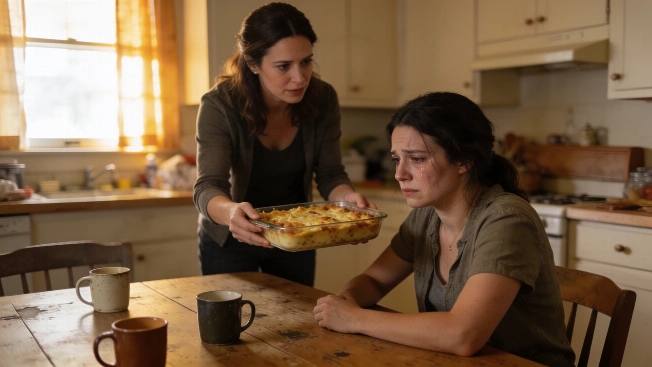
Telling Friends to Ask for Help Backfires When They Need You Most
Saying you are there for a struggling friend may sound supportive but often leaves them feeling more isolated. Psychologists warn that vague offers rarely lead to real help and can damage trust during crisis.

When a Close Friend Suddenly Cuts You Off After Years Together
A woman’s best friend blocks her on her birthday after 11 years of daily contact, leaving her confused and searching for answers about what went wrong
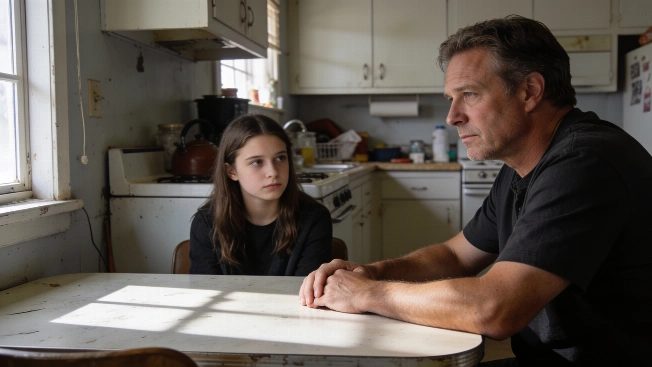
When Divorce and Loss Leave You Feeling Utterly Alone
A father faces the collapse of his marriage and the sudden loss of both parents, struggling to stay connected with his daughters while navigating deep loneliness

How Fear of Attachment After Loss Can Sabotage Relationships
A young woman finds herself pushing away healthy partners and clinging to unavailable men, all rooted in childhood grief. Experts explain why insight alone rarely breaks the cycle and what actually helps
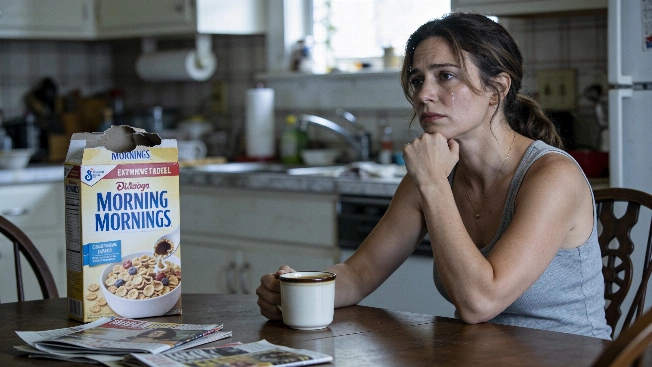
Most Resilient People Don’t Bounce Back Fast - They Do This Instead
Resilience isn’t about staying upbeat or recovering overnight. It’s about facing pain, accepting loss, and still showing up for life—often with help from small daily habits and a strong support network

When Family Feels Like a Trigger: Coping With Loss and Abuse
A young woman faces family tension, partner violence, and the grief of losing a child, pushing her to consider leaving everything behind for a fresh start
Stuck in a Cycle of Bad Luck: When Life Feels Like Too Much
Financial setbacks, family conflict, and health scares can pile up fast. Here’s how to cope when it feels like everything is going wrong at once

When a Friend Shuts Down After Loss: Should You Push or Step Back
After a sudden loss, some people withdraw and resist conversation. Friends often feel helpless, unsure whether to reach out or give space, risking further isolation

When Your Partner’s Disappearance Reveals a Life Built on Lies
A woman discovers her partner’s secret marriage only after he goes missing during military service, leaving her to question her reality and sense of self

Dreaming of a Parent You Resented in Life: What Nighttime Conversations Reveal
Many people find themselves talking calmly with a difficult parent in dreams

When Your Partner Goes to Prison: Surviving the Shock and the Grief
A young woman faces her boyfriend’s seven-year sentence and the emotional fallout that follows

Facing Life After Losing Fertility at 32: How to Rebuild Your Identity
A psychologist explains how to process grief after losing fertility and find new meaning

How the Word 'Miscarriage' Deepens Grief and Shapes the Experience of Loss
The language used around pregnancy loss can intensify guilt, shame, and isolation for women
When Your Only Child Has a Disability: The Silent Weight Mothers Carry
Mothers of only children with disabilities face a unique, isolating burden that rarely gets discussed

Why Life Falling Apart Sometimes Leads to Something Better
Job loss, divorce, illness, or family fights can shatter your world—yet growth often starts here
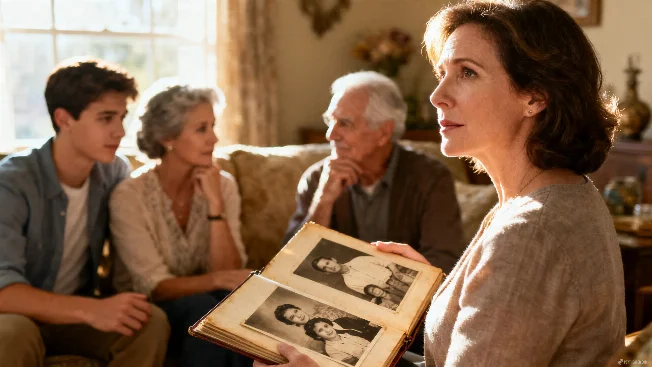
How Family Remembrance Days Shape Identity and Emotional Resilience
Rituals of remembrance do more than honor the past—they impact identity and emotional health