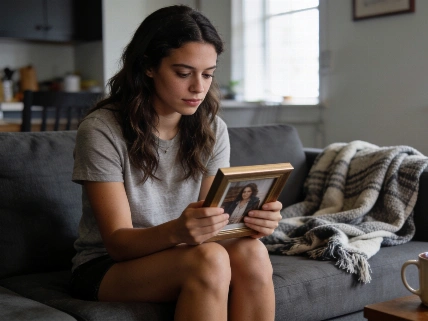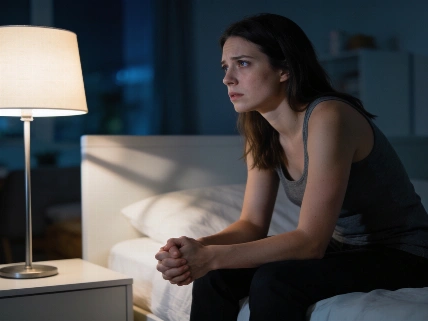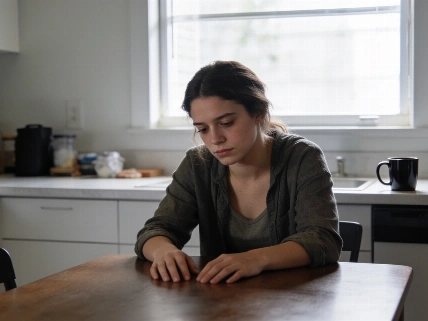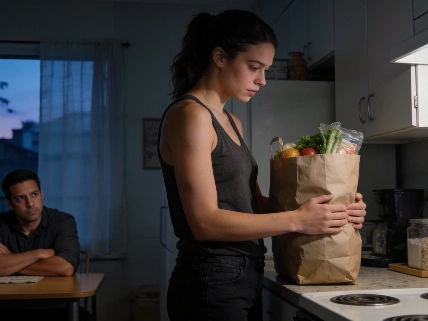


A young woman faces family tension, partner violence, and the grief of losing a child, pushing her to consider leaving everything behind for a fresh start
For some, family is a source of comfort. For others, it’s a constant source of friction. At 23, Emily finds herself caught between a family that grates on her nerves and a partner whose actions have left deep scars. She’s lost a child, endured physical violence, and now feels the urge to disappear—maybe even move to another country—just to escape the pressure.
Emily’s relationship with her father has always been distant. He was absent for most of her childhood, only stepping in when she announced plans to move abroad with her boyfriend. That sudden involvement, after years of silence, stirs up old resentment. The urge to break away grows stronger each time her family’s words or laughter set her on edge. Yet, even as she recognizes the pain her boyfriend has caused—his distrust, the arguments, the physical aggression—she admits feeling more at ease with him than with her own relatives.
Physical abuse in a relationship is never a minor detail. It’s a red flag that can’t be ignored, no matter how much warmth or comfort exists in quieter moments. According to Psytheater.com, the urge to choose between family and a partner often intensifies under stress, but decisions made in crisis rarely lead to lasting relief. The real challenge is to separate what you want from what you’re running from.
Emily’s discomfort at home is real. Her family’s habits, their way of interacting, even their laughter, feel alien to her now. That’s not a sign of failure as a daughter—it’s a sign of growing into her own person. Living with parents as an adult can highlight differences that were easier to ignore as a child. But the comfort she feels with her boyfriend is complicated by the trauma he’s caused. She understands why her parents object to the relationship, even as she weighs the possibility of leaving everyone behind.
It’s easy to frame the choice as “him or them,” but these are different relationships, each with their own risks and rewards. The question isn’t just who to live with, but what kind of life feels safe and meaningful. Would she choose her boyfriend if her parents were supportive? Or is the urge to leave about escaping pain, not building something new?
Sometimes, the desire to move far away is less about adventure and more about avoiding what hurts. Before making a drastic change, it’s worth asking: What do I want for myself, apart from anyone else’s expectations? Where do I feel safe? What kind of future am I willing to work for?
Support is available. National hotlines and crisis centers offer help to women facing violence and loss. And for those who grew up with complicated family dynamics, resources like navigating family tension as an adult can provide perspective on why old wounds still sting.
In the U.S., the National Domestic Violence Hotline (1-800-799-7233) and the National Suicide Prevention Lifeline (988) are available 24/7. According to the CDC, nearly 1 in 4 women have experienced severe physical violence by an intimate partner. Early intervention and support can make a critical difference in recovery and future well-being.
Schema therapy, mentioned in Emily’s story, is a form of psychotherapy that focuses on identifying and changing deeply rooted patterns developed in childhood. It’s especially useful for people who struggle with long-standing relationship issues, emotional triggers, or self-destructive cycles. By working with a trained therapist, individuals can learn to recognize unhealthy schemas and build healthier ways of relating to themselves and others.