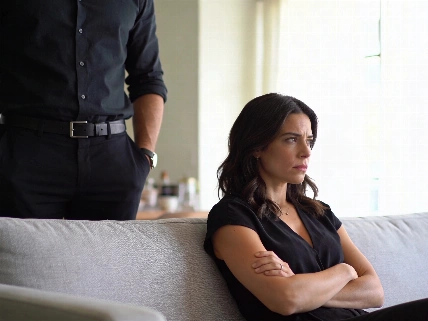

Sexist jokes, private photos shared at parties, and subtle discomfort can be early warning signs in relationships. Learn how to spot these 'orange flags' before they escalate into real harm
Between the obvious warning signs—what most people now call red flags—and the reassuring behaviors that make us feel safe, there’s a wide gray area in relationships. These are the moments that don’t quite cross the line into outright abuse or harassment, but still leave you uneasy. Psychologists refer to these as orange flags: ambiguous, low-level behaviors that, if ignored, can set the stage for control, harassment, or even violence down the road. According to Psychology Today, these amber signals often show up long before any major incident, but they’re easy to dismiss as jokes, quirks, or social awkwardness.
Orange flags aren’t just about personality differences. Someone who’s more outgoing or playful than you isn’t automatically a problem. The real issue starts when a behavior steps outside the boundaries of a healthy relationship—when it sparks fear, shame, or repeated discomfort, even if nothing “serious” has happened yet. Context matters: the age of those involved, their vulnerability, and the power dynamic all shape how these behaviors land. A single off-color joke isn’t the same as a pattern of put-downs aimed at the same person.
Spotting orange flags early is tricky. To help, psychologists suggest three quick tests. First, ask yourself: “If this happened to me or someone I care about, would it feel okay?” Imagining your best friend or sibling in the same situation can clarify whether something is truly harmless. Second, consider how a trusted person would react if you described the event. Would they shrug it off, or would they be concerned? Third, examine your own discomfort. Is it just social anxiety, or did someone make a sexualized comment about a coworker, isolate a friend, or ridicule a partner in public? This kind of self-check helps separate personal shyness from genuinely problematic behavior.
When you notice an orange flag, the research on bystander intervention is clear: do something, even if it’s small. Being an active bystander doesn’t mean calling someone out in front of a crowd. Subtle actions can be just as effective. For example, asking, “What do you mean by that?” forces the person behind a sexist joke to explain themselves. Stating your discomfort—“That’s not okay”—or adding, “Remarks like that can make people feel unsafe around us at night,” can shift the group dynamic. Using “I” statements, like “I felt uncomfortable when you said that, and I don’t want to hear it again,” keeps the focus on your experience. Positive nudges—“Come on, you’re better than that”—can also work, as seen in campaigns like Be the Hero! that encourage young men to challenge their peers.
Practical examples help: “As your friend, I need to tell you that showing everyone the private photos your girlfriend sent you isn’t acceptable, and it could get you in serious trouble.” Or, “That joke made me uncomfortable, let’s not go there.” Sometimes, a private conversation later—“What you said earlier bothered me, can we talk about it?”—is more effective than a public confrontation. The city of London’s Maate campaign even introduced a code word for friends to use when stepping in against sexism or misogyny. If direct confrontation feels risky, a follow-up message can set boundaries without escalating the situation. By intervening at this stage, you send a clear signal: harassment, misogyny, and violence aren’t just “part of the game.”
Recognizing these subtle patterns isn’t about overreacting or policing every awkward moment. It’s about understanding how small behaviors can accumulate and create an environment where bigger problems take root. As setting boundaries with manipulative people can protect your mental health, addressing orange flags early can help keep relationships safe and respectful.
According to the National Coalition Against Domestic Violence, nearly 1 in 4 women and 1 in 9 men in the U.S. experience severe intimate partner violence in their lifetime. Early intervention—whether by speaking up, seeking support, or setting boundaries—can disrupt the escalation from subtle disrespect to real harm. Many organizations now train people to recognize and respond to these early warning signs, emphasizing that prevention starts with everyday actions and conversations.
In therapy and relationship education, the concept of “orange flags” is gaining traction as a way to talk about the space between healthy and unhealthy dynamics. Unlike red flags, which often signal immediate danger, orange flags are about patterns and context. They invite us to pay attention, reflect, and act before things spiral. This approach is especially relevant in workplaces, friend groups, and families, where the line between banter and harm can blur. By learning to spot and address these signals, people can build stronger, safer connections—and help others do the same.