
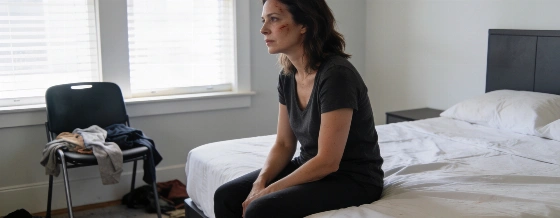
Nineteen years of marriage, repeated betrayals, and now a husband obsessed with a younger woman at work. A psychologist lays out how to keep your dignity and sanity when everything falls apart.
When someone betrays you, the urge to hit back can take over. If your husband falls for someone else—especially a younger coworker—the pain cuts deep. It’s not just heartbreak. It’s a raw, physical urge to get even. The idea of revenge is tempting, but it rarely helps. Acting on it usually makes things worse. Dignity gets lost in the mess.
Nineteen years together. Kids. A shared life. When your partner’s heart wanders, it’s not just cheating. It’s the end of the future you counted on. The pain stacks up: trust gone, stability gone, the family you pictured shattered. Some people try to wait it out, thinking patience will fix things. But when it keeps happening, pain turns into loneliness. The “wise wife” act becomes a trap. The part of you that wants to be chosen and loved gets ignored.
According to official German statistics, the number of dissolved life partnerships is tracked annually, providing insight into the dynamics and consequences of long-term relationship breakdowns.
Wanting revenge isn’t about being cruel. It’s about trying to make things fair again. When you’re hurt, your mind scrambles to even the score. But revenge comes back at you. It rarely lands where you want. Decisions made in anger can blow up in your face. You risk your reputation, your kids’ sense of safety, and your finances. The price is almost never worth it.
There’s a better way. First, admit your pain is real. Don’t downplay it—not for anyone, not even yourself. Think of your anger and grief as a wave. It’s strong, but it’s not all of you. You are more than this moment. Before you do anything you can’t take back, stop. Give yourself at least 90 days before you file for divorce, confront the other woman, or make anything public. This isn’t about forgiving or forgetting. It’s about making choices that protect your future, not just your pain right now.
In Australia, workplace relationships are not prohibited by official policy, but if one party has authority over the other—such as influence over pay, scheduling, or performance evaluation—confidential disclosure is required to manage potential conflicts of interest.
Try writing a letter you never send. Pour out every angry thought, every insult, every heartbreak. Then destroy it. This private act lets you process the pain without causing more damage. Let yourself grieve. You can’t mourn nineteen years in a week. Pushing yourself to “move on” too fast is its own kind of self-betrayal. Take the time you need. Don’t let anyone—especially your spouse—rush you.
Kids notice more than just the crisis. They watch how you handle it. They don’t need all the details, but they do need to see adults acting with honesty and self-control. What you do now shapes their idea of dignity under pressure. As the shock fades, start asking real questions: Do you want a divorce, a trial separation, or a real talk? What do your kids need? What are your financial options? Who can help—friends, a therapist, a lawyer?
It’s easy to call yourself foolish for staying so long. That’s not fair. Choosing family, even when things aren’t perfect, isn’t weakness. It’s what you could do with what you had. The real test is what you do next. As reported earlier, how you respond to emotional betrayal shapes not just your relationships, but your sense of self-worth. The challenge is to respect your pain without letting it run your life. Dignity isn’t about never feeling rage or grief. It’s about not letting those feelings make your choices. Moving forward is slow, honest, and sometimes lonely. But it’s the only way to real self-respect.
Cheating cracks open the hidden structure of a marriage. It forces you to look at boundaries, self-worth, and what you’re willing to accept. For some, therapy—alone or as a couple—can help you see what’s left to save. Books like “After the Affair” by Janis Abrahms Spring and “Infidelity. Why Loved Ones Cheat, Should You Forgive, Can It Be Prevented” by Marina Travkova dig into the psychology of betrayal and healing. The HBO miniseries “Scenes from a Marriage” (2021) shows these struggles with brutal honesty. No matter which way you go, the work is the same: take back your voice, your values, and your right to happiness—even if it means starting over.
Transactional analysis, a therapy method mentioned here, helps people see the roles they play in relationships—Parent, Adult, Child—and how these roles shape what they do in a crisis. If you notice you’re stuck as the “wise caretaker” or your inner child is crying out, you can start to change old patterns. This awareness won’t fix everything, but it’s a strong tool for breaking habits of self-sacrifice and resentment. Therapy using this model can help you rebuild boundaries, work through grief, and make choices that fit your real needs—not just old habits.