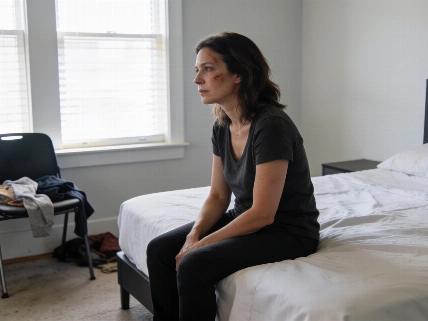
A three-year relationship ends in betrayal and blame, leaving a young woman wrestling with heartbreak and self-doubt. A clinical psychologist explains why letting go is so hard—and what actually helps you move on.
He cheated, left, and then told her it was all her fault. For many, that’s the hardest part of a breakup: not just losing someone, but being blamed for the loss by the person who hurt you. When your first serious relationship ends like this, the pain can feel overwhelming. Grief, longing, and guilt all pile on at once.
Three months ago, Olivia’s boyfriend ended their three-year relationship. She was twenty, still in college, and this was her first real romance. Things had been rocky for a while. He grew distant. She started confiding in a classmate. When her boyfriend found out, he said he forgave her. For a short time, things seemed to settle. Then he started seeing someone else. He told his new partner he was done with Olivia, and finally broke up with her in a way that left no doubt. The final blow: he insisted she was the one who ruined everything, even as he admitted he was leaving for another woman.
Research shows that the most noticeable improvement for many people after a breakup occurs around the 11th week, as the intensity of pain decreases and coping strategies begin to take hold.
This creates a psychological trap. The person who hurt you is still the one you love. Your mind clings to the early days—the hope, the excitement, the belief that you could fix things if you just tried harder. Clinical psychologist Dr. Irene Greco says this isn’t just nostalgia. It’s a neurochemical loop. The brain idealizes first love, making the good parts bigger and the bad parts smaller, especially when the ending is sudden and messy. The pain isn’t just about losing a partner. It’s about losing the version of yourself that believed in the future you imagined together.
Trying to process a breakup like this often leads to obsessive replay. You think about what you should have said, what you could have done, how you might have stopped things from falling apart. Dr. Greco suggests a simple exercise: write letters to your ex that you never send. Pour out every grievance, regret, and accusation. The point is to get it out of your head and onto paper. Don’t send the letters. Writing them helps you move the pain outside yourself, so it’s less likely to turn into endless rumination or self-blame. In clinical psychology, this kind of self-blame is closely tied to intrusive mental replays and the urge to find what you could have done differently. This can make rumination worse and slow down recovery, as described in a recent psychological review.
Breaking the cycle
Cutting off contact isn’t just a cliché. It’s a clinical step. Every text, every social media check, every imaginary conversation keeps the wound open. Olivia’s choice to stop all communication, though painful, is the first real move toward breaking emotional dependence. The brain, wired for attachment, fights this at first. But with time, the lack of new emotional triggers lets the nervous system settle down.
In cases of emotional abuse, blame-shifting and victim blaming are common mechanisms where responsibility for harm is transferred onto the victim, making recovery even more challenging.
Physical self-care isn’t a luxury right now. It’s survival. Sleep, food, and movement all help regulate stress hormones and give you back a sense of control. Dr. Greco points to the power of safe touch—hugs from friends, time with pets, even a massage. These things boost oxytocin and help fight the isolation that often follows a breakup. They don’t replace love, but they help your body recover from stress.
Looking ahead, even in small ways, helps you find new meaning. Focusing on upcoming exams, planning a trip, or making time for new friends can shift your brain’s reward system away from the lost relationship and toward new sources of hope. As reported earlier, the hardest part is often accepting that closure may never come from the other person. Self-forgiveness is the only closure you can control.
What recovery really looks like
First breakups rarely fade fast. The body and mind hold on to deep attachment, especially when the ending is tangled with betrayal and blame. It’s normal to grieve not just the person, but the time, energy, and hope you invested. The urge to idealize the past is strong, but it’s often a mirage. What you miss is the promise of what could have been, not the reality of what was. According to findings from Plum Tree Counseling, recovery after a relationship of one to three years usually takes about 18 weeks. Breakups after three years or more may need six months or longer for real improvement.
Therapies that focus on feeling your emotions, not just forcing yourself to be positive, tend to work better. Making space for sadness, anger, and even bitterness isn’t weakness. It’s a sign of mental health. The goal isn’t to erase the pain, but to process it—so it stops running your life or shaping your self-worth.
In the end, the most damaging part of a breakup like Olivia’s isn’t just the loss. It’s the belief that you’re to blame for someone else’s betrayal. This is where therapy matters most. A good therapist helps you see the difference between healthy self-reflection and toxic self-criticism. That makes it possible to move forward without carrying someone else’s story as your own. As High Thrive Counseling points out, relationship problems don’t make the betrayed partner responsible for infidelity. The choice to cheat belongs only to the person who was unfaithful.
Attachment theory helps explain why breakups can feel like a threat to survival. Early relationships shape how the nervous system expects safety, connection, and loss. When those bonds break, especially in a way that feels unfair, the pain isn’t just emotional. It’s physical. Knowing this can help you see that the intensity of heartbreak is normal—and that shame doesn’t belong to you.