
Aggression and Anger Outbursts
17 articlesGood content should separate anger as a valid emotion from harmful behavior. It can explain warning signs before escalation, de-escalation tools, accountability, safety planning, therapy options, and the difference between assertive communication, defensive rage, and abusive control.
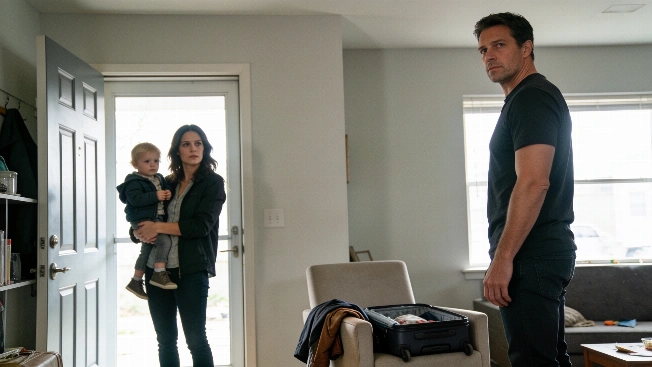
When a Marriage Turns Violent and Apologies Are Not Enough
A husband strikes his wife for the first time during a heated argument. She leaves with their child and demands he apologize to her parents. A psychologist explains the real stakes when violence enters a relationship.

How to Talk to a Husband Who Shuts Down or Gets Aggressive
When every tough conversation with your husband turns into a fight or stonewalling, it’s easy to feel stuck. Here’s how to break the cycle and actually be heard
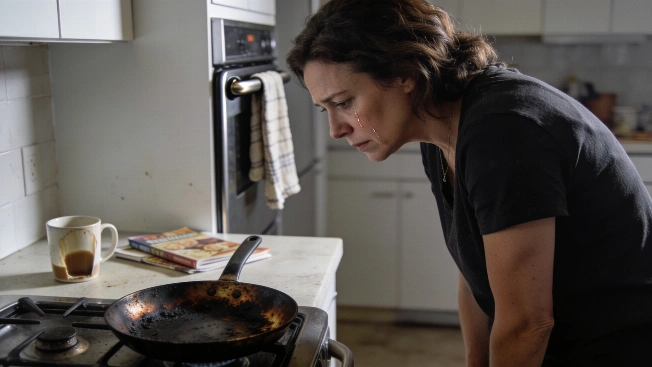
When Your Spouse Turns Controlling and Emotionally Draining
A woman faces her husband’s sudden mood swings and harsh criticism, feeling trapped by his dependence and her own guilt as his behavior grows more unpredictable

How to Stop Letting Other People’s Rudeness Drain Your Energy
When others cross your boundaries or act disrespectfully, it’s easy to feel angry, tense, or disappointed. Here’s how to protect your mental health and respond without self-damage

Living With a Messy Partner: When Cleanliness Standards Clash
Constantly criticizing your partner’s messiness can erode trust and connection. Learn how to manage emotional triggers and negotiate household standards without damaging your relationship

When Kids’ Tantrums Trigger Rage: How to Break the Cycle
Feeling overwhelmed or even angry when a child has a meltdown is more common than most parents admit. Here’s what drives these reactions and how to regain control before things escalate

When Your Child Doesn’t Appreciate You: How to Avoid Becoming the Yelling Mom
Single moms working multiple jobs often feel invisible at home. When kids ignore their efforts or act careless, frustration builds. Learn how to break the cycle of exhaustion and resentment before it damages your bond

How Einstein and Freud Debated the Roots of Human Aggression
In 1932, Albert Einstein and Sigmund Freud exchanged letters on whether war is inevitable, exposing the psychological and political forces that drive collective violence and shape our response to aggression

My Husband Hit Me While I Was Driving—How Domestic Violence Nearly Killed Us
A mother describes how her husband’s violent outburst behind the wheel put her and her son in danger, forcing them to escape and confront the reality of abuse

When a Parent Drinks and Turns Violent - Kids Are Trapped in Fear
A child caught between a father’s alcohol-fueled rage and a mother who refuses to leave faces daily threats, confusion, and emotional scars that can last for years

When Watching a Fight Feels Strangely Satisfying: What It Reveals
If you’ve ever felt a rush or odd pleasure watching a real-life fight, you’re not alone. This reaction can signal unmet emotional needs, stress, or even deeper patterns in how we process risk and excitement
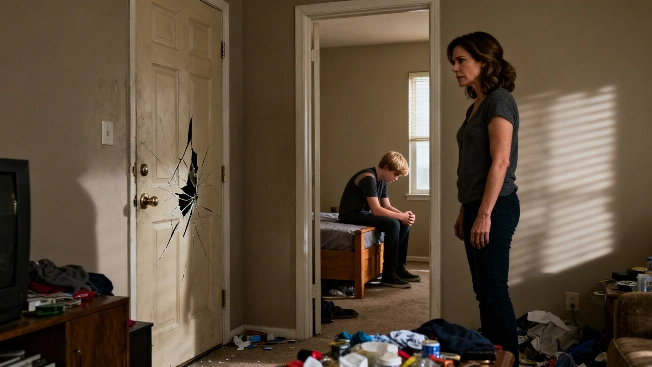
My Teenage Son’s Violent Outbursts Are Destroying Our Home and Family
A mother describes living with her 14-year-old son’s explosive tantrums and property destruction, made worse by a grandmother who undermines discipline and fuels family conflict
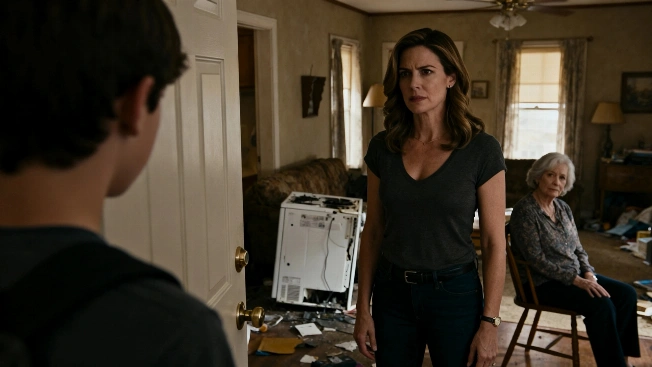
My Teenage Son Destroys Everything During Outbursts And My Mom Enables Him
A mother describes living with a 14-year-old son whose violent tantrums leave their home in chaos, while her own mother undermines every attempt at discipline and boundaries
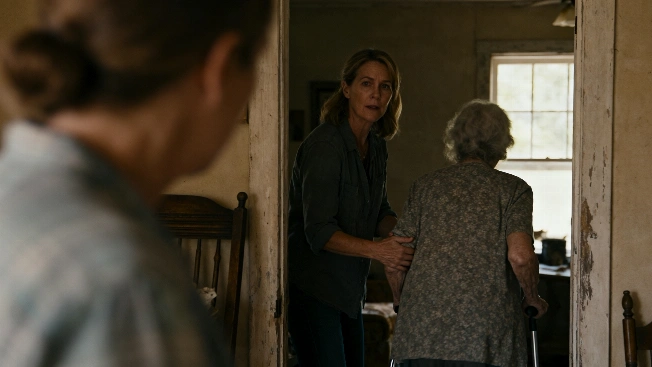
When Caring for an Elderly Parent Turns Into a Battle for Control
Tension and guilt can build when adult children feel forced to use force or harsh words to manage a stubborn aging parent in daily life

When Your Husband’s Anger Turns Violent: How to Protect Yourself and What to Do
Sudden rage, broken objects, and fear at home—what to do when your partner’s anger feels dangerous

When a Child’s Aggression Turns the Home Into a Battleground: What Parents Can Do
A mother describes her son’s violent outbursts at home and seeks expert advice on restoring safety and boundaries

Anger Isn’t a Weakness: What Your Anger Is Trying to Tell You
Anger often signals crossed boundaries or unmet needs—here’s how to decode it