
A mother describes living with a 14-year-old son whose violent tantrums leave their home in chaos, while her own mother undermines every attempt at discipline and boundaries
Some families live with a level of daily tension that feels like a pressure cooker. For Lisa, a 37-year-old single mom in Ohio, the stress is relentless. She shares a cramped two-bedroom apartment with her teenage son and her mother. Most days, she feels trapped—emotionally, physically, and financially.
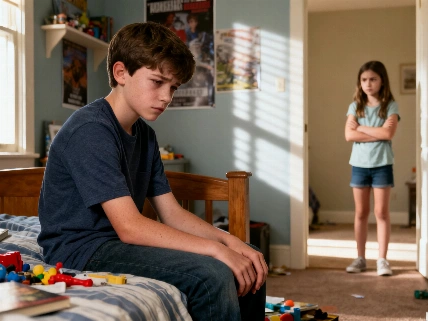
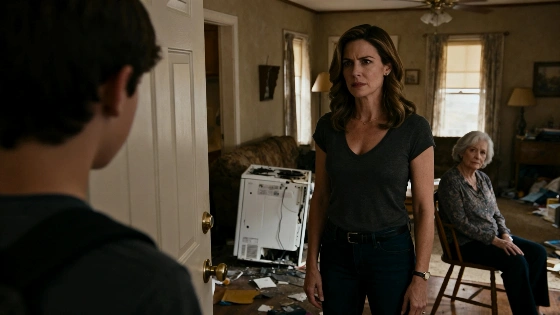
Her 14-year-old son’s mood swings have become impossible to ignore. When he’s upset, he doesn’t just yell—he rips doors off hinges, smashes electronics, and tears up anything in reach. Lisa tries to set limits, taking away his phone or grounding him. But her mother, who lives with them, immediately reverses every consequence. If Lisa confiscates a device, her mom hands it right back. If something gets broken, her mom soothes her grandson with treats or screen time. The result: Lisa is cast as the villain, her mother as the rescuer, and her son learns that boundaries are negotiable.
According to Psytheater.com, this dynamic is more than just a clash of parenting styles. When a teen sees no unified authority, it can fuel even more chaos. The grandmother’s constant undermining strips Lisa of her parental role, leaving her isolated and powerless. Her son, meanwhile, tests limits not just out of defiance, but in a desperate search for structure. The destruction isn’t just about anger—it’s a way to see if anyone will finally hold the line.
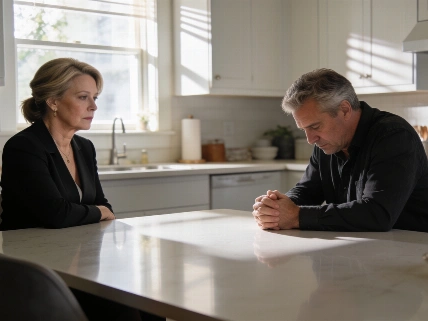
Lisa’s exhaustion is palpable. She’s not just fighting her son’s outbursts; she’s fighting her own mother’s sabotage. She spends hours trying to reason with her mom, hoping for solidarity that never comes. The emotional toll is immense. Lisa describes feeling like she’s losing her mind, unable to control her home, her son, or even her own possessions. The constant stress has left her raw, resentful, and desperate for escape—but with no money to move out, she’s stuck.
In families where three generations share tight quarters, boundaries blur. For teens, the need to separate from parents is normal, but in a small apartment, there’s nowhere to go. Some teens act out to force distance, using anger and destruction as a crude tool for independence. Lisa’s son lashes out, then complains to friends about his “terrible” mom. The cycle repeats, with no relief in sight.
It’s tempting to see this as just “teen angst,” but the level of aggression and loss of control can signal deeper issues—like mood disorders or depression masked by rage. When a teen’s outbursts become violent or property-destroying, a mental health evaluation is warranted. Medication isn’t a cure-all, but it can help stabilize severe mood swings. Parents in Lisa’s position may also need support for their own anxiety and burnout.
Trying to change the grandmother’s behavior is often futile. Some experts suggest accepting the reality of “dual authority” in the home, and letting go of the hope for backup. This can reduce the constant disappointment and free up energy for self-care. Lisa is not alone—many parents feel like hostages to their child’s volatility and the family system that enables it. Finding even small pockets of time away from home, or activities that restore a sense of self, can be a lifeline.
Consequences for destructive behavior should be concrete and unavoidable. Instead of yelling, Lisa might calmly state that a broken appliance means no new gadgets or outings for a set period. The key is to let reality—not just parental anger—do the teaching. Even if her mother tries to soften the blow, some losses can’t be undone.
Family systems with three generations under one roof are uniquely fraught. No parent can single-handedly fix a child’s behavior when another adult is actively undermining them. Accepting this limitation can paradoxically bring relief—and help parents act more strategically, rather than from a place of constant emotional reactivity. For those struggling with similar patterns, this article on teens and family boundaries explores how multi-generational living can complicate adolescent development.
Parents in these situations have a right to anger and to protect their own well-being. The “oxygen mask” rule applies: you can’t help your child if you’re running on empty. Seeking therapy, support groups, or even brief escapes from the home can help restore a sense of control and sanity.
When a teen’s aggression escalates, family therapy or psychiatric consultation may be necessary. Sometimes, what looks like “bad behavior” is a sign of underlying distress that needs professional attention. And for parents, learning to set boundaries—not just with their child, but with other adults in the home—can be the first step toward reclaiming their own life.
Adolescent aggression is a complex topic in mental health. While some mood swings and defiance are typical, repeated property destruction or violent outbursts may indicate underlying mood disorders, impulse control issues, or trauma responses. Early intervention with a mental health professional can help clarify what’s normal and what requires treatment. Family therapy can also address patterns of enabling or undermining among adults, which often play a hidden but powerful role in a teen’s behavior.