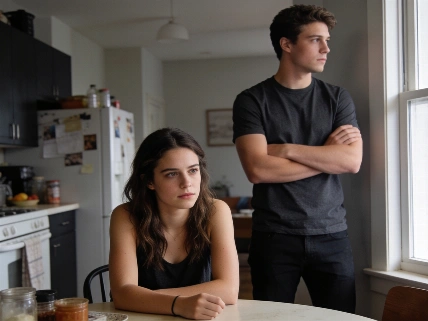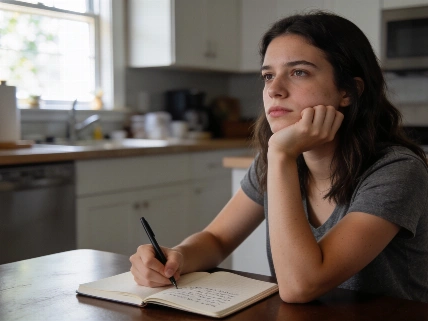

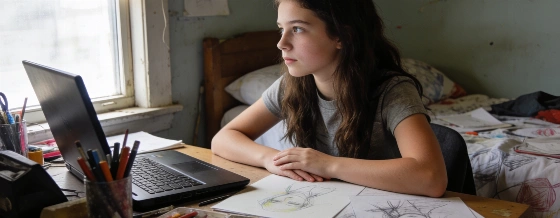
Many young creators feel isolated when they can't find others who share their passion. The lack of genuine connection can lead to emotional exhaustion and creative burnout
For many young artists, the hardest part isn’t the work itself—it’s the sense of isolation that comes with pursuing a creative path alone. According to Psytheater.com, the emotional toll of working solo on a major project can be as draining as the technical challenges. When you’re the only one in your circle who cares deeply about animation, music, or 3D modeling, the absence of true peers can make every setback feel heavier.
One 16-year-old animator describes building an online following and pushing through technical hurdles, only to find herself missing the kind of friends who truly understand her drive. She’s tried joining online groups, but the connections rarely stick. Instead of support, she’s met with indifference or the pressure to keep conversations alive single-handedly. Over time, this cycle of hope and disappointment leads to emotional fatigue—sometimes so intense it becomes physical, with her body refusing to cooperate and her motivation evaporating.
Family support isn’t always an option. For some, relatives dismiss creative work as a phase or a distraction from “real” life. The result is a sense of being the odd one out, with no one nearby who shares the same fire. This kind of social hunger—what psychologists call “social deprivation”—can be just as real as physical hunger. The longer it goes unmet, the harder it becomes to reach out again, especially when each failed attempt deepens the sense of rejection.
Breaking the Isolation
Experts suggest that the search for a perfect creative soulmate may be setting the bar too high. Instead, it can help to look for small points of connection: someone to swap animation tips with, another person learning 3D modeling, or a peer willing to share works-in-progress. Deep friendships rarely form overnight. More often, they grow from a series of brief, regular interactions that slowly build trust and understanding.
There’s also a hidden risk for those who have carried big projects alone for a long time. The habit of self-reliance can spill over into relationships, making it harder to accept surface-level connections or to invest energy in new acquaintances. When emotional reserves are low, even casual socializing can feel like too much. Sometimes, the healthiest move is to acknowledge the disappointment and give yourself space to recover before trying again.
It’s a pattern that echoes the experience of many young adults who feel pressure to meet family expectations while forging their own path. As explored in this analysis of breaking free from parental approval cycles, the struggle for acceptance—whether at home or among peers—can shape a person’s sense of belonging for years.
Finding Your People
Creative communities in the U.S. are often scattered, not clustered. Most artists, animators, and musicians work in small, loosely connected groups or even alone. The myth of the tight-knit creative collective is just that—a myth. For many, the real challenge is learning to spot and nurture the small, imperfect connections that do exist, rather than waiting for a perfect match.
Recent studies from the Pew Research Center show that nearly 60% of American teens and young adults report feeling lonely at least sometimes, with creative individuals at even higher risk. Online spaces can help, but only if approached with realistic expectations and a willingness to accept gradual progress. Building a support network is less about finding “your people” all at once and more about piecing together a patchwork of small, meaningful exchanges over time.
For those struggling with creative isolation, mental health professionals recommend focusing on self-compassion and pacing. It’s normal to feel discouraged after repeated setbacks, but it’s also normal for connection to take time. The key is to avoid letting disappointment harden into withdrawal. Even a single positive interaction—a shared project, a brief chat, a word of encouragement—can be enough to keep the creative spark alive.
Social support is a critical factor in emotional health, especially for young people navigating high-pressure environments. Research from the National Institute of Mental Health highlights that strong peer connections can reduce the risk of depression and anxiety, while chronic loneliness is linked to increased stress and physical health problems. For creative teens and young adults, finding even one or two supportive peers can make a measurable difference in both well-being and long-term motivation.