When a child notices that even people with 'everything' can feel unhappy, parents face tough questions about emotions, unmet needs, and what happiness really means in daily life
When your child asks why some people seem unhappy even when their lives look perfect, it’s not just curiosity—it’s a sign they’re starting to notice the gap between appearances and inner experience. According to Psytheater.com, these questions often surface around age 11, when kids become more aware of emotional complexity and start to compare their own feelings with what they see in others.
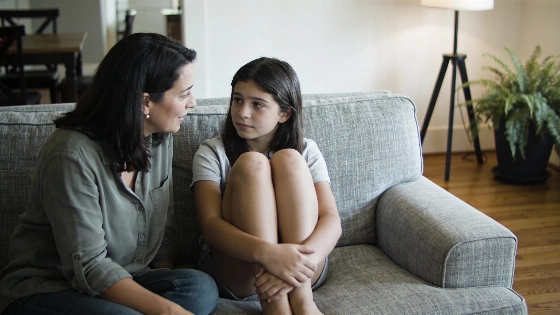
Start by choosing a quiet, private moment for this conversation. Kids are more likely to open up when they feel safe and not rushed. If your child brings up a scene from a movie or something she noticed at school, use that as a natural entry point. Don’t force the topic, but don’t dodge it either. Let her know it’s okay to wonder about these things.
Validate her feelings. Explain that everyone experiences sadness, frustration, or emptiness at times—even when nothing obvious is wrong. Emotions don’t always match our circumstances. Sometimes, people feel down because they’re ignoring their real needs or desires, or because they’re trying to live up to someone else’s idea of success. The pressure to appear happy can actually make things worse, especially for kids who are sensitive to others’ moods.
It’s important to talk about how emotions can be triggered by things we don’t notice right away. For example, a child might feel sad for days before realizing it started with a small disappointment or a buildup of stress. Encourage your child to think about what might be behind her own feelings, and remind her that it’s normal to have ups and downs—even when life seems fine on the surface.
Understanding Emotional Needs
Many people chase external markers of happiness—grades, awards, new gadgets, or social approval—without checking in on what they actually want or need. This disconnect can lead to chronic dissatisfaction. Kids pick up on this, especially if they see adults around them striving for things that don’t seem to bring real joy. Help your child notice the difference between what she wants and what she thinks she’s supposed to want.
Sometimes, the root of unhappiness is biological. Mood swings, apathy, and sadness can be linked to hormonal changes, especially as kids approach adolescence. If your child’s low mood is persistent or severe, don’t hesitate to consult a pediatrician or mental health professional. Depression in children and teens is real and treatable, and it doesn’t always look like adult depression. Symptoms can include irritability, withdrawal, or changes in sleep and appetite.
Support is key. As your child moves into the teen years, her emotional landscape will shift. She may feel more vulnerable or confused about her identity. Let her know that all emotions are valid, and that feeling sad or lost sometimes is part of growing up. Share resources—like books about emotions or creative activities—that can help her process what she’s feeling.
Building Emotional Resilience
Work together to create practical tools for coping with tough emotions. Some families make an “emotional first aid kit” with comforting objects, reminders of good times, or simple self-care techniques. Encourage your child to experiment with different ways to manage sadness—journaling, drawing, listening to music, or talking with someone she trusts.
What matters most isn’t having all the answers, but showing your child that you’re present and engaged. Your calm, accepting attitude will do more to build her resilience than any single piece of advice. If she’s struggling with recurring sadness or anxiety, consider how dreams and subconscious fears might play a role—sometimes, as explored in this analysis of stress-related nightmares, emotional distress surfaces in unexpected ways.
Ultimately, your job as a parent isn’t to fix every feeling, but to help your child understand that emotions are part of life. By modeling acceptance and curiosity, you give her permission to explore her own inner world without shame or fear.
Recent studies from the National Institute of Mental Health show that about 13% of U.S. children ages 12 to 17 experience at least one major depressive episode each year. Early conversations about emotions and unmet needs can help reduce stigma and encourage kids to seek support when they need it. Mental health professionals recommend regular check-ins, open dialogue, and age-appropriate education about feelings as effective ways to build emotional resilience in children and teens.