
A new micro-organizing method promises to reset your mood and reclaim calm in just three targeted 10-minute bursts—no marathon cleaning or perfectionism required
That pile of shoes by the door? The stack of books and cords on your nightstand? Each one nags at your brain. You see mess. Your mind sees unfinished work. For many Americans, clutter at home isn’t just about looks. It’s a steady drip of stress that chips away at focus and mood before breakfast.
Jamie Cuccinelli, a home organization specialist writing for Martha Stewart’s site, has a different plan. Forget all-day cleaning. She suggests three sharp 10-minute bursts, each aimed at a single spot that matters. No need for perfection. The point is a quick reset. Just enough to break the cycle and give you back some control.
A 2011 Princeton study found that visually cluttered environments compete for your attention, making it harder to complete tasks and increasing mental fatigue.
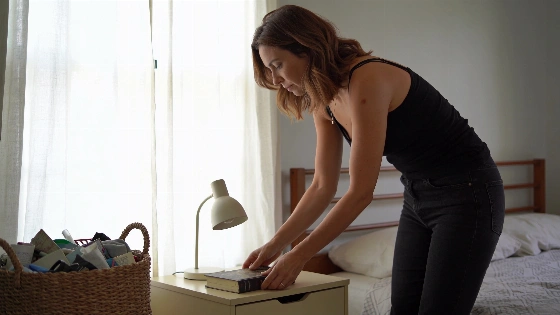
Start with the places you see first and last: the nightstand, the entryway, and the bathroom counter. Set a timer for 10 minutes. Pick one area. Anything out of place goes in a basket for later. The timer matters. It keeps the job small and doable. You’re not deep cleaning or sorting by color. You’re clearing the surfaces your eyes land on. That tells your brain order is possible, even if life isn’t always neat.
The entryway is simple. Sort the mail. Line up the shoes. Give keys and daily stuff a set spot. In the bathroom, clear the counter, wipe it down, and only put back what you use every day. Toss expired products and empties. The nightstand gets stripped to basics—a lamp, one book, maybe a dish for jewelry. Add a candle or hand cream if you want a calming touch. These resets aren’t about style. They’re about freeing up mental space.
Once you’ve handled the main zones, you can hit the junk drawer, medicine cabinet, or coffee table. Ten minutes is enough to toss dead pens, group similar things, and add a divider or two. The medicine cabinet gets a sweep for expired meds and a quick sort. The coffee table, often a clutter magnet, changes fast when you leave just a stack of books and a small vase. The room feels different right away.
A Japanese survey revealed that 83.7% of respondents feel burdened by cleaning and organizing tasks, and nearly 70% believe the state of their home directly impacts their quality of life and productivity.
But this method only works if you dodge three common traps. Don’t chase perfection. Don’t skip giving daily items a set home. Don’t let the timer run wild. Perfectionism freezes you. If keys or mail don’t have a spot, mess comes back overnight. Ignore the timer and you’ll burn out before you see a change. The trick is in the limits, not the end result.
If you struggle with sleep, your bedroom mess might be part of the problem. As reported earlier, even small changes in your space can help your body wind down. The same goes for clutter. Clear surfaces tell your brain it’s safe to relax. Mess signals unfinished business and keeps stress hormones up. It’s that simple.
This approach doesn’t promise a perfect home or endless organizing. It’s about calm you can use, not a show for social media. The real win is mental. You get a break from the stress loop. Your home feels like a place to rest, not a list of chores. In a world obsessed with doing more, sometimes the boldest move is to do less—but do it on purpose.
Micro-organizing won’t cure anxiety or burnout. But it’s a real fix for anyone whose space is quietly wrecking their peace. The proof is in how you feel. Clear surfaces, clear mind. These small, time-limited resets aren’t about stuff. They’re about taking back your attention. Sometimes the best mental health tools are the simplest. Many start at home.
Environmental psychology has shown for years that your surroundings shape your mood. Cluttered rooms can spike stress, mess with sleep, and make decisions harder. Orderly spaces help you focus, lower anxiety, and rest better. Deep cleaning has its place. But research says even small, visible changes can boost your mood and mental clarity. This micro-routine isn’t about looks. It’s about making space for your mind to recover—one clear surface at a time.
UCLA researchers found that women who called their homes "cluttered" or "unfinished" had higher daily cortisol, a marker of chronic stress, and felt worse throughout the day. These results show how mess affects your body and mind. Small, targeted resets really do help. For more, see the UCLA study summary.