
Bad Habits
27 articlesUseful content should explain cues, cravings, emotional triggers, reinforcement, environment design, replacement behaviors, and relapse prevention. The goal is not moral judgment but understanding how habits form and how realistic behavior change happens through repetition, support, self-monitoring, and reduced shame.

Too Many Sets at the Gym? Why More Isn’t Always Better for Muscle Growth
Piling on extra sets in your workout can actually slow muscle gains and recovery. New research and coaching advice point to a clear upper limit for effective training volume.

Drinking Late Wrecks Your Sleep—Here’s the Science Behind the Crash
If you fall asleep fast after a few drinks but wake up wired at 3 a.m., the real culprit may be the timing of your last glass—not just how much you drink or what you mix

How Many Steps a Day Actually Protect Your Health—Not 10,000
The 10,000-step rule is everywhere, but new research shows you may need far fewer steps to lower your risk of heart disease and early death. Here’s what science says about the real daily step count that matters

Taking a Hot Shower After Eating Can Disrupt Digestion and Blood Pressure
Jumping into a hot shower right after dinner may slow digestion, trigger bloating, or even cause a drop in blood pressure—especially if you’re already feeling wiped out from the day

Morning Habits That Quietly Damage Your Brain and Focus
A neuroscientist reveals three daily habits that can undermine your brain’s health and concentration—starting with what you do in the first minutes after waking up
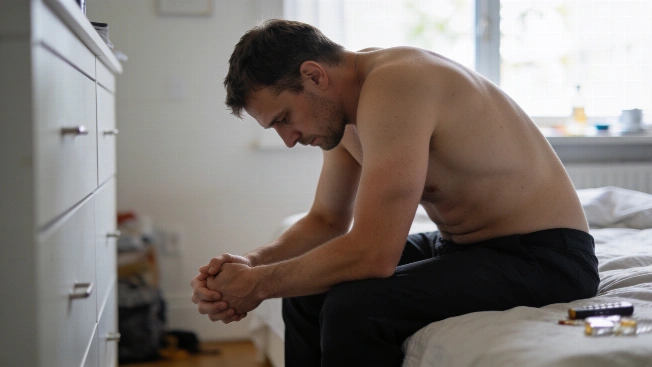
Relapse After Two Years Sober: What Really Drives a Return to Drugs
After two years clean, a man relapses on synthetic drugs following a painful breakup. A psychiatrist explains why setbacks happen and what steps can help prevent another downward spiral

The Etiquette Mistake That Ruins Snack Time With Friends
Serving chips straight from the bag at gatherings can create hygiene issues, awkward moments, and social discomfort—experts say the way you share snacks matters more than you think

Do You Really Need 10,000 Steps If You Lift Weights 4–6 Times a Week
Many gym-goers feel pressured to hit 10,000 steps daily, even after intense strength training. But new research suggests this target may not be necessary for those already active with regular workouts

How Long It Really Takes to Build a New Habit, According to Science
Forget the 21-day myth—research shows forming a lasting habit can take months or even close to a year, depending on the behavior and your daily routine

Chronic Lateness: How Childhood Patterns Shape Adult Habits
Always running late? For some, it’s more than poor planning—it’s a deep-rooted pattern linked to early family dynamics and emotional scripts that play out for years

Always Following Others’ Choices? How to Start Making Your Own Decisions
Many adults realize they’re living by others’ expectations, not their own. Learn how to identify your real wants, break free from people-pleasing, and build confidence in your own decisions
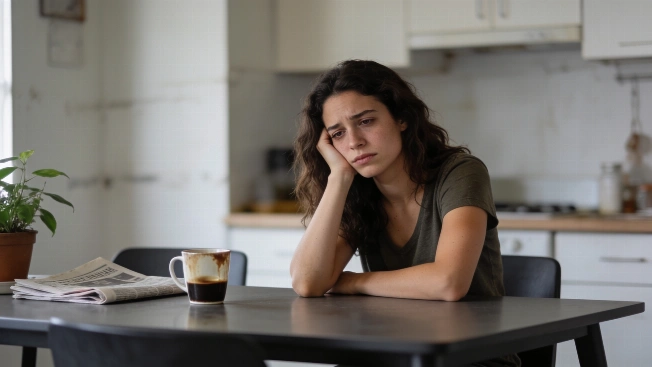
My Partner Won’t Hold a Job and Drinks Too Much
When your boyfriend keeps losing jobs and turns to beer instead of responsibility, frustration and doubt can take over. A clinical psychologist explains what’s really going on and how to respond
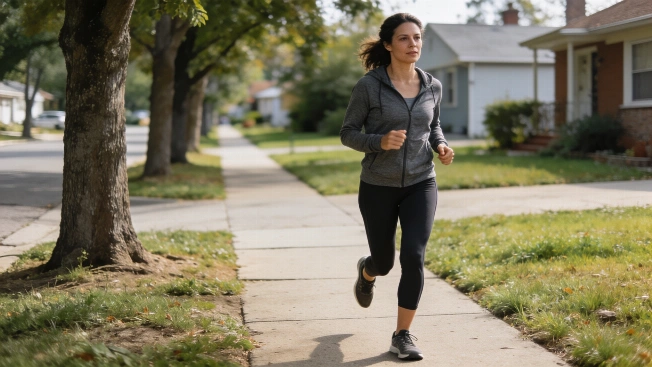
Why 10,000 Steps Failed Me And What Actually Got Me Moving
Stuck at a desk all day, I never hit 10,000 steps. But a 30-minute Japanese walking method changed my activity level and made exercise feel possible again
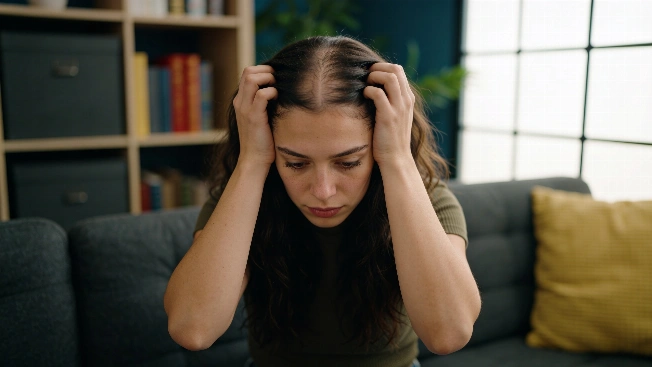
Living With Trichotillomania: Why Hair Pulling Isn’t Just a Bad Habit
Trichotillomania causes people to pull out their own hair when stressed or anxious. Learn why this disorder is chronic, what treatment options exist, and why professional help is often needed
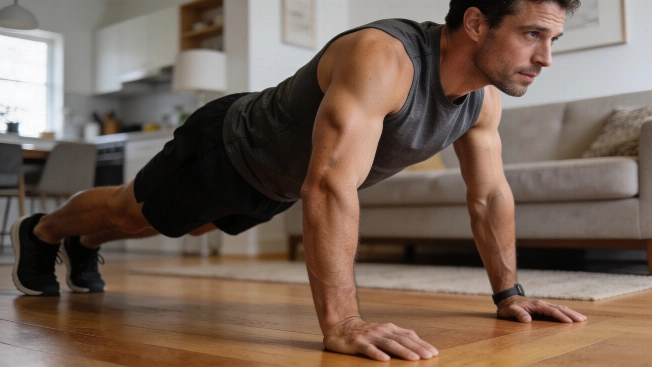
How Many Push-Ups a Day Actually Shape Your Muscles—And What Doesn’t Work
Viral fitness challenges promise fast results, but experts say the real number of daily push-ups for visible muscle definition depends on your body, recovery, and technique—not just repetition counts

How Emotional Eating Sabotages Your Health During the Holidays
Stress, guilt, and boredom can drive mindless eating—especially around the holidays. Learn how body awareness and mindful rituals can help you regain control over your food choices
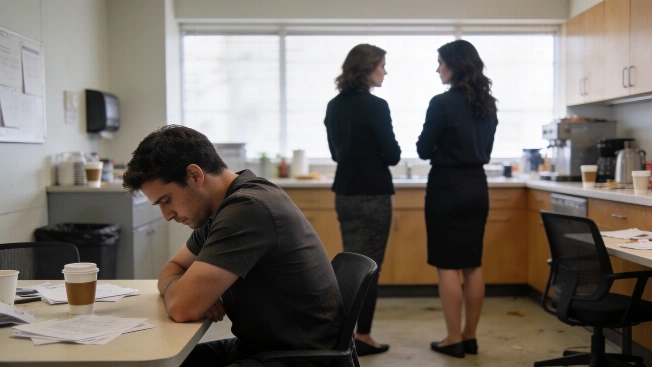
When Friends at Work Cut You Off After a Personal Mistake
After a workplace friendship turns romantic and secrets come out, one man finds himself isolated by his closest colleagues and struggling to move forward
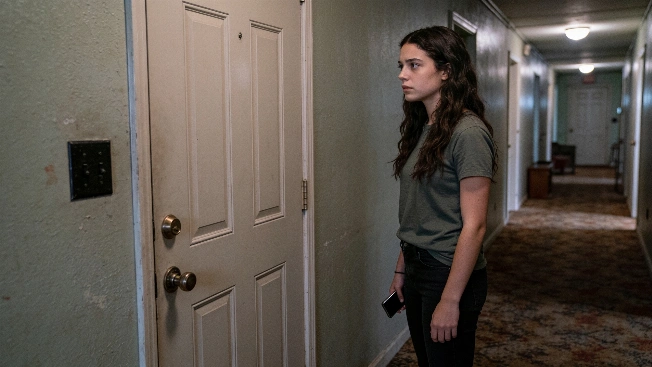
When a Parent Trades Alcohol for Gambling: How to Set Boundaries
After her father quit drinking, his gambling spiraled out of control, leaving his daughter torn between loyalty and fear for her own safety as debt collectors close in
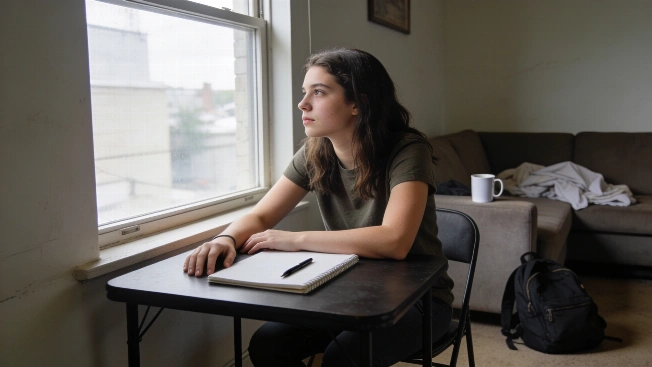
When Escaping Into Fantasy Becomes a Compulsion You Can’t Control
Some people use imagination to cope, but for others, fantasy becomes a habit that’s hard to break—fueling shame, social struggles, and a blurred sense of reality

I Quit Coffee for 30 Days and My Body’s Reaction Was Not What I Expected
Three espressos a day kept me wired and restless. After a month of swapping coffee for black and green tea, my energy, mood, and digestion changed in ways I didn’t see coming

The Daily Habit Most Americans Ignore That Keeps Your Brain Sharp
A neuroscientist reveals the overlooked routines that protect memory and focus

How Habit Loops Trap Us in Unwanted Routines—and What Actually Breaks Them
Most daily actions are automatic, but changing habits means rewiring your brain
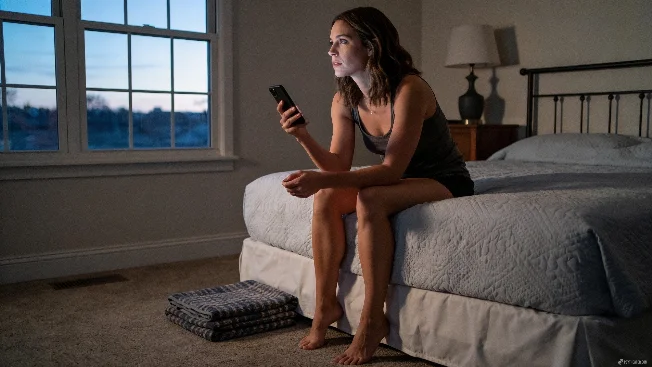
Break Bad Habits Without Willpower: 3 Steps Psychologists Say Actually Work
Most habits run on autopilot. Here’s how to disrupt the cycle and finally change them

How to Spot Alcoholism Early: Warning Signs in Loved Ones You Shouldn’t Ignore
Alcoholism often hides in plain sight. Learn the subtle and obvious signs that signal a real problem.
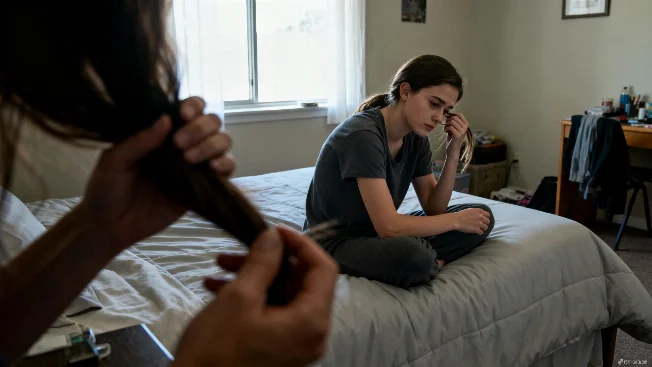
Hair Pulling and Eating: When a Habit Becomes a Serious Health Risk
A 24-year-old describes a decade-long struggle with hair pulling and eating, raising medical and mental health concerns

Breaking the Habit: What Really Happens When You Cut Back on Mindless Scrolling
Reducing screen time isn’t just about willpower—hidden triggers and emotional gaps surface fast

Second-Guessing Every Choice: The Hidden Cost of Not Trusting Yourself
Many adults replay decisions long after making them, draining energy and fueling anxiety