
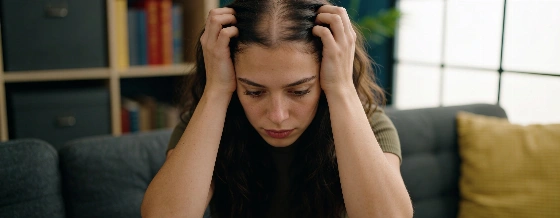
Trichotillomania causes people to pull out their own hair when stressed or anxious. Learn why this disorder is chronic, what treatment options exist, and why professional help is often needed
For many Americans, the urge to pull out their own hair isn’t just a nervous tic—it’s a chronic mental health disorder called trichotillomania. This condition often starts in adolescence, especially among girls, and can persist for years, cycling between periods of intense symptoms and quieter stretches. According to Psytheater.com, people with trichotillomania typically feel mounting tension or anxiety, which is only relieved by the act of pulling hair. The relief is real, but it’s temporary, and the cycle repeats.
Trichotillomania is sometimes grouped with obsessive-compulsive disorder, but not all experts agree. Unlike classic OCD, hair pulling doesn’t always follow a strict ritual. Sometimes it’s deliberate, sometimes it’s almost automatic. What’s consistent is the emotional buildup beforehand and the fleeting sense of satisfaction after. Most people with this disorder try to stop, but willpower alone rarely works for long.
Without treatment, trichotillomania tends to wax and wane. Some days, the urge is overwhelming; other times, it fades into the background. This unpredictability can trick people into thinking they’re getting better on their own, but the underlying pattern remains. The disorder is chronic, and relapses are common, especially during periods of stress, fatigue, or major life changes.
Effective treatment usually requires a two-pronged approach: psychotherapy and, in some cases, medication. Cognitive behavioral therapy (CBT) is the gold standard, especially when tailored to hair-pulling behaviors. CBT helps people identify triggers, monitor their urges, and practice alternative responses—like clenching fists, knitting, or sitting on their hands instead of pulling hair. Over time, therapy can shift the habit, but it also digs deeper, exploring the emotional roots of the behavior. For some, psychodynamic or psychoanalytic therapy becomes important after initial progress, helping address the underlying anxiety or distress that fuels the cycle.
Medication isn’t always necessary, but a psychiatrist should make that call. Trichotillomania often overlaps with anxiety or depression, and medication can help manage those symptoms. The right prescription, monitored by a professional, can reduce the urge to pull and make therapy more effective. If symptoms are mild, a doctor may recommend therapy alone, but self-diagnosis is risky—professional assessment is key.
Trying to manage trichotillomania alone is rarely successful. The disorder’s chronic nature and the relief it brings make it hard to break the cycle without support. Accepting help isn’t a weakness; it’s a practical step toward regaining control. As social pressures and anxiety mount, especially for young adults, the need for expert guidance becomes even clearer. For those struggling with related issues—like the pressure to make big life decisions under stress—stories like navigating career choices under family expectations show how anxiety can shape behavior in unexpected ways.
Research from the National Institute of Mental Health estimates that trichotillomania affects about 1–2% of the U.S. population, though many cases go unreported due to shame or misunderstanding. The disorder is more common in women, with onset typically between ages 10 and 13. Early intervention and evidence-based therapy significantly improve outcomes, but stigma and lack of awareness remain major barriers to care.
Cognitive behavioral therapy for trichotillomania often includes habit reversal training, stimulus control, and self-monitoring techniques. These methods help people recognize the situations and feelings that trigger hair pulling, then substitute healthier behaviors. Over time, this approach can reduce symptoms and improve quality of life. For those seeking help, finding a therapist with experience in body-focused repetitive behaviors is crucial. Support groups and online communities can also provide connection and encouragement, but professional treatment remains the foundation for lasting change.