When stress and fatigue pile up, even minor rituals can change the tone of your day. Author Michael Rosen shares how music, sleep routines, and a twist on dessert can help break the cycle of gloom
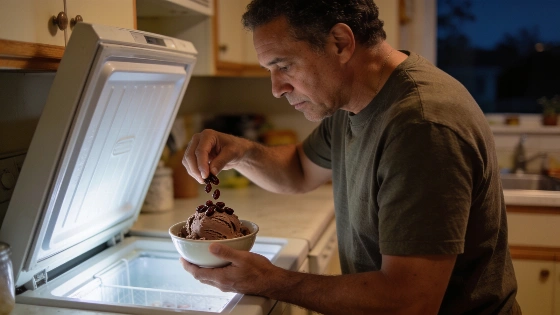
Michael Rosen stands in his kitchen at 10 p.m. He opens the freezer. The day has drained him. Tomorrow feels like a weight. He grabs a half-melted pint of chocolate ice cream. But instead of eating it straight, he drops in a handful of raisins. The cold turns them chewy and sweet. He slows down. He actually tastes each bite. Dessert shifts from mindless comfort to a small, curious pause. That’s the point. A tiny change breaks the cycle of stress.
Rosen doesn’t chase big fixes. He doesn’t believe in waiting for happiness to arrive. In his book Good Days: An A-Z of Hope and Happiness, he focuses on the next 24 hours. Not the next year. Not a five-year plan. Just today. He borrows from poets and songwriters who treat each day as something to explore. His rituals are simple: listen closely to a favorite song, set up a bedtime routine, or tweak something familiar. They sound almost too easy. But Rosen says the real power comes from doing them again and again, and paying attention. Not from novelty. Not from scale.
Michael Rosen recently celebrated his 80th birthday and continues to present programs on BBC Radio 4, highlighting his ongoing engagement with public discussion and the arts as of 2026.
Sleep is non-negotiable for Rosen. He spent over a month in a medically induced coma. He’s blunt about it. If your nights are broken, your days will be too. Bedtime is for repair, not escape. His method is stripped down. Remember one good thing from the day, even if it’s tiny. Count slowly from one, picturing each number. If worries pop up, start over. No anger. Just reset. Stay still, like a statue. This won’t cure chronic insomnia. Rosen says real sleep problems need a doctor. But for many, these anchors can turn a restless night into real rest.
Music is more than background for Rosen. He doesn’t let playlists run while he works. He picks one song. He loops it. He sits with it, letting the sound wrap around him. He calls it “sitting inside” the music. It’s physical, almost like petting a cat with your eyes closed. Want to try? Pick a song you love. Silence your phone. Close your eyes. Let the sounds come. Don’t judge. Don’t chase a mood. Just make space for whatever shows up.
These small rituals might seem trivial. The world’s problems are huge. Grief can feel crushing. But Rosen’s point is clear. Hope and happiness don’t come from big changes or perfect routines. They start small. They build from daily life. As reported earlier, even good intentions for rest and self-care can get derailed by hidden habits. Rosen doesn’t offer a prescription. He offers invitations. Try things. Pay attention. Let yourself be surprised by what helps. That’s the experiment.
Rosen’s recovery from a severe illness involved six weeks in an induced coma, followed by extensive rehabilitation with the NHS, which played a crucial role in helping him regain mobility and return to public life.
Our culture pushes quick fixes and endless optimization. Rosen’s approach is different. There’s no magic bullet for a bad day. But you can make the next one lighter. The real challenge isn’t finding the perfect ritual. It’s noticing the moment you can choose something different, even if it’s tiny. That’s where things shift. That’s where a better day starts.
Good sleep is a pillar of mental health. But it’s often misunderstood. It’s not just about how long you sleep. Quality and consistency matter. Experts suggest winding down with calming activities, keeping screens out of the bedroom, and sticking to a regular schedule. Even small tweaks—like changing the room temperature or using blackout curtains—can help. For stubborn insomnia, cognitive behavioral therapy for insomnia (CBT-I) is the gold standard. But for most people, better rest starts with small, repeatable actions. These tell your brain it’s safe and time to settle down.
Rosen still presents for BBC Radio 4’s Understand, Seven Ages of Man. He keeps sharing insights on resilience and daily well-being. The BBC Radio 4 program page confirms he remains an active voice in cultural and personal discussions as of late 2026.