

A woman finds herself instantly drawn to any man who shows her warmth or care after a childhood with a distant father and a marriage marked by emotional and physical abuse.
A man holds the door. He asks how she is. He looks her in the eye and listens. For Emily, these moments hit hard. They don’t fade. They stick. The need for male kindness isn’t a passing urge. It shapes her days. It shapes her sense of worth.
Emily’s story is common. Her father was there but never really present. Warmth came with a price. She had to earn it. She learned to keep her feelings in check. Praise was rare and flat. If she struggled, he snapped. She got the message early: don’t be a problem, don’t mess up, don’t expect comfort.
Emotional neglect in relationships is defined as a chronic, repeated lack of response to a partner's emotional needs, which over time undermines self-worth and trust in one's own feelings.
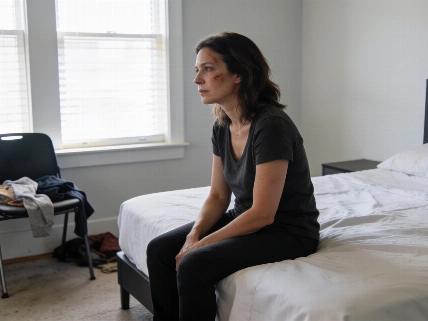
That pattern followed her into marriage. Her husband seemed more open, but his affection was a trade. He used criticism and sometimes force. He called it discipline. Kindness felt staged, a way to calm her down or keep the peace. The cycle was familiar. It almost felt safe, even as it wore her down.
So when another man showed real care, Emily’s body and mind jumped. It wasn’t about romance. It was about relief. A small act of warmth felt like rescue. But the reaction was so strong, so raw, it often ruined the chance for real connection. She froze. She regressed. Sometimes she pushed people away. Even simple conversation became hard.
Roots of the pattern
This isn’t a mystery. Therapists in cognitive-behavioral and gestalt fields say kids who grow up with conditional love learn strict rules. You must earn affection. Mistakes are risky. Kindness is rare. As adults, their bodies stay on alert for any sign of warmth. The pull is strong. Sometimes it’s overwhelming. Anyone who offers what was missing becomes a magnet.
Clinical research highlights that emotional neglect, chronic criticism, unpredictability from adults, and love dependent on achievement are key factors in childhood trauma. These factors often manifest in adulthood as difficulties with intimacy, self-esteem, and emotional regulation.
This isn’t love. It’s a trauma response. The adult self gets hijacked by the child inside, desperate for comfort. The urge to attach can break boundaries. It makes healthy friendship with men almost impossible. The need is too big for normal social life to hold.
Emily’s marriage made things worse. Her husband’s “discipline” through pressure and aggression sent the same old message. Safety and kindness are never certain. Even when he tried to be gentle, it felt fake. She waited for the old pattern to return. It always did.
Breaking the cycle
What can someone like Emily do? First, face the facts. Physical violence in marriage is not discipline. It’s abuse. If you downplay or excuse it, real safety stays out of reach. That’s true for the woman and for any kids who see it. Kids learn from what they see. They may accept mistreatment or think kindness is weakness. The risk passes down the line.
Next, separate the craving for kindness from real interest. The urge to “fall for” every caring man isn’t about love. It’s about filling a gap. Real connection means seeing the other person as a whole, flawed human. Not just a source of comfort. Until that’s clear, friendship with men will likely fail or disappoint.
Healing starts with self-compassion. That means giving yourself the praise and care you missed as a child. It won’t replace healthy relationships, but it can ease the desperation. Self-kindness is a skill. It takes practice. It grows over time.
Protecting the next generation
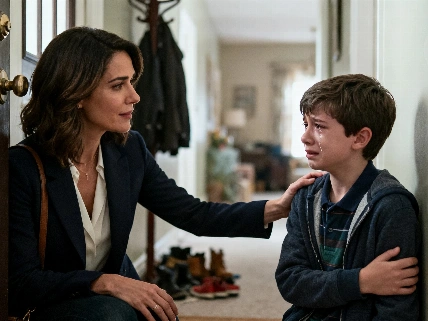
Emily worries about her young son. She should. Kids notice everything. Even if parents try to hide it, children sense tension and fear. They see who holds power. The danger isn’t just that he’ll see abuse. He might think it’s normal. Every parent in this spot has to ask: What am I teaching my child about love and respect by staying here?
If you see yourself in Emily’s story, help is out there. Books like Patricia Evans’ “The Verbally Abusive Relationship” and Tatiana Izumrudova’s “Why Does He Hurt Me?” lay out ways to understand and escape toxic patterns. Therapy, especially trauma and attachment work, can help untangle these roots. It can build new ways to relate.
Emotional deprivation and abuse don’t fix themselves. They need action. As reported earlier, the cycle of seeking validation from distant partners can last for years unless something changes. The goal isn’t to blame yourself for old wounds. It’s to stop letting them run your life. The real work is learning to spot the difference between true connection and the echo of unmet childhood needs. Kindness should be daily, not rare.
Attachment theory helps explain why some people are drawn to distant or abusive partners. Secure attachment grows when kids get steady, caring attention. Insecure attachment—anxious, avoidant, or mixed—leads to clinging, withdrawal, or confusion in adult relationships. Therapy that targets these wounds can help people build stronger, steadier bonds with others and with themselves.
Research on attachment shows that when a child faces emotional distance and lacks a safe, responsive caregiver, they may learn to hide their need for closeness. They pull back. They act tough to keep some connection with the parent. This can last for years. It shapes adult relationships, as detailed in a Twogle research review.