
Psychoeducation
14 articlesThe page can offer data explainers, trend pieces, clinical context and careful examples without turning information into personal advice. Practical cases can link daily examples with therapy language, timelines, reviews and safety notes.
Public language is translated cautiously when internet terms become too loose. Public claims are weighed against evidence, risk and practical usefulness.

Cold Showers and the Vagus Nerve Are Not a Cure for Chronic Stress
A neuropsychologist claims a one-minute cold shower can trigger the vagus nerve and help the body shift out of stress mode. But does this quick ritual really deliver lasting calm or just a fleeting jolt

Erotic Dreams Are Not a Red Flag for Your Relationship
Recurring sexual dreams often spark anxiety about fidelity or satisfaction, but experts say these vivid scenarios reveal more about inner freedom and self-censorship than about real-life intimacy.

How Guilt Warps Your Mind and What Actually Helps You Move On
Guilt can quietly shape your choices, relationships, and self-image. Learn the difference between healthy and toxic guilt, and how therapy tackles each type
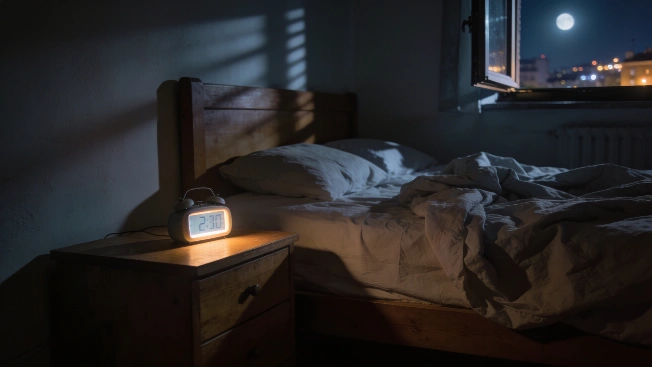
Why Some People Can’t Sleep Without a Blanket—Even in a Heatwave
If you can’t fall asleep without covering up—even when it’s sweltering—your brain and body may be sending signals about comfort, anxiety, and sleep rituals that go deeper than temperature alone

How to Talk to Kids When They Ask Why Some People Aren’t Happy
When a child notices that even people with 'everything' can feel unhappy, parents face tough questions about emotions, unmet needs, and what happiness really means in daily life
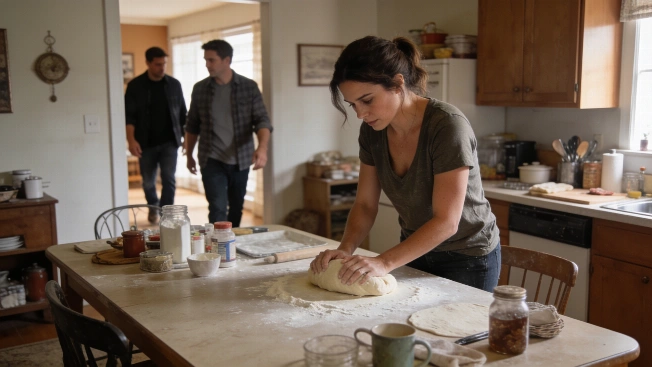
Recurring Nightmares of Violence and Exposure Signal Deeper Stress
A woman’s vivid dream of battle, blood, and public vulnerability reveals how the mind processes emotional threats and hidden anxieties during sleep
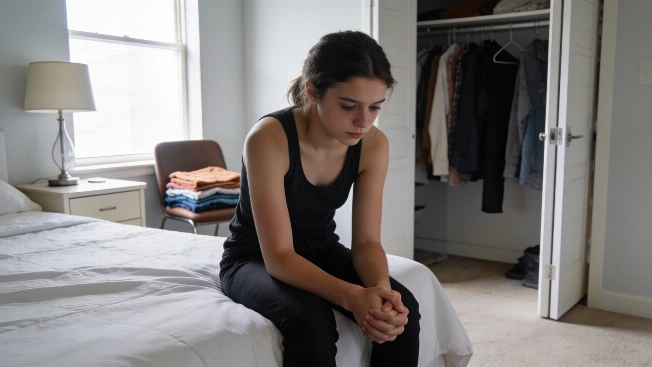
When Fear of Pregnancy Without Sex Disrupts Daily Life
Some young women develop an intense fear of becoming pregnant from casual contact or shared objects, leading to compulsive behaviors and social withdrawal

Emotional Blocks That Sabotage Your Life: How Image-Based Therapy Works
Chronic emotional states can quietly undermine your choices, relationships, and career. Image-based therapy targets the root of these patterns by working with your inner world, not just your thoughts
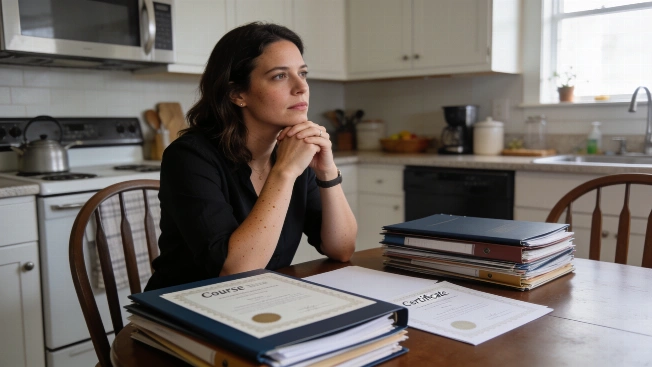
When Imposter Syndrome Turns Therapists Into Perpetual Students
Many therapists with imposter syndrome keep enrolling in new courses, draining finances and delaying real practice, hoping the next certificate will finally bring confidence

How Rigid Therapy Plans Can Stall Progress in Anxiety and Depression
Many therapy clients get stuck when treatment follows a rigid step-by-step plan. Barriers often appear at key stages, especially when old beliefs or lack of resources block progress toward real change

When Dark Thoughts About Loved Ones Won’t Go Away
Obsessive, distressing thoughts about harm can feel impossible to control. Learn why these thoughts appear, what they mean, and how to regain emotional balance

When Labels Lie: How Misreading Life’s Signs Fuels Emotional Distress
Mislabeling events or people can distort your reactions and fuel anxiety, stress, or even depression—especially when you stop questioning the story behind the label

5 Phrases That Quiet Self-Doubt After Failure, According to a Behavior Expert
Negative self-talk after setbacks can erode motivation and confidence fast

Swollen Hands or Just Anxiety? When Body Sensations Trigger Health Panic
If your rings feel tight or your socks leave marks, is it swelling or anxiety at work