
If you can’t fall asleep without covering up—even when it’s sweltering—your brain and body may be sending signals about comfort, anxiety, and sleep rituals that go deeper than temperature alone
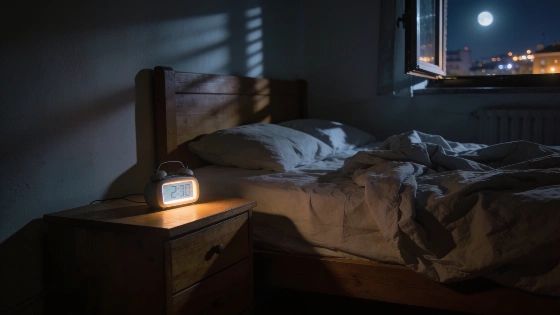
It’s the middle of a summer heatwave. The air is thick, the fan is on high, and your sheets feel sticky. Still, you can’t drift off unless you pull a blanket or sheet over your body. If this sounds familiar, you’re not alone—and the reason isn’t just about feeling cold. For many, the urge to sleep covered up is a complex mix of psychological comfort and physical habit, not a quirk or weakness.
Sleep specialists say that for a large share of adults, pulling up a blanket acts as a mental switch. The brain recognizes the sensation as a cue that it’s time to sleep. This need for “envelopment” is both psychological and physical, offering a sense of safety that can override discomfort from heat. The tension isn’t just between hot and cold, but between the body’s need to cool down and the mind’s craving for a cocoon.
Childhood Habits, Adult Patterns
Psychologists have long studied the idea of the “transitional object”—the childhood blanket or stuffed animal that helps kids manage separation and vulnerability. For many adults, the nighttime blanket still serves as a symbolic safe zone. The feeling of fabric against skin can quiet internal alarms, even when logic says it’s too warm for extra layers. Research shows that pre-sleep rituals and objects remain common in adulthood, especially among those who experience anxiety or stress. Using a blanket in summer isn’t a sign of fragility; it’s a learned self-soothing behavior that can be more calming than the physical sensation of cool air.
Some studies suggest that these rituals are linked to lower stress and better sleep quality, though the effect varies. The act of covering up can help regulate emotional states, not just body temperature. According to Psytheater.com, these patterns are part of a broader set of sleep behaviors that persist well into adulthood.
Body Signals and Sleep Science
Over time, the brain forms a strong association between being covered and falling asleep. Meanwhile, the body’s internal clock, managed by the hypothalamus, lowers core temperature to prepare for rest. Sleep experts recommend keeping bedrooms cool—ideally around 65°F to 68°F (18°C to 20°C)—to support this process. But here’s the paradox: while the body wants coolness, the mind still seeks the comfort of a blanket.
Weighted blankets, which provide gentle, even pressure, have been studied for their calming effects on the nervous system. This “deep pressure stimulation” can activate the parasympathetic nervous system, slowing heart rate and promoting relaxation. While research is ongoing and not all claims are proven, some adults with anxiety or insomnia report that a heavier blanket helps them unwind, as long as it’s not too hot or heavy for their body size.
Adapting Without Overheating
The good news: you don’t have to give up your blanket habit to sleep well in summer. Sleep doctors suggest swapping thick comforters for lightweight cotton or linen sheets, choosing breathable fabrics, and airing out your bedroom late in the evening. Even a single thin sheet can provide the “symbolic layer” your brain craves. Some people find relief by leaving a foot, leg, or arm uncovered to vent excess heat while still feeling protected elsewhere.
If it’s the pressure—not the warmth—that soothes you, a slightly heavier blanket may help, as long as it’s no more than about 10% of your body weight and you don’t have sleep apnea or breathing issues. For those whose sleep is still disrupted by heat, practical cooling strategies can make a difference. For example, using a fan, keeping blinds closed during the day, or trying simple tricks like those described in this guide to cooling your bedroom without AC can help you stay comfortable without sacrificing your sense of security.
If you find that you can’t sleep at all without a blanket, or if anxiety spikes when you try to go without, it may be worth discussing with a sleep specialist. The goal isn’t to eliminate the need for comfort, but to find a balance that respects both your psychological needs and your body’s signals.
Recent surveys show that nearly 60% of American adults report using some form of covering year-round, regardless of temperature. The National Sleep Foundation notes that sleep rituals—like pulling up a sheet or blanket—are among the most persistent bedtime habits, often outlasting changes in environment or routine. As research into sleep hygiene and anxiety management grows, experts continue to explore how these small behaviors shape our nightly rest and overall well-being.