A four-year-old’s panic at the sight of cars blocks her from crossing the street and disrupts her sleep. When comfort and logic fail, parents face a stubborn fear that won’t budge.
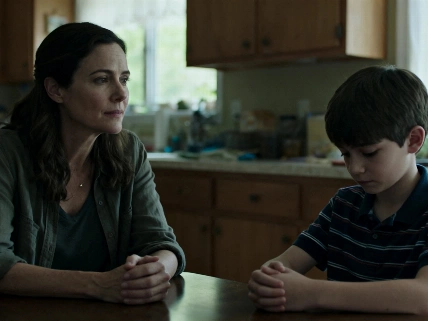
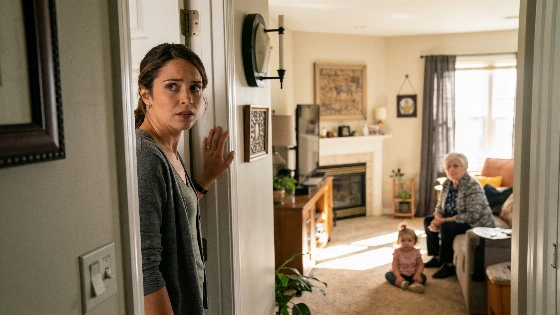
On a city sidewalk, a mother braces herself as her daughter locks up at the curb. The four-year-old’s terror of cars isn’t a passing phase. She clings, freezes, and sometimes refuses to take another step. At night, the fear follows her home. “Scary cars” haunt her dreams, leaving both mother and child worn out by morning.
No crash, no close call, no dramatic scene explains this panic. Earlier, the girl worried about darkness and monsters, but those faded with time and gentle words. This time, nothing in the usual parental playbook—reasoning, soothing, or playful distraction—has worked.
For a diagnosis of a specific phobia in children, symptoms must persist for at least six months and cause significant disruption to daily life.
At four, a child’s imagination runs wild, but her sense of real danger is still shaky. Psychologists say the threat feels immediate, no matter how many times adults insist cars are safe. Telling a child “cars aren’t scary” rarely lands. The fear is physical and overwhelming. Push too hard, and the child may dig in deeper, convinced adults just don’t get it.
Experts urge parents to slow down and meet the fear head-on. Start by naming it without judgment: “I see you’re scared. I’m here.” Then, introduce cars from a safe distance. Watch traffic through a window. Play with toy cars. Stand together and notice how cars stop at red lights. Only after many calm moments should you try moving closer to the street. The aim isn’t to force courage, but to help the child build new, safe memories—one step at a time.
When fear blocks daily life—making walks impossible or filling nights with bad dreams—it’s time to call in a professional. Child psychologists use play-based therapy to help kids face and master their fears, often working with parents as partners. As earlier reporting shows, family support shapes how children weather emotional storms, whether the trigger is loneliness, anxiety, or a specific phobia.
Cognitive-behavioral therapy with gradual, controlled exposure is considered the gold standard for treating specific phobias in children. For preschoolers, these methods are adapted to their age, often using play therapy and involving parents in the process.
One stubborn fear can upend a family’s daily rhythm. Parents often feel powerless when comfort and logic fall flat. Avoiding the trigger or pushing a child through panic rarely helps. The real work is slow and uncomfortable—sitting with distress, validating it, and helping the child build new associations at her own pace. When fear starts running the show, reaching out for help is a practical step.
Specific phobias in children show up more often than many parents expect. These intense fears can fixate on animals, darkness, storms, or—as here—cars and traffic. Most kids outgrow them with support and time, but some need targeted help. Play therapy, gradual exposure, and parent coaching remain the most effective tools. Early intervention can keep a passing fear from turning into a lifelong roadblock.