A young woman faces relentless pressure from her husband to terminate a second pregnancy she wants to keep. A clinical psychologist explains the emotional fallout and what it takes to navigate this standoff
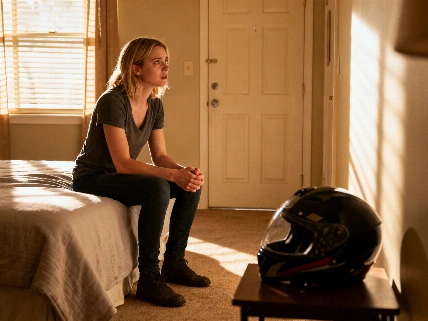
He lays down the law. She pushes back. Days after learning she is pregnant again, a 21-year-old woman faces a hard line from her husband. He wants an abortion. She wants the baby. The fight is immediate. Her body, her future, his fear, their marriage—all at risk.
Why does a partner push so hard for a choice that is not theirs? Clinical psychologist Victoria Ivannikova says there is no single answer. For many men, a second unplanned pregnancy brings panic. Money worries. Feeling overwhelmed. The weight of new responsibility. But when one partner tries to take control, the fight stops being about logistics. It becomes a struggle over power and trust.
The World Health Organization recognizes forced or coerced abortion as a form of reproductive violence, and international human rights materials highlight that pressuring a pregnant partner falls within the context of intimate partner violence.
This woman has made up her mind. She wants the child. She is ready to raise it, even if her husband resists. But he will not talk. He ignores her view. He repeats his demand. The couple is not talking anymore. They are stuck in a silent standoff.
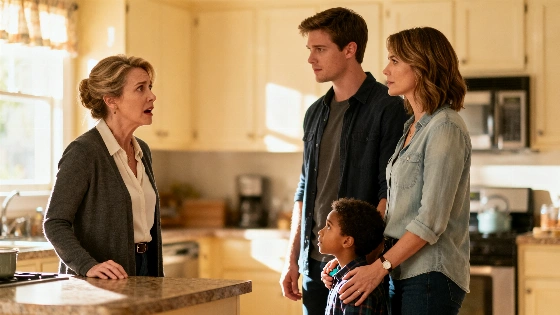
Ivannikova says patience matters, but not silence. She urges the woman to keep the door open. Ask him calmly what scares him. Is it money? Is it the thought of two kids? Is he afraid of losing control? Only by naming these fears can they start to tackle them together. They need to act as a team, not as enemies.
Sometimes, shock freezes a partner. Time and space can help. So can practical steps. If money is the problem, look for ways to save or earn more. If childcare feels too much, ask family for help or look into hiring someone. The point is not to erase his worries. It is to show that answers exist—if both are willing to try.
In the United Kingdom, a 2026 government report on abortion law amendments documented 26 criminal prosecutions related to abortion between 2017 and 2024, with 10 resulting in convictions. This underscores that issues of coercion and consent remain under active legal scrutiny.
But what if he will not move? Here, the psychologist is clear. The woman must decide what future she can live with. If there is no way to meet in the middle, she needs to plan her next steps. That means thinking through her options—emotionally, financially, and in daily life. Writing down possible outcomes can help her see what she can accept and what she cannot.
Some couples cannot break the deadlock alone. Outside help can change things. A good family therapist can guide the talk. Both sides get heard. Blame takes a back seat. As reported earlier, family pressure and emotional coercion around pregnancy can leave deep scars if ignored.
This story is not just about a clash of opinions. The burden is not equal. The woman carries the pregnancy. She feels the weight, but is told to give in. That is not partnership. It is a fight for autonomy. In moments like this, the real work is not about winning. It is about holding on to the right to choose for yourself. The way forward is tough. But clarity, courage, and support—professional or not—are essential. When a relationship turns into a fight over basic rights, only honest reckoning can break the deadlock. Silence will not fix it.
Family therapy gives couples a safe place to face hard issues. It is not like advice from friends. A trained therapist helps partners see the roots of their fears, break bad habits, and rebuild trust. Not every marriage survives this kind of crisis. But couples who talk honestly often come out stronger. Therapy is not a cure-all. For many, it is the first real step toward healing.
Reproductive coercion is getting more attention worldwide. In the United States, a congressional statement marking 50 years of abortion law debates called for federal penalties for giving abortion medication without a woman's informed consent. It also pushed for stronger protections against coercion and abuse. According to a 2025 official statement from Rep. Simpson, these steps are seen as key to protecting women's autonomy and well-being.