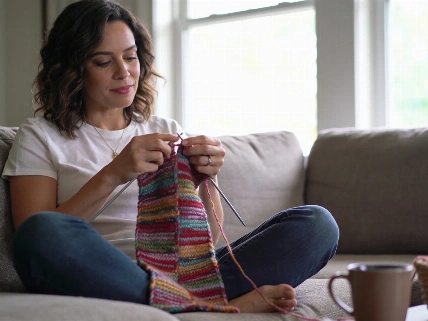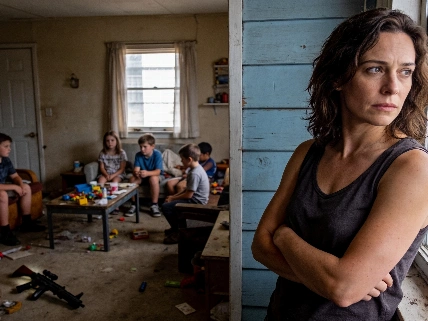

A woman finds herself financially dependent on a partner who dictates her choices and erodes her self-worth. A psychotherapist explains why this dynamic is so damaging and what it takes to break free
The shift is subtle at first. One day, your partner covers the bills. Soon, you notice the cost is your freedom. He picks your meals. He tells you when to sleep. He decides who you see and what you wear. The jokes sting. The orders hurt more. This isn’t care. It’s control.
Money changes the rules. For many women, support turns into something else when finances get involved. Security can hide slow loss of boundaries. When a partner uses money to shame or dominate, the relationship stops feeling safe. It becomes a grind. Anxiety and shame creep in. Doubt grows. It touches every part of life.
Nearly 99% of domestic abuse cases involve some form of financial control, making it one of the most pervasive but least recognized aspects of intimate partner violence.
Why stay when it hurts? Clinical experts say the answer often goes back years. Childhood matters. If you grew up where respect was rare or boundaries didn’t exist, you might accept mistreatment later. Homes with emotional or verbal abuse set the pattern. As an adult, you may not even notice when it repeats. The pain feels familiar.
Financial dependence is about more than cash. It’s about power. When one person controls the money, the other can feel stuck. Leaving seems impossible. Fear of losing stability, or just fear of being alone, keeps people in place. As reported earlier, breaking out of toxic cycles takes more than willpower. It means facing the past. It means daring to change your story.
Coercive control is officially recognized as a repeated pattern of abusive behavior that strips a person of freedom and independence. Key indicators include financial control, restricting access to money, limiting purchases, and preventing employment.
Therapists warn: emotional abuse is real. It can be as damaging as physical violence. The wounds are hidden, but the harm runs deep. Over time, constant criticism and control wear down self-esteem. Leaving gets harder. The first step is seeing the truth. This is not normal, no matter how much money is offered. Next, reach out. Therapy, support groups, or trusted friends can help you break the hold. You can get your life back.
Staying doesn’t mean you’re weak. It means old pain still shapes your choices. But you can break the pattern. With help, you can build a life where respect is steady and love has no strings. Start now. The sooner you move, the sooner you leave survival mode behind. You can live by your own values. Not someone else’s rules.
Emotional abuse hides in daily life. It slips into routines and roles. Unlike physical violence, it’s hard to spot. But the signs are there: stress, anxiety, shrinking confidence. Therapy helps. Psychodynamic and trauma-informed care can trace these patterns back to their roots. They show a way out. Recovery takes time. But every step toward self-respect is a step away from harm. That matters.
In the United States, public health authorities define domestic violence as a pattern of behaviors used to gain power and control over a partner. This includes not just physical violence, but also financial control, isolation, emotional abuse, and surveillance. According to a 2024 report from Wisconsin DHS, intimate partner violence played a role in at least 22.9% of all homicides in the state and in 53.7% of homicides involving women. These numbers show the real danger of coercive and controlling behavior, especially when tied to money.