
Knitting is more than a hobby for restless hands. Research shows it can lower anxiety, boost self-worth, and even help break bad habits by engaging the senses and focusing the mind
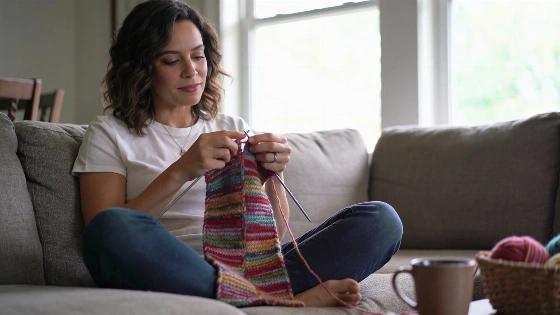
Some people reach for their phone or snacks when anxiety hits. Others pick up knitting needles. For a growing number of Americans, knitting is more than a way to pass time. It’s a tool for clearing the mind and regaining control. The steady rhythm of yarn and needles can cut through mental noise. This isn’t just nostalgia. Knitting is getting new respect as a way to quiet anxious thoughts and build self-respect.
Why does knitting work so well for anxiety? It’s simple. The hands stay busy. The mind focuses on each stitch. There’s no room for spiraling worries. Counting stitches or following a pattern keeps you anchored in the present. The repetition is soothing. Clinical reports show that this kind of focus can lower heart rate and blood pressure. The body relaxes. The mind follows.
In clinical settings, knitting and crochet are used as low-risk, structured activities that help reduce isolation and support daily routines for people in psychosocial rehabilitation programs.
Knitting’s benefits go beyond stress relief. Hospitals use it in programs for people with depression or addiction. It gives restless hands something healthy to do. When you’re working with yarn, you’re less likely to reach for cigarettes, snacks, or your phone. The act of making something creates a rare sense of calm. Life slows down for a moment. That matters.
Building self-worth
Finishing a scarf or sweater brings quiet pride. Especially if it’s a gift. Each piece shows patience and effort. It’s proof you can make something real. For the person who receives it, a knitted gift carries hours of care. For the knitter, it’s a stand against fast fashion and throwaway culture.
Knitting for yourself works too. The result is unique. It doesn’t look like anything from a store. In a world obsessed with speed, making your own clothes feels bold. The boost to self-esteem lasts. It comes from skill and creativity, not just a quick win.
The Cambridgeshire and Peterborough NHS Foundation Trust integrates craft rooms and arts therapies into structured programs for individuals with severe emotional difficulties, highlighting the role of creative activities like knitting as part of a broader evidence-based recovery model.
Soothing anxiety through the senses
Knitting is a full-body experience. The yarn feels soft. Needles click gently. Sometimes you catch the scent of wool. All of it grounds you in the moment. Watching your project grow row by row teaches patience. It brings order to a messy day. Mistakes? You can unravel and try again. Nothing is final.
This surprises people who fear failure. There’s no ruined project. Every error is a chance to start over. That kind of safety is rare for adults. It’s one reason knitting helps with deep anxiety.
Creativity and connection
Knitting isn’t stuck at home. People knit in coffee shops, waiting rooms, and on the train. It keeps your hands busy without hiding behind a screen. The craft has sparked a lively community. Age and background don’t matter. Sharing patterns and stories brings people together. New friendships start here.
The social side matters. As reported earlier, small acts of connection—like gratitude or shared hobbies—can lift your mood. Knitting circles and workshops are popping up everywhere. Beginners find help. Experienced knitters pass on their skills. It’s easier than ever to join in.
Learning to knit isn’t lonely or hard anymore. Online videos, local yarn shops, and group classes welcome anyone. The basics come fast. As your hands get steadier, your confidence grows. Soon, even tricky patterns seem possible. Wearing something you made says it all. You did this. You shaped your own experience.
Knitting’s comeback isn’t a fad. Its power to calm, build self-worth, and connect people is real. The science backs it up. In a world that prizes busyness, knitting slows things down. That’s radical. When you knit, you’re not just filling time. You’re taking charge of your thoughts and habits. You’re building yourself up.
Therapists call it “tricotherapy.” More mental health professionals are using knitting to help with anxiety and depression. The steady motion and feel of the yarn can calm the nervous system. The creative process builds emotional strength. Knitting is cheap, flexible, and easy to start. For people who want a hands-on way to feel better, it’s worth a try.
Recent reviews, including a 2026 feature by The Independent, show that the rhythm of knitting and purling links to lower blood pressure and cortisol. UCLA research found fewer symptoms of depression and anxiety in knitters. These results support knitting as a real mental health tool. Experts say it works best as part of a bigger treatment plan, not alone. For more, see the 2026 Independent review.