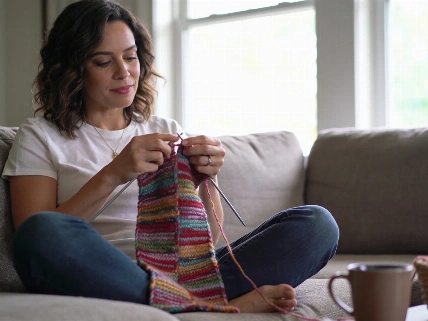

Young women often feel lost and inadequate when family and friends push marriage and motherhood before they're ready. The pressure to settle down can be relentless.
Scroll through your feed. Another engagement. Another baby photo. For women in their mid-twenties, the push to marry and have kids is everywhere. It comes from parents, relatives, and sometimes from inside your own head. The feeling? Like you missed a train everyone else caught.
This isn’t just about being single. It’s about feeling out of step with people you grew up with. Classmates and cousins hit milestones you haven’t. The message is loud: by 25, you should have found your person, settled down, maybe had a child. If your life doesn’t match, you start to wonder if you’re failing.
In Japan, the share of men aged 18–34 who say they will 'never marry' has reached a record 24%, while for women it is 21.5%.
But the truth is messier. Psytheater.com points out that comparing yourself to others is normal, but it rarely helps you figure out what you want. It just feeds anxiety and doubt. The more you focus on what you “should” be doing, the less energy you have to decide what matters to you.
Social pressure and self-doubt
Family often means well. They want to see you happy, married, with kids. But their advice comes from their own lives. What worked for them might not fit yours. The world changed. Expectations didn’t. The old timeline for adulthood is gone, but the weight of those expectations sticks around.
For some, the fear isn’t just missing out. It’s about not measuring up. If you’ve never had a serious relationship, you might wonder if you’re unlovable or boring. These thoughts can trap you. They make it harder to connect or take chances in dating.
In South Korea, the average age at first marriage reached 34 for men and 31.6 for women in 2025, a significant increase from 27.8 and 24.8 in 1990, reflecting a global trend toward later marriages.
Not having a partner at 25 says nothing about your ability to love. It’s just a moment in time. The real question: Are you living in a way that feels right for you?
Unpacking the fear
Many women who feel stuck talk about wanting connection but fearing they’ll disappoint someone. They want family, but worry marriage means losing themselves or repeating old mistakes. These fears are real. Maybe you saw a parent’s unhappy marriage. Maybe a friend’s divorce left a mark. Sometimes, it’s not about relationships at all. It’s about pressure to be perfect—the perfect partner, daughter, woman.
Therapists suggest tuning out the noise. Ask yourself: What would make you feel lucky or happy right now, if you stopped comparing? The answer is almost never a copy of someone else’s life.
Finding your own path
It’s easy to chase milestones just to quiet the anxiety. But living for other people’s expectations leads to regret. The real work is figuring out your own needs and values. What kind of relationships do you want? What does family mean to you? Where do your fears come from? Are they still useful?
Start by noticing where you already have real connections—with friends, siblings, coworkers. These count. They show you can belong, even without a romantic partner.
If fear keeps you stuck, look at the stories you tell yourself about marriage and family. Are they yours, or did you pick them up from others? Untangling this takes time. But it’s the only way to build a life that feels like yours.
Family pressure and constant comparison can blur what matters. But there’s no single timeline for love or family. The only real mistake is losing your own voice in the rush to meet someone else’s plan. Your worth isn’t tied to your relationship status. The path to a good life isn’t straight. It’s never the same for everyone. For more on how loneliness and family pressure shape choices, see this related story.
Emotionally focused therapy and schema therapy can help untangle the beliefs and fears that keep people stuck. Emotionally focused therapy builds secure attachments and helps you understand your emotional needs in relationships. Schema therapy looks at deep patterns that may have started in childhood or adolescence. Both offer tools for self-awareness and resilience, especially if you struggle with family expectations or comparing yourself to others.