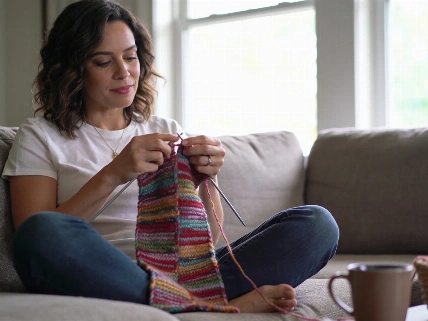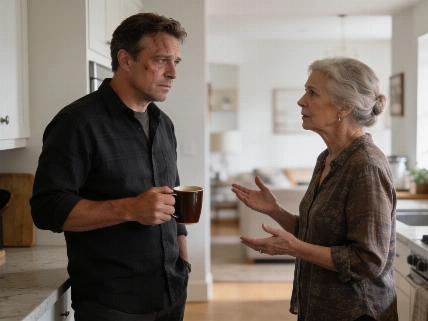
A woman finds herself unable to step outside during daylight and trapped in a cycle of isolation and binge-watching. Psychologists break down the roots of avoidance and offer real strategies for reclaiming daily life
Emily, 36, hasn’t seen the sun in weeks. She waits for dusk before even thinking about stepping outside. The thought of daylight sends her heart racing and her breath short. Her apartment has become her whole world. Nights are for streaming show after show. Days slip by as she sleeps, blinds drawn tight. Nothing outside has changed, but her sense of safety has vanished.
Psychologists see this pattern often. It’s not laziness or a quirky love of the night. It’s avoidance that’s taken over, turning into a way of life. Emily’s slide began after she quit a job she never liked. She hoped for a break, maybe a new start. Instead, she drifted into late nights, endless TV, and a sleep schedule that fell apart. The more she pulled back, the harder it became to face the world beyond her door.
According to the World Health Organization, agoraphobia is classified among anxiety and fear-related disorders, and is diagnosed when persistent fear or avoidance of multiple types of situations leads to significant distress and impaired daily functioning.
Emily’s story is far from rare. Psytheater.com points out that avoidance can look like self-care, especially after a setback. At first, it feels like relief: no crowds, no noise, no pressure. But that comfort quickly turns into a trap. The brain starts to link daylight and social contact with danger. The cycle tightens. Emily’s panic at the thought of running errands in the day isn’t a quirk. It’s her nervous system stuck on high alert. Her psychiatrist diagnosed both anxiety and depression.
Trying to break out isn’t as simple as it sounds. Friends tell her to “just get a job” or “go for a run.” That advice misses the mark. Even thinking about exercise feels impossible. She knows she’s eating for comfort and her sleep is a mess, but brushing these off as harmless quirks only digs her in deeper. The real fight isn’t with what others expect. It’s with her own fear, which now calls the shots.
Breaking the avoidance cycle
Dr. Marina Eskaeva, a therapist, suggests a different path: tiny steps and brutal honesty. The first move is to stop fighting yourself. Saying out loud, “I’m scared to go outside,” isn’t weakness. It’s the start of change. Acceptance doesn’t mean giving up. It means seeing avoidance for what it is—a reflex that once protected you, but now keeps you stuck.
The American Psychiatric Association notes that for a diagnosis of agoraphobia, symptoms must typically persist for at least six months, distinguishing the disorder from short-term reluctance to leave home after stress or life changes.
Physical steps come next. Forget about gym memberships or sunrise jogs. For someone like Emily, the real challenge is as basic as standing on the balcony in daylight or opening a window for five minutes. Each small exposure helps retrain the brain. It’s a way to show the body that sunlight and the outside world aren’t threats. Every time she manages it, her nervous system gets a new message: safety is possible outside her walls.
Work needs a rethink too. Pushing for a strict office routine can backfire. Remote jobs, freelance work, or short projects let people rebuild income without setting off panic. The job market now has room for those who need time to recover. That flexibility isn’t a handout—it’s a lifeline.
Rethinking medication and support
Emily hesitates to try medication, but that’s common—and often based on a misunderstanding. Anxiety and depression aren’t character flaws. They’re shifts in brain chemistry. Medication, when prescribed and watched by a psychiatrist, can turn down the panic enough to make small steps possible. It’s not a crutch. It’s a tool, like glasses for blurry vision. The right support can mean the difference between staying stuck and moving forward.
Psychologist Dr. Svetlana Roshchina urges people to challenge catastrophic thoughts. Writing down worries, questioning if they’re realistic, and looking for other explanations can loosen anxiety’s grip. Exposure therapy—facing fears bit by bit—works best when paired with safety signals: time with loved ones, nature, gentle movement, and relaxation. These aren’t quick fixes, but they help people slowly reclaim their lives.
Isolation chips away at confidence and narrows what feels possible. It can drag down health and hope. As previous reporting shows, loneliness and avoidance hit adults as hard as teens. Getting out takes both courage and support.
Emily’s story warns against confusing avoidance with self-acceptance. The comfort of isolation is real, but so is the cost. The world outside may never feel totally safe, but it’s not as dangerous as anxiety claims. With acceptance, small steps, professional help, and medication when needed, even deep-rooted avoidance can loosen its grip. The cave of isolation will always be there, but it doesn’t have to be home.
Social anxiety and avoidance aren’t just shyness or introversion. They’re clinical patterns with real fallout. Avoidance keeps the brain’s alarm system on high, making every new attempt to connect feel riskier. Therapies like Acceptance and Commitment Therapy (ACT) and Compassion-Focused Therapy (CFT) break these cycles by mixing exposure with self-compassion and new ways of thinking. For those stuck in avoidance, working with a therapist trained in these methods can offer both structure and hope for real change.