
Social Adaptation and Social Phobia
37 articlesArticles should explain how avoidance maintains fear, how gradual exposure works, and why social confidence develops through repeated experience rather than forced extroversion. Useful content addresses school, workplace, migration, dating, friendship, and therapy options.

Struggling to Make Friends When Taking Initiative Feels Draining
Feeling isolated but exhausted by the pressure to reach out? Many adults want close friendships yet find the social effort overwhelming, leading to a cycle of loneliness and self-doubt

Letting Your Gray Hair Show May Reveal a Rare Personality Trait
Choosing to stop coloring gray hair is more than a style decision. Experts say it often signals a rare psychological profile—one that resists social pressure and values authenticity over image

When Your Mom Won’t Let You Date at 21: How to Set Boundaries
Two sisters in their early 20s still live at home and face strict parental rules about dating. A psychologist explains how to start separating from parents and build adult independence

When Every Workplace Feels Hostile: How to Break the Cycle of Bullying
Repeated criticism, exclusion, and subtle aggression at work can leave you feeling isolated and powerless. A psychiatrist explains why these patterns persist and what steps can help disrupt them

How Repeating 'I' Can Help Rebuild a Stable Sense of Self
Many adults with anxiety or identity struggles find relief by consciously using 'I' statements to anchor daily actions and reduce inner chaos
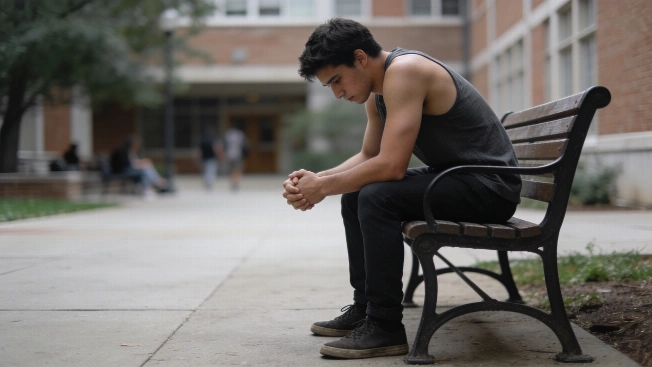
After Job Loss, Social Withdrawal and Fear of Rejection Take Hold
A young woman describes how being fired led to isolation, anxiety around others, and a struggle to reconnect with friends and work life
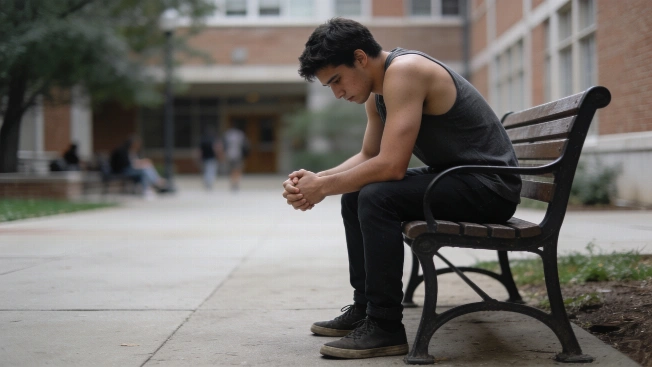
Bullied and Alone: How Chronic Exclusion Destroys Self-Respect
A 20-year-old describes years of bullying, isolation, and discrimination. A conflict resolution expert explains how to rebuild self-worth and find support when you feel powerless

Stuck at Small Talk? 4 Questions That Turn Acquaintances Into Friends
Many adults feel trapped in surface-level conversations, unsure how to build real friendships. These four questions, based on a decade of research, help you move past polite chit-chat and test for genuine connection

How Unconscious Imitation Shapes Behavior at Work and Home
People often mirror those around them without realizing it, especially in new groups. This hidden process can affect relationships, job satisfaction, and even family dynamics

Living With Parents Who Constantly Criticize: How to Break Free
Adults who remain financially dependent on harshly critical parents often struggle with self-doubt, stalled careers, and emotional paralysis—leaving many desperate for a way out

Schizoid Personality: Why Therapy Feels Impossible for Some Clients
Schizoid personality disorder is often mistaken for schizophrenia, but the reality is different. Learn why therapy with these clients is slow, subtle, and shaped by deep-rooted fears of closeness

If You Prefer Staying In, Your Brain May Work Differently Than Most
People who avoid social gatherings are often labeled antisocial, but new research suggests a link between solitude and higher intelligence. The real story is more complex than the stereotypes suggest

10 Subtle Habits That Make People Instantly Likable
Some people put others at ease the moment they walk in. Research shows their likability isn’t magic—it’s a set of small, learnable behaviors that shape first impressions and social comfort

Forgetting Names Instantly After Meeting Someone Is Normal
If you blank on a new acquaintance’s name seconds after an introduction, you’re not alone. Neuroscience shows this common memory lapse is about how the brain encodes information, not a sign of disrespect or cognitive decline

People With Big Social Circles Are Trusted More - But the Reason May Surprise
New research challenges the idea that having many friends means shallow ties. Instead, our brains may be wired to trust and cooperate more as our social networks grow, shifting how we judge reliability in others

Are You Truly Included or Just Tolerated by Your Friends and Social Circles
Feeling left out even when you’re invited? Subtle patterns in group chats, gatherings, and daily interactions may reveal if you’re really part of the group

Half of Americans Plan to Watch the World Cup—What Drives the Obsession
As the 2026 World Cup kicks off, millions in the U.S. feel compelled to tune in—despite controversy, cost, and social tension. What’s behind this powerful pull

How to Break the Ice With a Mysterious Classmate When You Feel Drawn In
A high schooler feels a strong pull toward a quiet, unpredictable peer but struggles to start a real conversation or move past surface-level contact

Struggling to Be Yourself at Work or Home Is More Common Than You Think
Many adults feel unable to show their true selves in daily life, facing pressure to fit in at work, with family, or online—often at a real emotional cost

Instant Message Replies May Reveal a Surprising Personality Trait
If you always text back right away, your habits might signal more than politeness

The Subtle Shopping Cart Habit That Signals High Social Intelligence in Stores
A small gesture with your cart in crowded aisles may reveal more about your social awareness than you think

What Your Habit of Thanking Drivers at Crosswalks Reveals About You
A simple thank you at a crosswalk can signal empathy, emotional intelligence, and social awareness

When Friendship Feels Like Pity: Living With a Diagnosis That Shapes Your Social Life
Many adults discover their friendships are shaped by illness, not true connection

How to Stop Dreading Panic Attacks on Subways and Planes
Crowded trains and packed flights can trigger panic and shame—here’s how to break the cycle
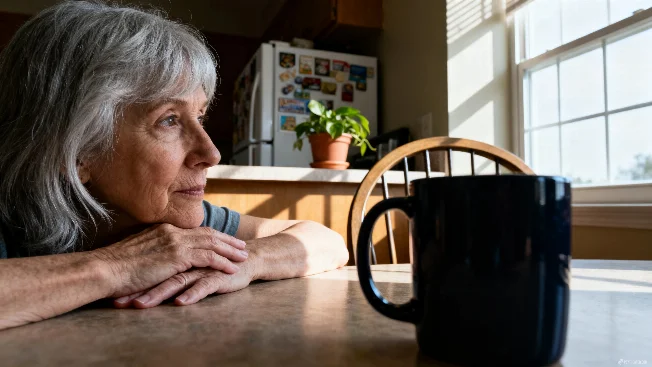
Retirement After 62: The Hidden Social Shock That Leaves Many Seniors Isolated
Many retirees are blindsided by how quickly their social circles shrink after leaving work

How to Stop Letting Other People’s Opinions Control Your Life
Struggling with shyness and fear of judgment can keep you from living freely

10 Signs School Made You Feel Like an Outsider—and How It Still Shapes Your Adult Life
If you never felt like you belonged at school, those old wounds may still affect your relationships, work, and self-worth as an adult.

Emotional Whiplash: When Mood Swings, Isolation, and Burnout Collide at Work
A young woman’s struggle with mood swings, self-harm, and burnout highlights the need for expert help
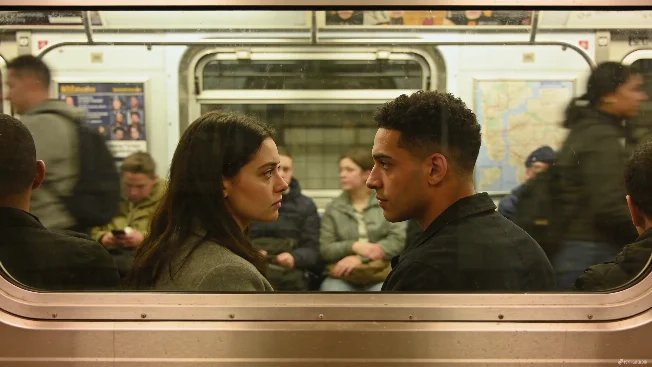
Why Eye Contact With Strangers Feels So Uncomfortable, According to Science
Most people can only hold a stranger’s gaze for a few seconds—here’s what’s happening in your brain

Blocked After Reaching Out Online? What It Means When Strangers Shut You Down
Getting blocked after a simple message can sting—here’s what’s really behind it
Page 1 by 2