
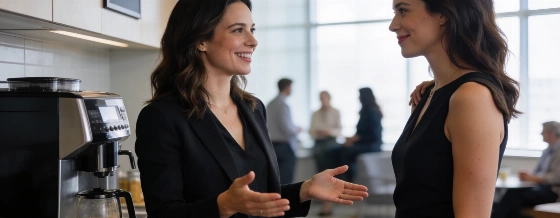
Some people put others at ease the moment they walk in. Research shows their likability isn’t magic—it’s a set of small, learnable behaviors that shape first impressions and social comfort
Everyone knows someone who can walk into a room and, within seconds, make the air feel lighter. Shoulders drop, conversations restart, and people seem to breathe easier. These naturally likable people aren’t born with a secret gift. Instead, they rely on a series of micro-behaviors—often so subtle you’d miss them if you weren’t looking.
According to Cottonwood Psychology, likability is less about innate charm and more about practiced habits. Even those who consider themselves shy can learn these skills. BusinessAM, referencing Travis Bradberry’s work on emotional intelligence, notes that most people form an opinion of you in just eight seconds. That’s why understanding these ten behaviors matters—especially if you want to connect without feeling fake or forced.
The first move is always warmth. Likable people send out a signal of safety before they say a word. It’s in the relaxed smile, the gentle greeting, the slight nod as they pass. They put away their phone, turn their body toward you, and say something as simple as, “Glad you’re here.” Their face says, “You’re safe with me,” long before they prove their competence. This alone can lower social anxiety for everyone in the room.
Eye contact is another tool, but it’s never rigid. These people look at you when you start talking, let their gaze drift naturally, then return when you finish. The rhythm shifts with the topic—softer when emotions run high, sharper when things are light. They’ll use your name once or twice, then let it rest, avoiding the robotic repetition that can feel like a sales script.
In conversation, likable people ask a real question and then actually listen. “What’s keeping you busy lately?” or “What did you love most about that trip?”—then they go quiet. They nod, offer a soft “mm-hm,” and don’t interrupt. Their body language signals active listening. They reflect back a detail or emotion—“That sounds important to you”—which helps others feel seen and understood.
They share about themselves, but only in small, honest doses. Cottonwood Psychology calls these “true little details”—mentioning a new coffee shop they tried or a walk after dinner. It’s not about impressing; it’s about being human. Often, they follow up with, “How about you?” Their compliments are specific and easy to accept: “You explained that really well,” or “I like how you include everyone.” Sometimes, a brief handshake or touch on the arm—nothing forced—helps build trust, a point echoed by BusinessAM.
Likable people also handle awkward moments with skill. They adjust their pace and tone to match the other person, but never mimic in a way that feels fake. They respect boundaries, asking, “Do you have five minutes?” and backing off if the answer is no. If they interrupt or misspeak, they fix it quickly—acknowledging the slip, rephrasing, and moving on. This prevents awkwardness from lingering. They keep others included with questions like, “What do you think?” or “Let’s stay in touch,” and follow up in real ways. The result: people leave feeling noticed, included, and even relieved.
These habits aren’t just for extroverts or social butterflies. As recent reporting on memorable public habits shows, small, intentional behaviors can transform how others experience you—at work, with friends, or anywhere you want to build trust.
Emotional intelligence is at the heart of these patterns. It’s not about being the loudest or most entertaining person in the room. Instead, it’s the ability to read the social temperature, respond with genuine warmth, and make space for others to feel comfortable. For those who struggle with social anxiety or worry about coming off as awkward, practicing these micro-behaviors can make a real difference. Over time, they become second nature, helping you build stronger, more authentic connections in every part of life.