Most Americans walk on autopilot, lost in thought. Turning movement into a focus exercise can reveal how rarely we’re present—and why it matters for mental health
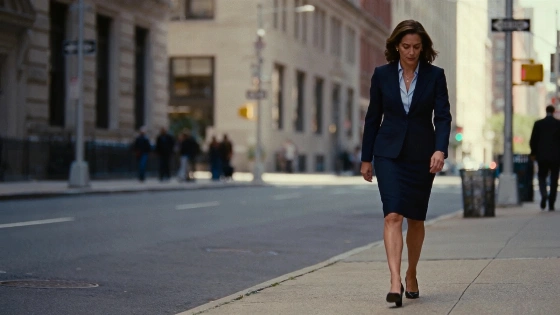
Most people in the U.S. spend hours each week walking—across parking lots, down hallways, through neighborhoods—without ever noticing the act itself. Our bodies move, but our minds are somewhere else: replaying arguments, planning dinner, worrying about work. This disconnect is so routine that we barely register it. Yet, according to Psytheater.com, the way we walk can become a powerful tool for building real-world mindfulness, not just as a wellness buzzword but as a daily practice that exposes how easily our attention slips away.
Walking meditation, sometimes called “step-by-step awareness,” flips the script on traditional mindfulness. Instead of focusing on the breath or a mantra, you anchor your attention to the physical sensations of walking: the shift of weight, the feel of your feet against the ground, the subtle rhythm of your stride. The goal isn’t to walk perfectly or to empty your mind. It’s to notice, in real time, how quickly your thoughts hijack your attention—and to gently bring your focus back to the act of moving.
This isn’t about zoning out or achieving a blissful state. In fact, most people find that their minds wander within seconds. You might start by noticing your heel touch the floor, only to realize you’ve drifted into a mental replay of yesterday’s meeting. The real work is in catching yourself, without judgment, and returning to the present moment. This micro-cycle—distraction, awareness, return—is the core of the practice. It’s not about never getting lost in thought; it’s about building the muscle to notice and reset.
What surprises many is just how mechanical daily movement becomes. During walking meditation, people often realize they’ve spent years moving through life on autopilot, barely aware of their own bodies. The mind’s tendency to escape into stories, worries, or plans becomes glaringly obvious. Even a few seconds of sustained attention can feel challenging. But this discomfort is the point: it reveals the gap between intention and habit, and it’s where real change starts.
Unlike seated meditation, walking practice doesn’t require a quiet room or special posture. Any walk—across a grocery store parking lot, down an office corridor, or around the block—can become a training ground. There’s no need to carve out extra time. The key is to periodically remember to shift your attention back to the act of walking, even if only for a few steps. Over time, this simple habit can help you spot when your mind is spiraling or when stress is building, giving you a chance to reset before anxiety takes over.
For those who struggle with health anxiety or find themselves hyper-aware of body sensations, the act of tuning into movement can be grounding. In fact, as explored in this analysis of how physical sensations can trigger anxiety spirals, learning to observe bodily experience without panic is a skill that can be strengthened through mindful walking.
Walking meditation isn’t a cure-all, but it’s a practical way to bring mindfulness out of the therapy office and into daily life. By making movement itself the anchor, you train your brain to notice when it’s drifting—and to come back, step by step, to what’s actually happening. The result isn’t instant calm, but a growing ability to spot distraction, stress, and emotional reactivity as they arise, rather than after the fact.
Mindfulness-based approaches have gained traction in clinical psychology for their role in treating anxiety, depression, and chronic stress. Unlike techniques that aim to suppress or control thoughts, mindfulness teaches people to observe their mental patterns without getting swept away. Walking meditation is one of the most accessible forms of this practice, requiring no equipment or special setting. For many, it serves as a bridge between formal meditation and the unpredictable demands of real life, offering a way to practice presence in motion, not just in stillness.