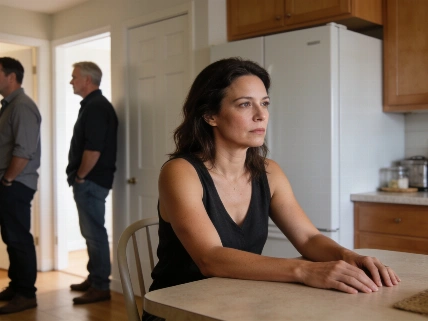


When others cross your boundaries or act disrespectfully, it’s easy to feel angry, tense, or disappointed. Here’s how to protect your mental health and respond without self-damage
It’s a common struggle: you try to set boundaries, but people ignore them. You open up, only to feel betrayed. You want to push back, but worry about being seen as rude or out of line. The result? Chronic tension, simmering anger, and a sense of disappointment that can eat away at your well-being.
According to Psytheater.com, these reactions aren’t just about what others do—they’re signals from your own internal system. Anger, for example, is a protective response. It tells you something important is under threat. When someone dismisses your boundaries, it can feel like an attack on your sense of self-worth and your need for respect.
Disappointment often comes from projecting your hopes or ideals onto others. When reality doesn’t match, especially if you grew up needing unconditional acceptance, the letdown can be sharp. If you’ve been hurt before, you may unconsciously expect betrayal, making each new slight feel like a repeat of old wounds. This cycle can leave you stuck, replaying the same emotional script and hoping for a different outcome.
Understanding Boundaries
Boundaries aren’t just about telling others what’s off-limits. There are external boundaries—rules for how people treat you—and internal boundaries, which are your own values and ability to make decisions without outside approval. If your internal boundaries are shaky, it’s harder to enforce the external ones. Failed attempts to set limits can make you feel powerless, fueling more frustration and emotional fatigue.
Suppressing anger doesn’t make it disappear. Instead, it builds up, leading to chronic stress, anxiety, and even physical symptoms. The energy you spend holding it in turns inward, sometimes resulting in apathy or health issues. Finding ways to express anger that don’t violate social norms—like channeling it into creative work or physical activity—can help release the pressure without causing harm.
Why People Disrespect Boundaries
Most of the time, someone else’s rudeness says more about them than about you. People who lash out or ignore boundaries may be struggling with low self-esteem, unresolved conflicts, or a lack of empathy. Sometimes, controlling or demeaning others is their way of coping with their own sense of helplessness. Recognizing this doesn’t excuse bad behavior, but it can help you take things less personally.
Some people simply aren’t capable of seeing your perspective. Whether due to personality traits or past trauma, they may lack the skills to relate in a healthy way. Trying to win their respect or change their behavior is usually a dead end. Instead, focus on what you can control: your own reactions and choices.
Practical Steps to Protect Yourself
Trust isn’t about handing over your emotional safety to anyone who asks. It’s a gradual process, built on mutual respect. Start small, and only open up to those who have shown they’re trustworthy. Not everyone deserves the same level of access to your inner life.
Work on strengthening your self-esteem. Your value doesn’t depend on how others treat you. Simple practices—like keeping a gratitude journal or acknowledging your own efforts—can reinforce your sense of worth. Make decisions based on your own beliefs, not out of fear of judgment or a need to please.
When you need to address someone’s behavior, use “I” statements: “I feel uncomfortable when…” instead of accusations. This reduces defensiveness and makes it more likely your message will be heard. Stand up for your rights, but do so in a way that respects others’ rights as well.
It can also help to reframe how you interpret rudeness. See it as a reflection of the other person’s struggles, not a personal attack. Imagine you’re watching a play—observe the behavior, but don’t let it dictate your mood. Direct your energy toward people who treat you with respect and invest in those relationships.
For those who find these patterns deeply rooted, working with a therapist can help uncover the origins of these emotional responses and build new, healthier ways to cope. Therapy offers a safe space to explore old wounds and redirect your energy toward growth, not self-destruction.
Learning to respond rather than react doesn’t mean becoming numb or accepting mistreatment. It means building inner stability, so you’re less shaken by others’ actions and more able to protect your own well-being. For more on breaking out of toxic cycles and protecting your boundaries, see this guide on navigating difficult workplace relationships.
Research from the American Psychological Association shows that chronic exposure to disrespectful behavior—whether at work or in personal life—can increase the risk of anxiety, depression, and even cardiovascular problems. In a 2022 survey, 38% of U.S. adults reported feeling emotionally exhausted by repeated boundary violations. These findings highlight the importance of learning to set and maintain healthy limits, not just for emotional health but for physical well-being as well.
Boundaries are a core concept in therapy and mental health care. They help define where you end and others begin, making it possible to have close relationships without losing yourself. Therapists often work with clients to identify where their boundaries have been crossed in the past and to practice new ways of asserting themselves. Over time, this can lead to greater confidence, less resentment, and more satisfying connections with others.