
Anger
7 articlesMaterials move between research briefs, definitions and therapy comparisons, especially when background knowledge changes a care decision. Recurring angles involve body cues, felt experience, background explainers and real-life complications.
Evidence quality and lived context shape how the topic is explained. Current changes, controversies and alternatives are added when they affect visitors.

How to Stop Letting Other People’s Rudeness Drain Your Energy
When others cross your boundaries or act disrespectfully, it’s easy to feel angry, tense, or disappointed. Here’s how to protect your mental health and respond without self-damage

Living With a Messy Partner: When Cleanliness Standards Clash
Constantly criticizing your partner’s messiness can erode trust and connection. Learn how to manage emotional triggers and negotiate household standards without damaging your relationship
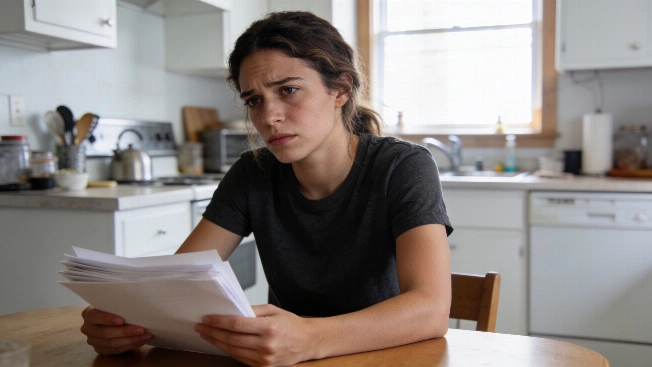
How Resentment Over an Ex’s Debt Can Poison Your Life
When a breakup leaves you paying off someone else’s loan, anger and mistrust can linger for years, affecting new relationships and your own sense of self

How Einstein and Freud Debated the Roots of Human Aggression
In 1932, Albert Einstein and Sigmund Freud exchanged letters on whether war is inevitable, exposing the psychological and political forces that drive collective violence and shape our response to aggression

When Your Husband Keeps Leaving: Coping With Emotional Abandonment
A young mother faces repeated abandonment by her husband, who demands she suppress her emotions. The cycle leaves her struggling with anger, grief, and fear of raising a child alone
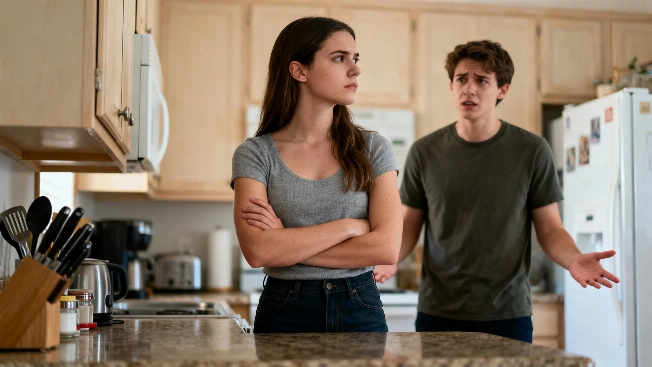
When You Start Picking Fights With Your Partner for No Clear Reason
If you find yourself nitpicking your partner’s words or motives, it may be less about them and more about old wounds, fear of being dismissed, or patterns you learned long before this relationship

When Kindness Feels Threatening: The Hidden Roots of Irritation at Care
If genuine warmth or help from others makes you tense or defensive, you’re not alone—this reaction often signals deeper emotional patterns