

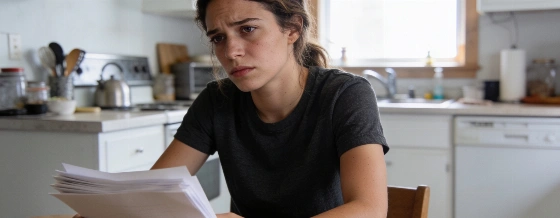
When a breakup leaves you paying off someone else’s loan, anger and mistrust can linger for years, affecting new relationships and your own sense of self
Two years after her breakup, Amanda still finds herself haunted by the fallout. She’s nearly finished paying off a loan her ex-boyfriend took out in her name—a decision she made back when trust felt easy and the future looked shared. The financial hit was brutal, but the emotional cost has been even higher. She’s moved on with a new partner, but the bitterness hasn’t faded. Instead, it’s seeped into her daily life, making her suspicious, quick to tears, and prone to anxiety over the smallest things. She blames herself for not seeing the warning signs, for wasting years, for losing money she could have used to help her family or invest in herself. The urge to see her ex suffer, or to somehow reclaim what was lost, is never far from her mind.
According to Psytheater.com, this kind of lingering resentment is more than just a bad mood—it’s a psychological trap. The debt is almost gone, but the sense of betrayal remains, keeping Amanda locked in a victim mindset. Psychologists point out that resentment often masks unprocessed anger. When you can’t express that anger directly—because it feels unsafe, pointless, or socially unacceptable—it festers, turning inward and fueling self-blame and rumination. The result: years lost not just to financial strain, but to emotional paralysis.
Letting go isn’t about pretending the harm never happened. It’s about finding a safe way to acknowledge and release the anger, without turning it against yourself. That might mean talking openly with a therapist, writing out what you wish you could say, or even channeling the energy into something productive. The key is to stop focusing on the person who wronged you and start reclaiming your own narrative. As long as your thoughts are stuck on someone else, your emotional resources are drained. Shifting your attention to your own goals—what you want to build, protect, or experience next—can help break the cycle.
It’s also worth asking what this painful experience has taught you. The lesson is expensive, but it’s real. Maybe it’s about boundaries, financial literacy, or learning to trust your instincts. Maybe it’s about recognizing red flags or valuing your own needs more highly. Whatever the takeaway, it’s yours to use. And while the specifics of Amanda’s story are unique, the pattern is not. Many people find themselves trapped in cycles of anger and mistrust after betrayal, especially when money is involved. In fact, research shows that financial infidelity—hiding debts, secret spending, or taking out loans without a partner’s knowledge—affects nearly 30% of couples in the U.S., and is a leading cause of relationship breakdowns.
For those struggling to move forward, it can help to read about others who have faced similar cycles of mistrust and control. Stories like how repeated dishonesty can trap someone in anxiety and suspicion offer perspective and remind us that recovery is possible, even if it’s slow.
Therapists emphasize that anger, when acknowledged and processed, can serve a protective function. It signals that a boundary was crossed and that something needs to change. The goal isn’t to erase the past, but to use what you’ve learned to make better choices in the future. That might mean setting stricter limits, asking more questions, or simply trusting yourself to walk away sooner next time. The experience is costly, but the knowledge gained can be invaluable.
Financial betrayal is a growing topic in therapy offices. The American Psychological Association reports that money issues are the top source of stress for Americans, with 65% citing finances as a major strain in relationships. Therapists are increasingly trained to spot the signs of financial abuse and help clients rebuild trust—not just in others, but in themselves. As awareness grows, more people are seeking support to break free from cycles of resentment and reclaim their financial and emotional independence.